

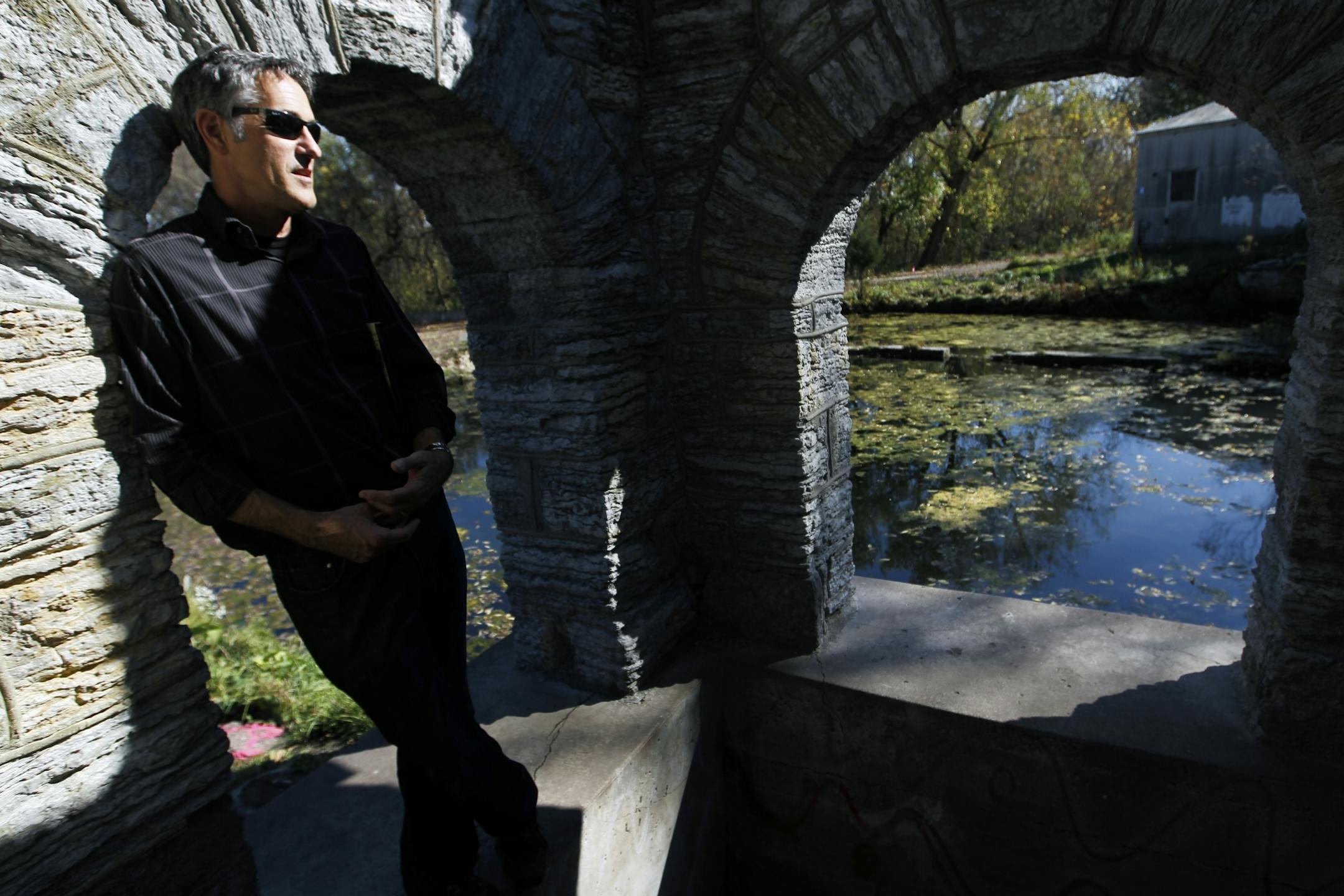
A parcel of land that's one of Minnesota's most historic sites and considered sacred to some American Indians sits littered with glass, rusting debris and trashed buildings covered with graffiti and paintball splatters.
But beginning next month, excavators and other heavy equipment will level all 12 buildings on the land between Fort Snelling and Minnehaha Park, the first step in restoring the area to create a new national park addition.
The federal property, 27 acres formerly owned by the U.S. Bureau of Mines, contains the Coldwater Spring area that was part of one of the longest protests in state history in the late 1990s. Its transfer to the National Park Service in January 2010 and planned restoration is a turning point in what has been a long and sorry decline for the property, which has been vacant, neglected and ransacked during the past 15 years.
"It's terrific that such a potentially complicated and controversial situation has resolved itself very nicely," said Whitney Clark, executive director of Friends of the Mississippi River, which advocates for the river and its shoreline.
Once the $2.2 million project is completed next fall, visitors will be able to walk and bike in the area, which sits in the midst of other park land. Indians who want to perform ceremonies at Coldwater Spring, in the middle of the property, will be welcome to do so as long as they obtain special-use permits.
Reaching a low point
Walking the property last week, Alan Robbins-Fenger pointed to the buildings that will be demolished and removed this winter, beginning in mid-November.
They once housed the U.S. Bureau of Mines, where scientists conducted world-class research on taconite, mineral extraction and mine safety issues from 1959 to 1996.


