
Rand: No refunds in baseball for big-name busts

October 7, 2014 at 11:38AM
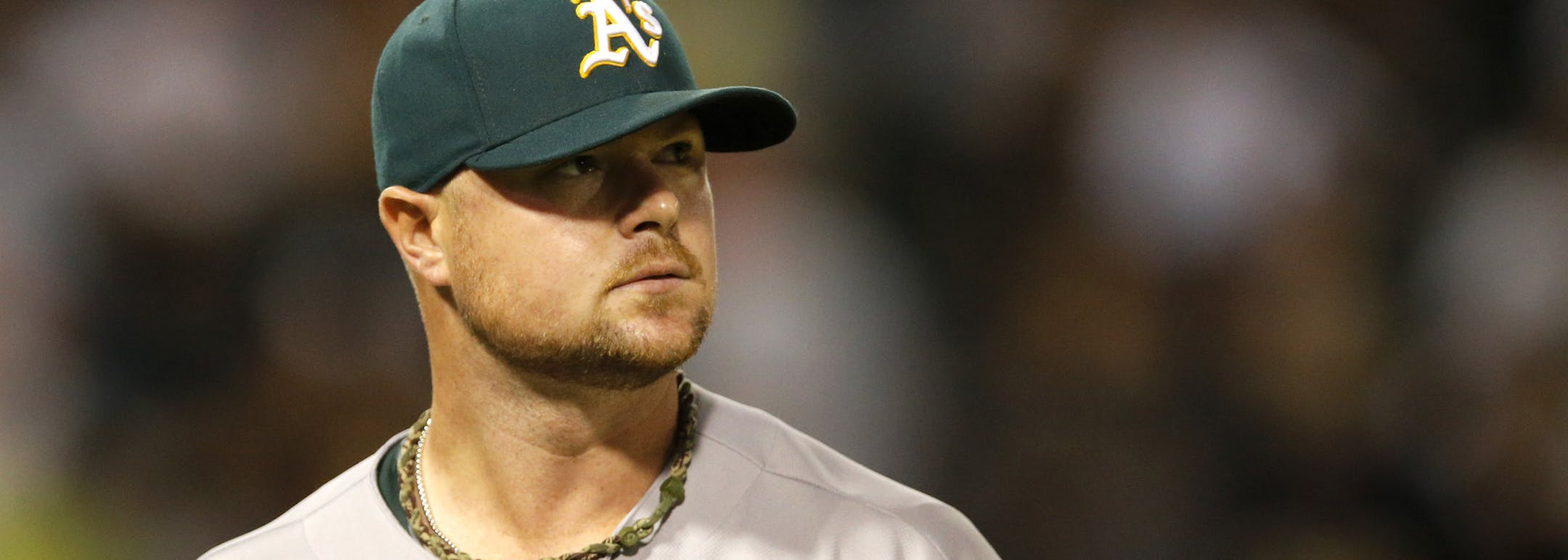
Oakland Athletics starting pitcher Jon Lester looks into the seats after the third inning of a baseball game against the Chicago White Sox, Tuesday, Sept. 9, 2014, in Chicago. (AP Photo/Charles Rex Arbogast)
Big-named acquisitions such as Jon Lester, above, and David Price did the Athletics and Tigers little good in the postseason. (The Minnesota Star Tribune)

It is said that fortune favors the bold. If you printed out that expression and mailed it to members of the Tigers and A's front offices, however, they would almost certainly crumple it up, light it on fire, or worse.

The A's, who beefed up their starting pitching for an extended playoff run, saw their top acquisition, Jon Lester, give up six runs in a wild card defeat to the Royals.

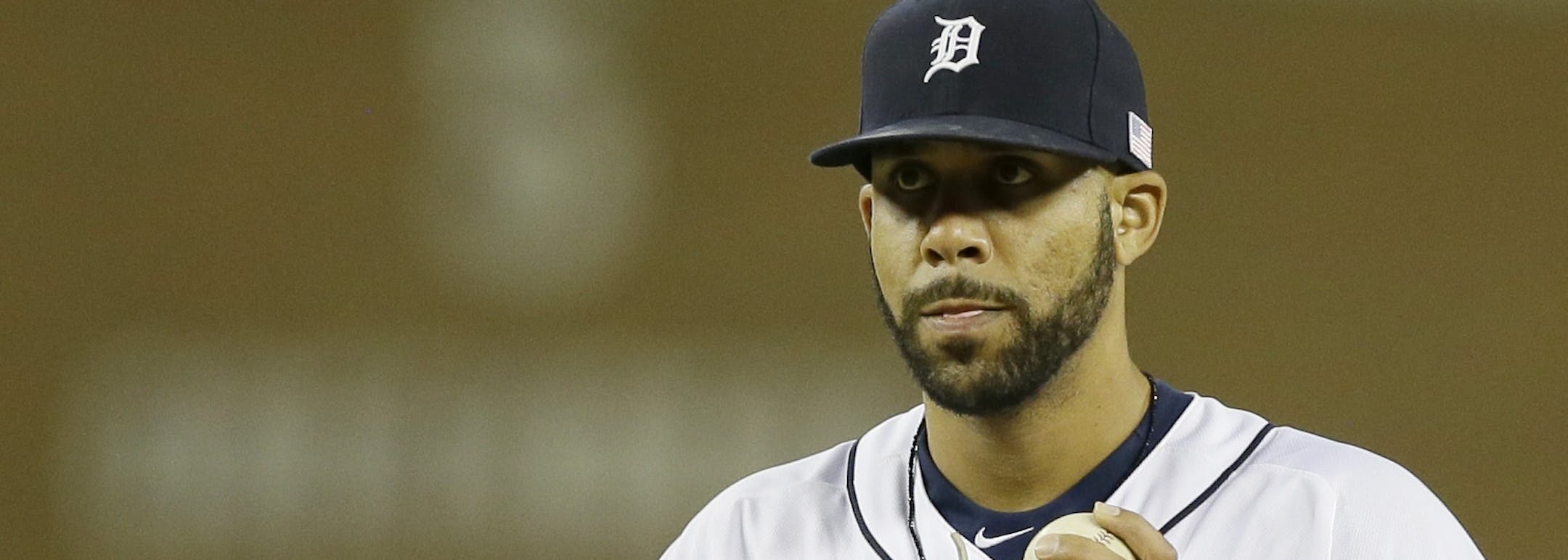
The Tigers, who seemingly have every Cy Young Award winner in history — including deadline acquisition David Price — were swept in the ALDS when none of their aces could trump the Orioles' no-names.

So the teams that many assumed would grind it out in a classic AL Championship Series for the chance to go to the World Series failed to win a playoff game. It was another reminder that big spending and bold trades guarantee nothing in baseball.

That doesn't mean being able to spend money and acquire good players has nothing to do with success. The Yankees and Red Sox spend money and (usually) win. They have increased margin for error, but they also have to make good choices. The A's have decreased margin for error and must make better choices.

That margin can show up in the playoffs; the Yankees and Red Sox have won eight of the past 18 World Series titles, while the A's haven't made it to the World Series in that span but have lost seven consecutive loser-goes-home playoff games.

Regardless, the most important factor in success isn't how much you spend, but how you spend it. Low payroll teams with cheap, young talent can thrive. High-payroll teams with bloated contracts often nose-dive.

Those are all important sentiments to remember as we head into an offseason when the Twins will be confronted with renewed questions about payroll and spending money.
ADVERTISEMENT

Minnesota's payroll was around $85 million last season — on the low end in MLB, though enough to compete if used to its full potential. The Twins' biggest problem was that they didn't have enough good young players working cheap to offset $35 million in payroll being tied up by two underachieving players (Joe Mauer and Ricky Nolasco).

The question for ownership and GM Terry Ryan is whether they think the team has enough young talent in 2015 to warrant going out and spending more money to shore up holes. Anyone can throw money at a problem and hope it works, but if you do that enough times and fail you'll wind up with less flexibility when it actually is time to contend.

Michael Rand

Detroit Tigers starting pitcher David Price is seen during the eighth inning of a baseball game against the Cleveland Indians in Detroit, Friday, Sept. 12, 2014. (AP Photo/Carlos Osorio)
David Price. (The Minnesota Star Tribune)
about the writer

about the writer

Michael Rand

Columnist / Reporter

Michael Rand is the Minnesota Star Tribune's Digital Sports Senior Writer and host/creator of the Daily Delivery podcast. In 25 years covering Minnesota sports at the Minnesota Star Tribune, he has seen just about everything (except, of course, a Vikings Super Bowl).

See Moreicon

More from Twins

See More
card image
Charlie Riedel/The Associated Press

Bailey Ober used to babysit Drake Maye at their brothers' sporting events in North Carolina.

card image
card image