If state and federal lawmakers look to economists for guidance as they contemplate raising the minimum wage, they're bound to be befuddled.
Economists have been dueling for two decades over whether the economy in general and low-wage workers in particular gain or lose when the minimum wage rises. The gain from higher wages — and consequently higher spending — by some workers exists in tension with the burden higher labor costs place on employers. The resulting tilt is a matter of dispute.
But the policy debate in Washington and St. Paul this year is not only about economics. It's also about values.
That's especially so in Minnesota, a state known for its work ethic. Minnesotans believe that work has intrinsic value that ought to be recognized with a decent paycheck. They hold that work should always pay more than idleness, and that full-time work should assure reasonable freedom from want. It should also relieve taxpayers from the need to provide workers with life's necessities.
If those Minnesota values are their guide, state and federal legislators will raise their respective minimum wages this year. President Obama has proposed taking the federal minimum from $7.25 an hour to $9 in stages through 2015. That change would apply to businesses that engage in interstate commerce or have annual revenues in excess of $500,000.
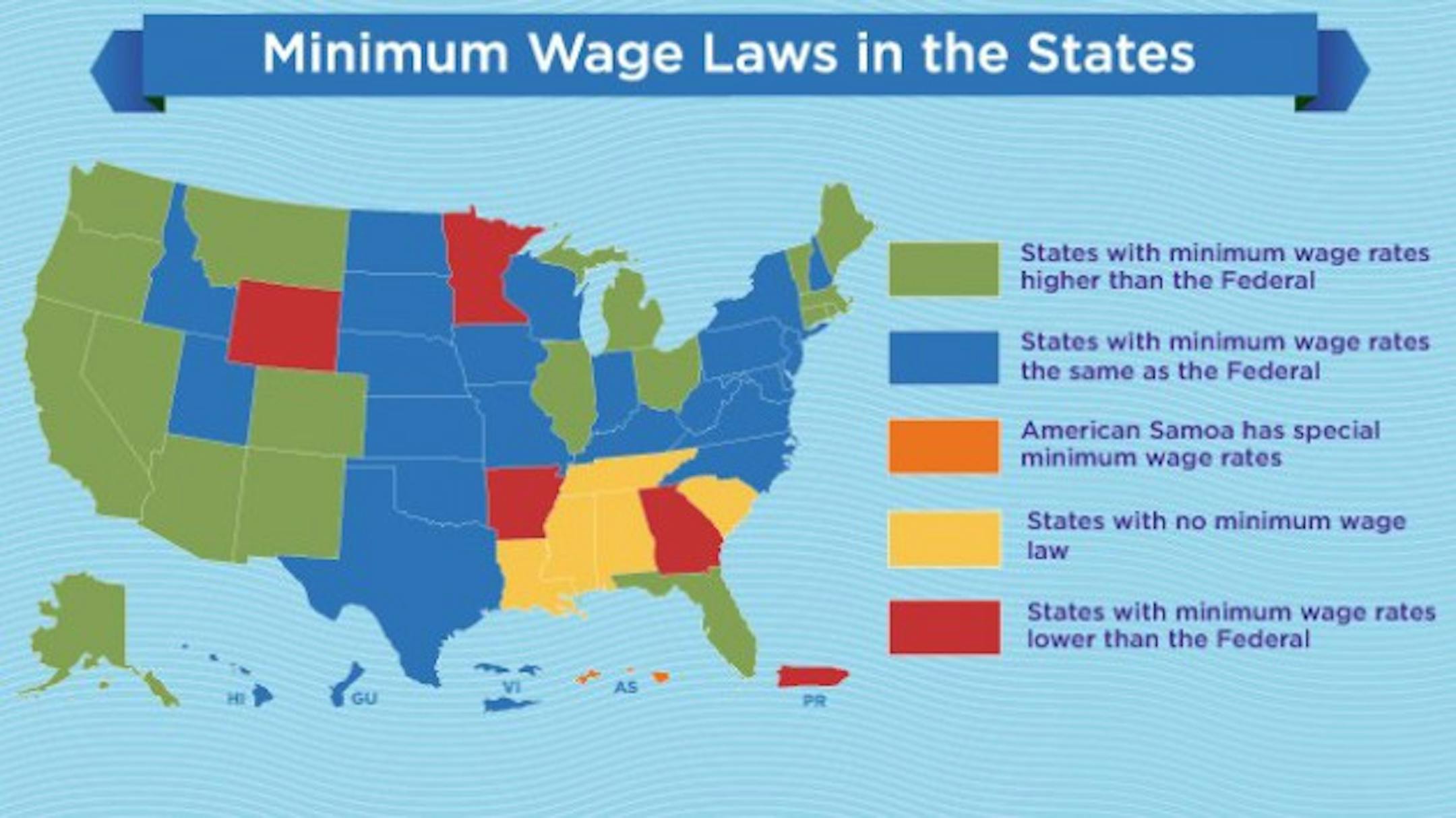
In Minnesota, the Legislature is considering several bills that would raise the state minimum, which primarily governs employers with annual revenues below $500,000. For them, today's hourly wage floor is $5.25, among the lowest in the nation (see box, right). A few larger employers that don't qualify for the federal minimum must pay a state minimum of $6.15. Several proposals under consideration in St. Paul would raise those floors to amounts ranging from $7.25 to $10.55.
We favor Obama's proposal and the more modest of the state proposals, save for one feature. Both would link the minimum wage to an inflation index, so that future increases would occur automatically without votes by lawmaking bodies.
That much autopilot is worrisome in a volatile economy — though its appeal is understandable, given the long intervals that have become habitual between congressional and legislative action on the minimum wage.