

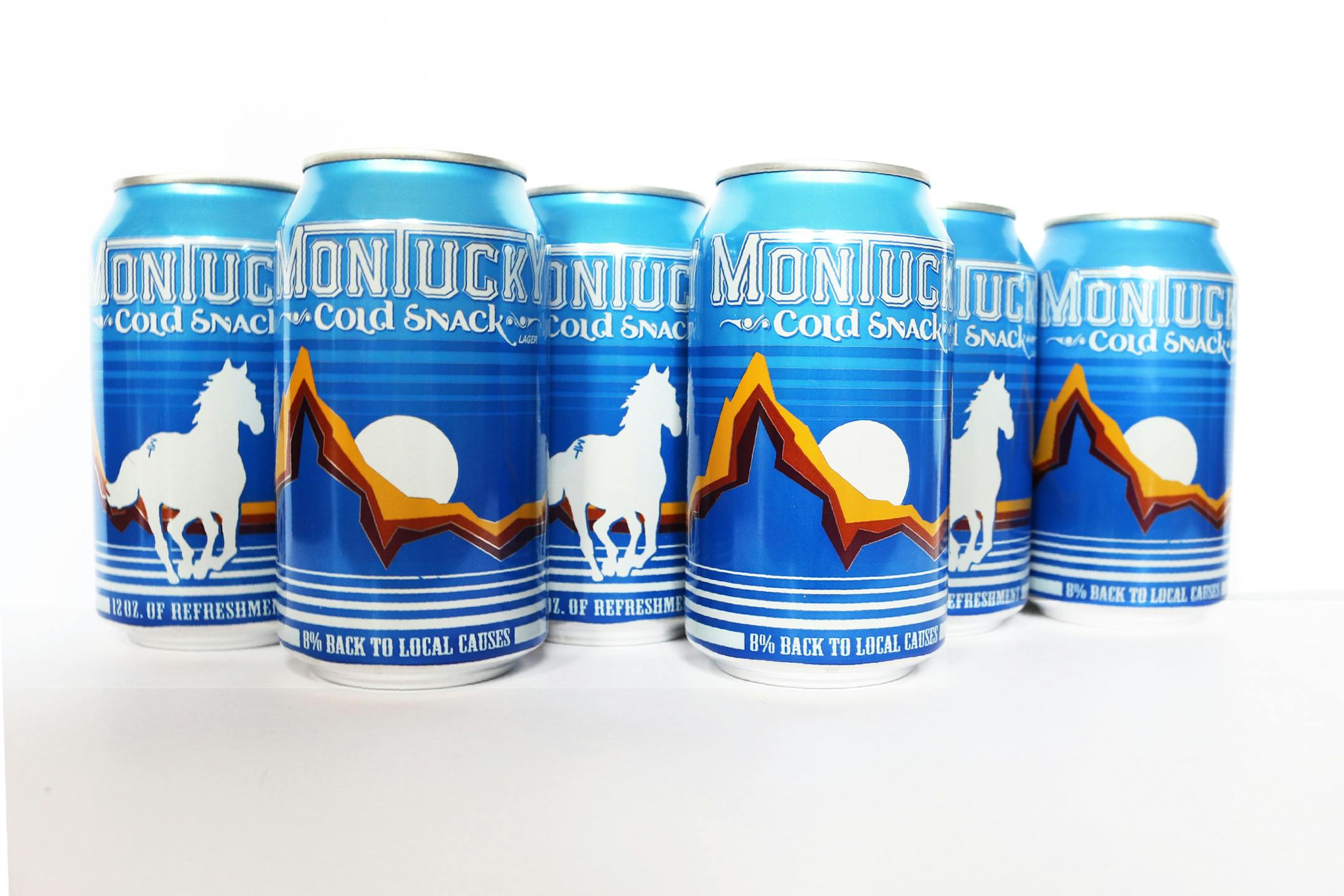
American light and premium lagers are the beers craft drinkers love to hate. They are derided and disparaged as boring, bland, frat beer, barley soda, fizzy water and swill.
The craft beer movement was born in part out of protest against them. Many a beer nerd has righteously declared that if presented with no other choice but these, he or she would choose to abstain from beer.
But here's the dirty little secret. Despite the protestations of the few, American lagers are still beer, and many of us actually like them. More than a few craft brewers happily crack a can after a day of making IPA. I've seen 12-packs hidden under tables at beer fests. And in a kind of full-circle logic, several craft brewers have started making versions of their own.
One criticism of these beers is the inclusion of rice and corn in the ingredients. The argument is that these grains cheapen the beer. But the use of these nonbarley adjuncts in American-made lager goes back almost 180 years.
When the first lager brewers immigrated to the United States from Germany in the 1840s, they encountered a barley variety that was different from that available back home. A higher protein content in the American barley was problematic for the production of quality beer.
Low-protein corn and rice were readily available and able to buffer the barley, while still providing sugar for fermentation. The addition made for better beer, not worse.
Another common complaint is that they all taste the same. But this simply isn't true. When tasted side by side with careful consideration, subtle differences are revealed in grain character and intensity, hop variety and fermentation-derived flavors. Each one becomes unique. Really.
And American lagers are the perfect summer sipper. They are light, crisp and refreshing. Subtle flavors don't tax your palate, and low alcohol won't leave you woozy under the scorching sun.


