A little-known standard set by railway engineers may be contributing to the number of homeless people who live along the Midtown Greenway in Minneapolis.
The American Railway Engineering and Maintenance-of-Way Association establishes standards for railroad infrastructure.
Those practices require a crash barrier to deflect any derailed cars away from bridge piers, according to Jack Yuzna, who works in the design area of the city's Public Works Department.
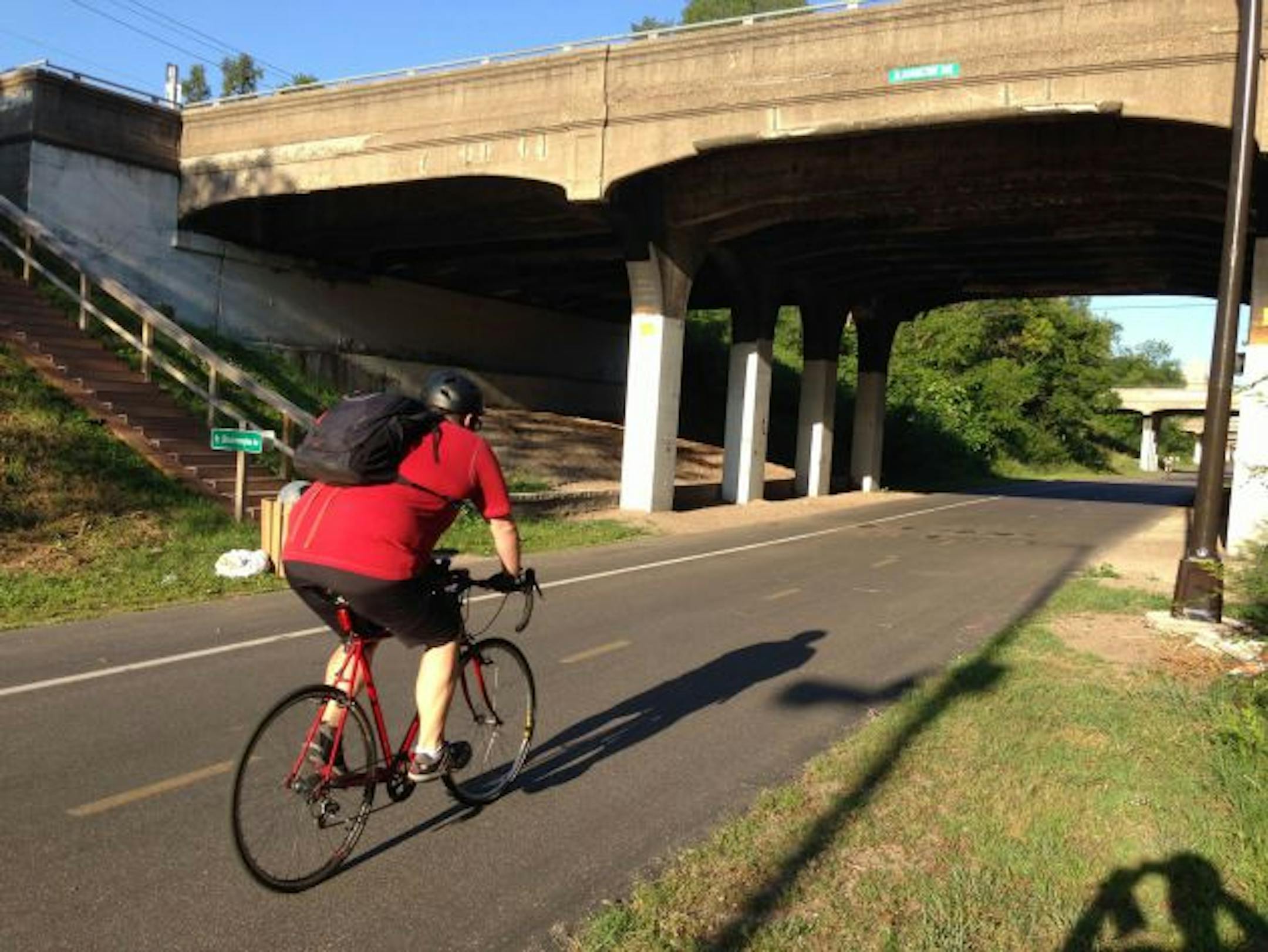
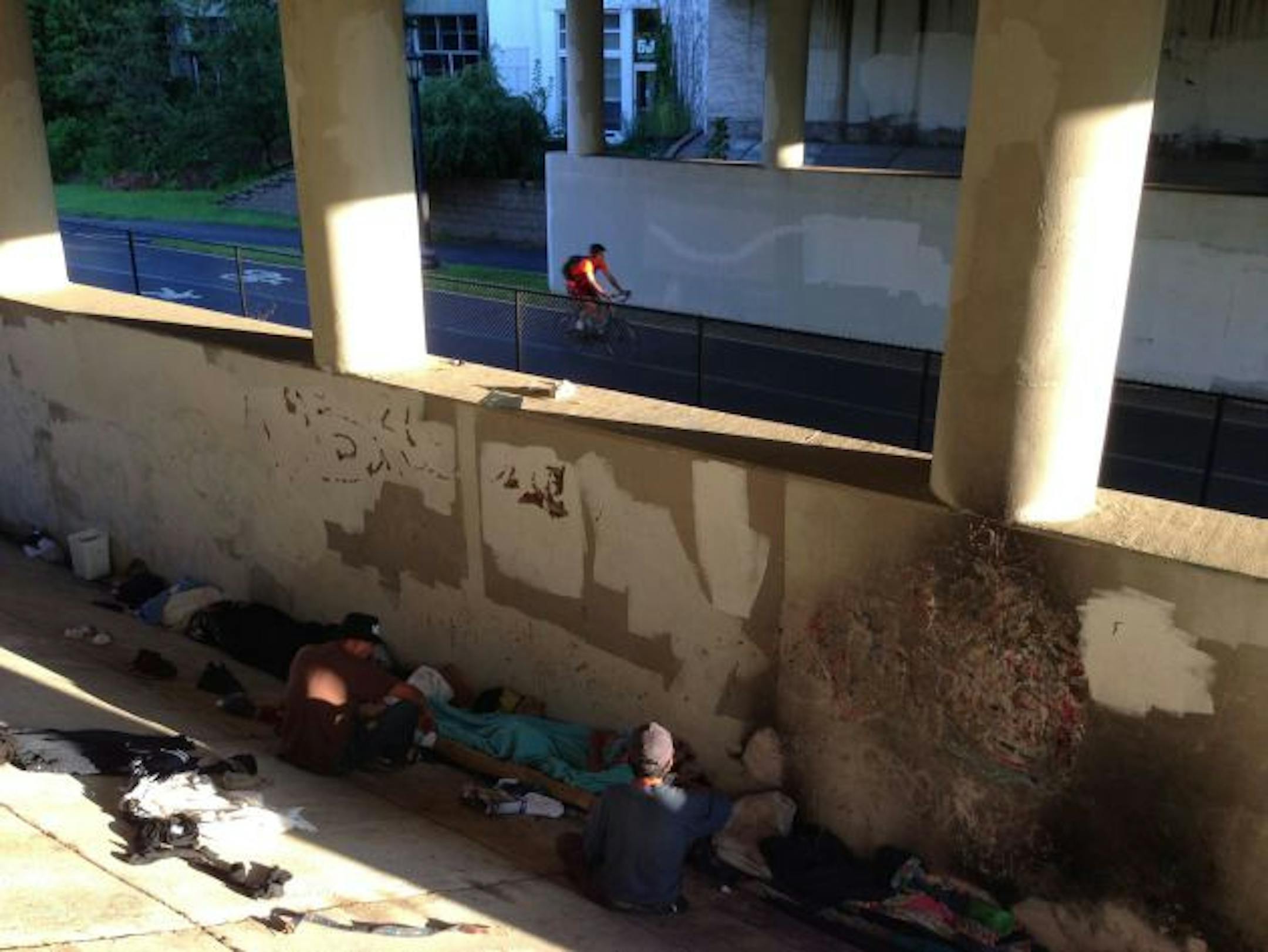
Although the bridged portion of the greenway hasn't been an active railroad for years, bridges that were rehabbed in the latter portion of those years fell under those standards. That meant that a vertical wall was installed that forms a base for the piers.
Homeless residents seem to prefer that design because it gives them more privacy and better weather shelter.
"When it's raining or snowing, it's better here," said Oscar Rojas, one of several men camped under the Lyndale Avenue bridge in August.
In contrast, bridges that haven't been rebuilt or that were rebuilt after the rail use ended feature double sets of four open pillars that give more exposure to wind, rain and the eyes of passersby.
The Star Tribune reported in August about the homeless population that has emerged in the often-unseen corners of the popular bike and walking trail. Homeless advocates have tried to find emergency housing for the residents, but they are often stymied by the lack of beds at local shelters.