
Radar to help find graves in Great Smoky Mountains of enslaved people

August 7, 2020 at 3:13AM
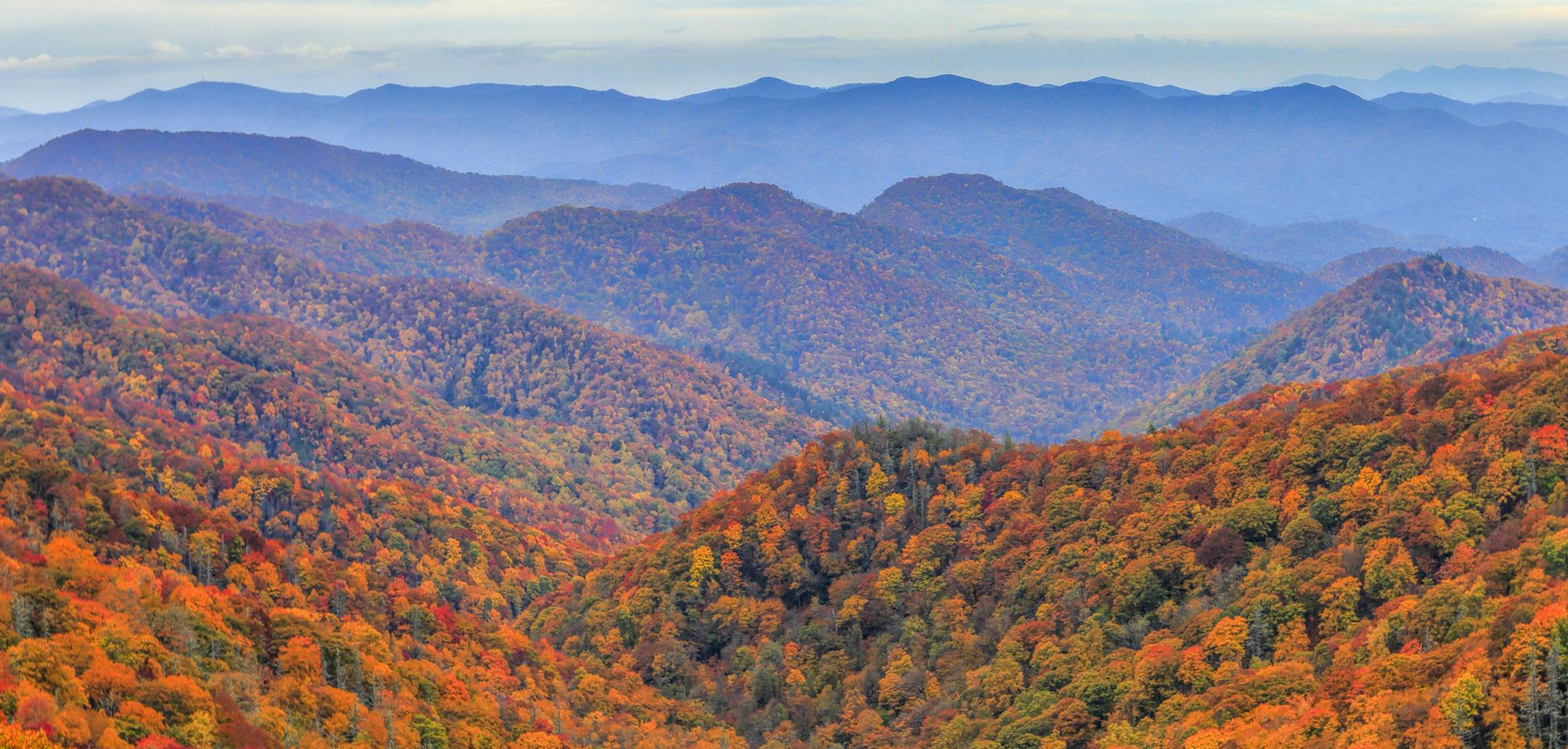
The National Park Service is trying to find the least known of the early settlers in the Great Smoky Mountains, the enslaved people brought there in the 1800s, using ground-penetrating radar to find their graves. (Dreamstime/TNS)
The National Park Service is trying to find the least known of the early settlers in the Great Smoky Mountains, the enslaved people brought there in the 1800s. (The Minnesota Star Tribune)

CHARLOTTE, N.C. – One of the oldest mysteries in the Great Smoky Mountains is where some of its earliest settlers are buried. Now the National Park Service is trying to find the least known of them: the enslaved people brought there in the 1800s.

Ground-penetrating radar is being used to find their graves, the park service said in late July, and the tally could affect how the park's earliest history is retold.

The National Park Service has pledged not to disturb the graves that it finds but will put markers on them "so we can properly acknowledge and pay respect."

"Cemeteries are essential elements of the park's collective history," the service said. "Although virtually every remnant from the beginnings of a community in the park may be lost, cemeteries often remain as some of the last tangible links to the past."

More than 150 cemeteries exist in the park, and the first being searched for enslaved people is also among the park's best-known historical landmarks: the Mingus Mill, built in 1886.

White settlers with Black slaves began occupying the surrounding valley in the 1790s, the University of Tennessee reports. The proof is a slave cemetery near the mill that has six known graves "marked simply with field stones," the NPS said.

More are likely buried there in unmarked graves, and the park service intends to find them with the radar.

The search is part of a broader federal initiative called the African American Experience Fund, which is focused on "celebrating and preserving African American history and honoring the sacrifices made by African Americans."

The Great Smoky Mountains National Park first drew attention to the project in February, with a Facebook post about a mysterious tombstone that says "A Black Man" in the Hidgon Family Cemetery. The post included a request for the public to offer any information on the history of grave.

"This research project is facing common obstacles: the African American members of the communities are nameless and faceless in typical historical records," the park posted on Facebook.

"Documents like birth/death records, photos, personal journals, family Bibles, and similar forms of historic reference materials have been difficult to uncover, because for many of the African American people of the time, they just don't exist."

about the writer

about the writer

Mark Price, Charlotte Observer

More from No Section

See More
FILE -- A rent deposit slot at an apartment complex in Tucker, Ga., on July 21, 2020. As an eviction crisis has seemed increasingly likely this summer, everyone in the housing market has made the same plea to Washington: Send money — lots of it — that would keep renters in their homes and landlords afloat. (Melissa Golden/The New York Times) ORG XMIT: XNYT58
Melissa Golden/The New York Times

It’s too soon to tell how much the immigration crackdown is to blame.