Race in America: A week to remember in an endless journey

Something I thought I noted in Obama's speech sums it up — a wistfulness at how close we come to perfection before willfully stepping away.

January 15, 2017 at 3:53AM
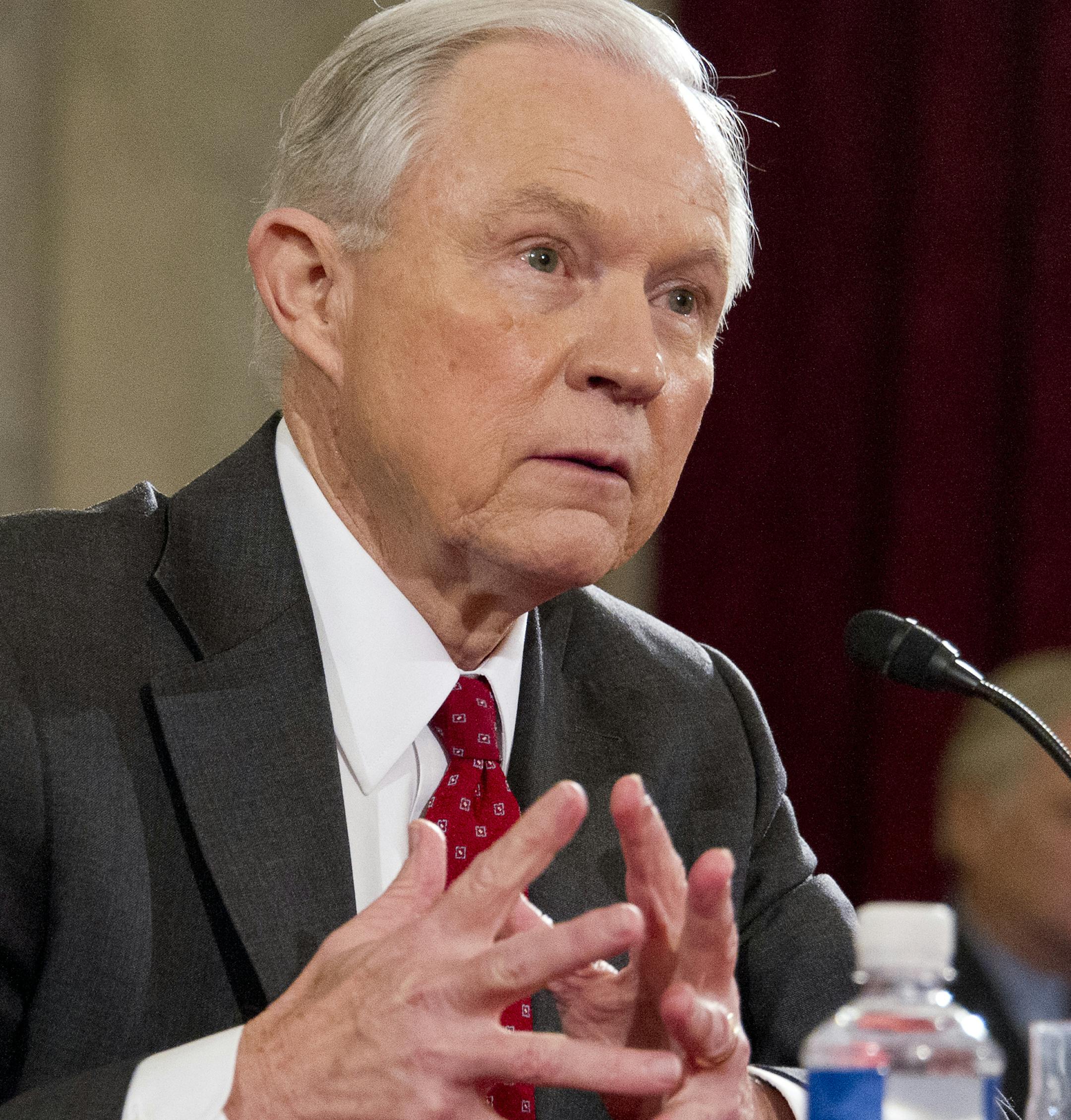
Sen. Jeff Sessions (R-Ala.) answers questions as he testifies during the U.S. Senate Judiciary Committee confirmation hearing on his nomination to be Attorney General of the United States, on Capitol Hill in Washington, D.C., on Tuesday, Jan. 10, 2017. (Ron Sachs/CNP/Sipa USA/TNS)
Sen. Jeff Sessions, R-Ala., during the U.S. Senate Judiciary Committee confirmation hearing on his nomination to be attorney general. (The Minnesota Star Tribune)

I don't usually live my days according to a particular theme. There's no planning that goes into them unless I'm celebrating a birthday or some other exceptional event.

Every now and then, though, in a sort of strange serendipity, a day comes together around people and places and ideas that have a symbiosis. So it was last Tuesday.

I spent a good part of the day in immigration court. It was a prison tribunal, carved into a detention center with roughly painted cinderblocks in place of windows and the type of damp draftiness that no amount of heating can neutralize.

I was, for all intents and purposes, in a bubble where I was blessedly cut off from the news of the day (no Meryl Streep and her "streepings," no Donald Trump and his tweetings).

When I emerged into the sunlight, I received an immediate informational slap in the face.

First, on the radio, there was the confirmation hearing of attorney general pick Sen. Jeff Sessions or, as the Democrats insisted on calling him, Jefferson Beauregard Sessions, which they did just to make sure we recognized his despicable Dixie pedigree.

It was the same tactic that's been used by conservatives who have insisted on calling our president "Barack Hussein Obama," to remind us of, well, you know what.

It seemed as if Sessions was on trial for his past, as a man of a certain age raised in a certain place during a certain time. If you dig deeply enough into the histories of Southerners who came of age in the 1950s and 1960s, you'd inevitably find traces of horrible words spoken, troublesome associations made, jokes that weren't funny and an insensitivity born of the historical moment.
Sessions is a product of his past. And yet, there were others who testified to his change of heart, his prosecution of racist men in white sheets, his befriending of men and women of color, and a color-blind style of mentoring.

It didn't convince the irretrievably hardened and embittered, people like the protestors who made fools of themselves impersonating Klan members. But that was irrelevant. The criticisms of the opponents were really just agitprop, because the votes for confirmation were already there. It was good theater, nothing more.

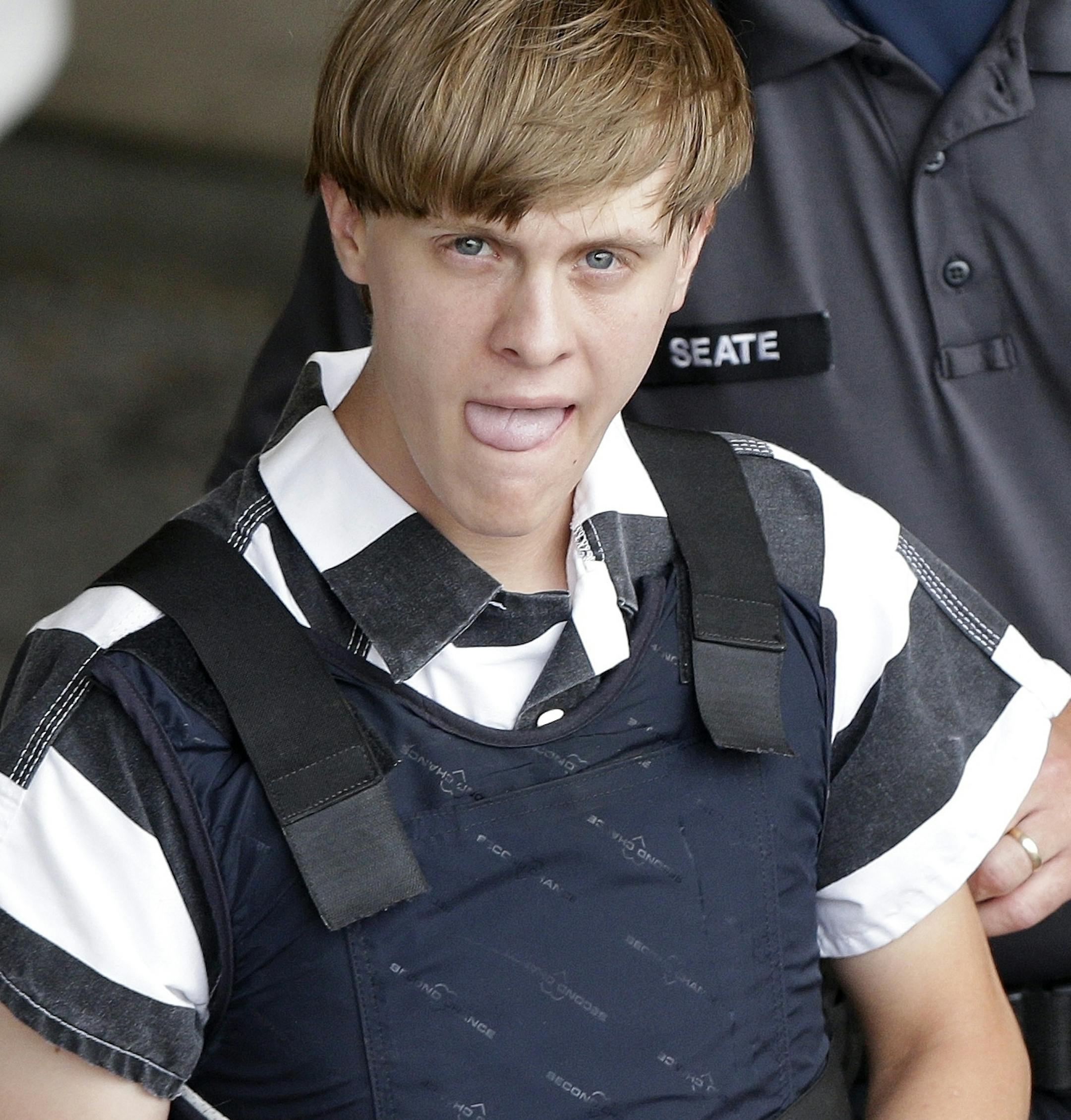
After that, on the same radio station, I heard that Dylann Roof, a man who'd murdered innocent black churchgoers to start a race war in South Carolina, had been sentenced to death. Even those who oppose the death penalty had to feel some sense of justice in that. And I do not oppose the death penalty.

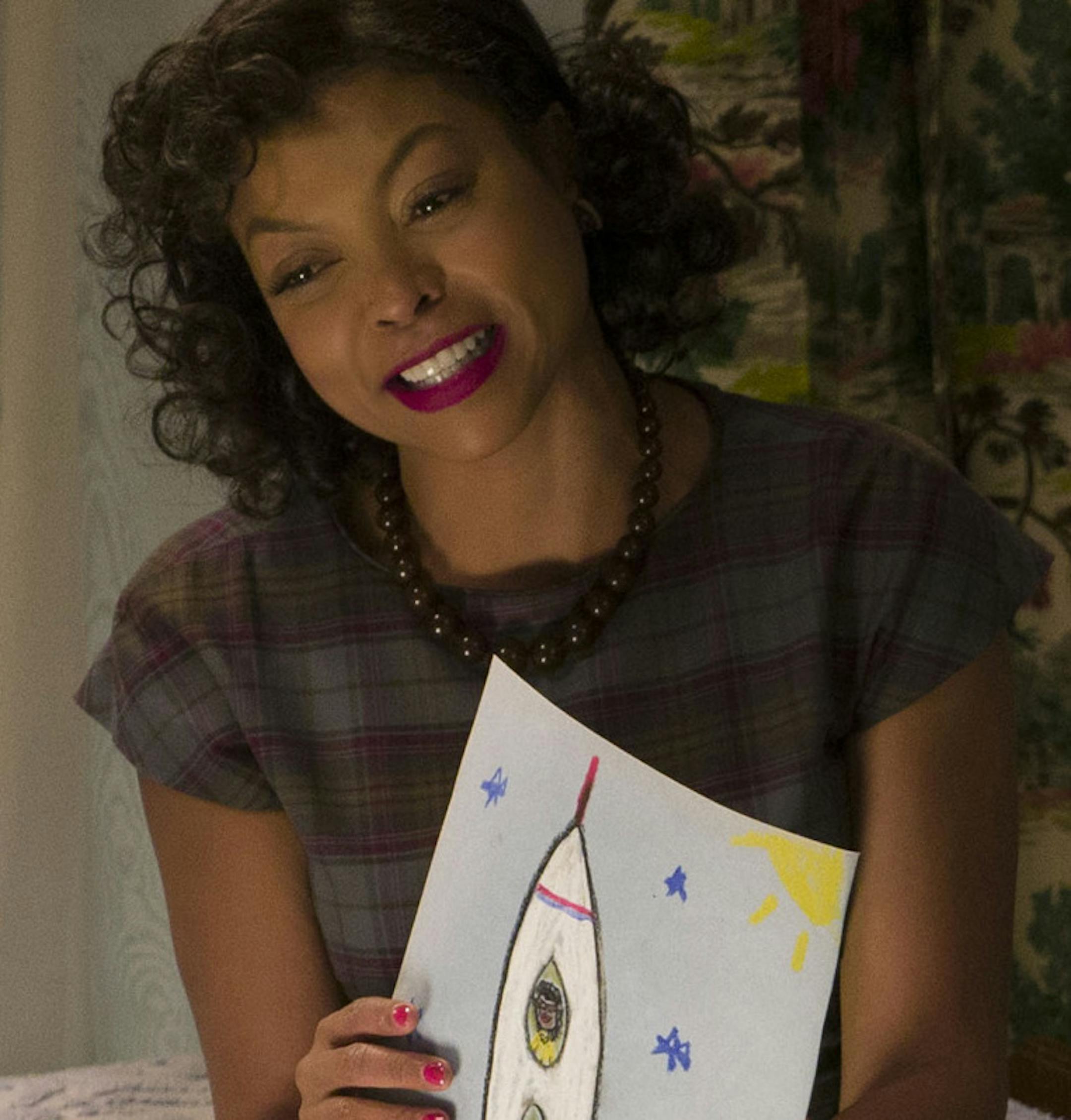
Later that evening, I went with a friend to see the movie "Hidden Figures," about the African-American female trailblazers at NASA who played a critical, and until recently unknown, role in the space program.

There is a scene at the end of the movie in which John Glenn basically refuses to get in the Friendship 7 capsule until one of the black "computers," played by Taraji P. Henson, does the numbers in her head and calculates the accuracy of his splashdown or "go, no go" point. It might be Hollywood, but it sends chills down the spine.

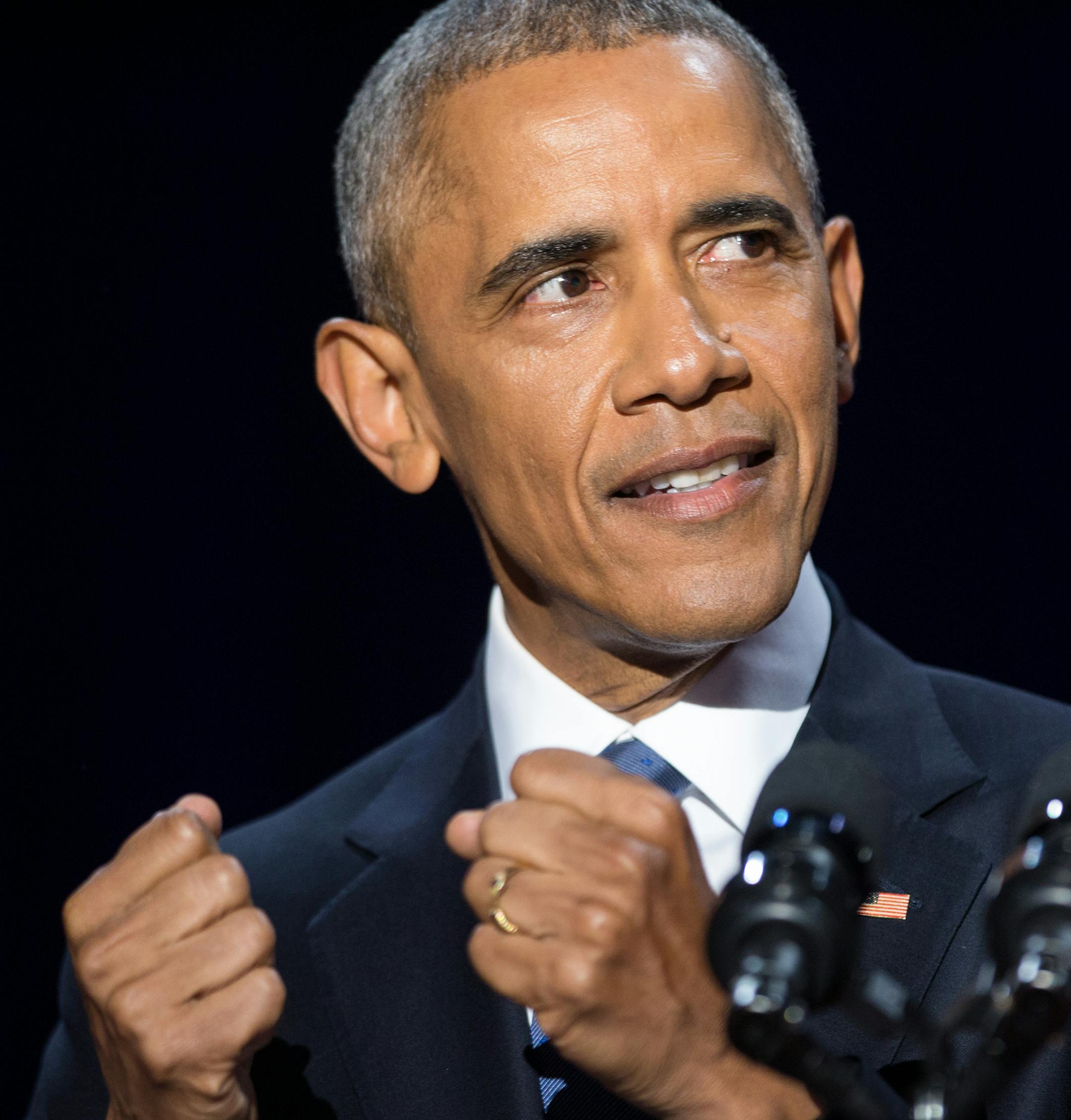
And then I came home, turned on the TV and watched President Obama's farewell speech, which I had recorded on DVR.

It was moving, as most of his speeches are, and particularly compelling because it was the last major address he'll give the American people as an occupant of the White House.

I won't get into the substance, because I disagree with so much of his agenda. He shares very few of my political positions. I did not vote for him, and I'm at peace with that. But he made the attempt, as he usually does, to rise above the partisan labels and talk to us as Americans. Some who were already predisposed to find fault heard him criticizing "us" or "them" and dismissed his words as just another late and final dig against Trump voters. I didn't hear that, even though I absolutely heard his disdain for them in the past.

What I noted in the speech, and it could have been entirely of my own imagining, was a wistfulness at how close we Americans come to perfection but then willfully step away from it.

Of course, one man's perfection is another man's Obamacare, but I think that generally speaking, we spend more time hating than debating, more time whining than shining, more time inciting than uniting (and there ends my Maya Angelou moment).

Looking at those who were attacking Jeff Sessions, I saw unforgiving avengers who really just wanted to fight the Civil War all over again. They were like the kid in "The Sixth Sense" who said, "I see dead people," only they saw racists in the shadows.

Then, when I heard about the sentencing of Roof, I saw the real face of racism and understood why some might still be armed for battle.

Watching "Hidden Figures" and its gentle, dignified characters made me think of my father, who, when he went down to Mississippi to register black voters in 1967, encountered courage in the oppressed and oppression from the cowards.

That quiet dignity, steel-backed and patient, makes today's coarse, divisive chants of, "No justice, no peace," seem like the work of spoiled, embittered children. Black lives do matter, of course, but so do good manners.

Which brings me to Barack Obama. The words of this man, who has been accused of fomenting racial divisions by people on both sides of the color divide, were reminiscent of the dignified rhythms of the past.

Tuesday was a day when old racists were challenged and redeemed, when murderous bigots were put down, when hidden figures of historic importance were finally illuminated, and when the first black president, with trepidation and his own brand of hope, passed the baton.

And we, imperfect but with promethean potential, pick it up. And move on.


President Obama delivers his farewell address at McCormick Place in Chicago on Tuesday, Jan. 10, 2017. (Zbigniew Bzdak/Chicago Tribune/TNS) ORG XMIT: 1195879
President Obama, after eight years in the Oval Office, delivering his farewell address at McCormick Place in Chicago. (The Minnesota Star Tribune)
FILE -In this Thursday, June 18, 2015 file photo, convicted shooter Dylann Roof is escorted from the Cleveland County Courthouse in Shelby, N.C. Roof was convicted of killing nine congregants at Emanuel AME Church, Wednesday, June 17, 2015 in Charleston, S.C. A federal jury will consider whether Roof should be sentenced to death or life in prison for killing nine black church members in the racially motivated attack. (AP Photo/Chuck Burton, File)
Dylann Roof in 2015. On Tuesday, he was sentenced to death for killing nine black church members during Bible study in Charleston, S.C. (The Minnesota Star Tribune)
This image released by Twentieth Century Fox shows Taraji P. Henson as Katherine Johnson in a scene from "Hidden Figures." (Hopper Stone/Twentieth Century Fox via AP)
Taraji P. Henson as Katherine Johnson in a scene from the movie “Hidden Figures,” about African-American female trailblazers at NASA. (The Minnesota Star Tribune)
about the writer

about the writer

Christine M. Flowers, Philadelphia Daily News (TNS)

More from Commentaries

See More
card image
Alex Kormann/The Minnesota Star Tribune

About grand juries and trial juries and the need to uphold the standards of these bulwarks against tyranny.

card image
card image