

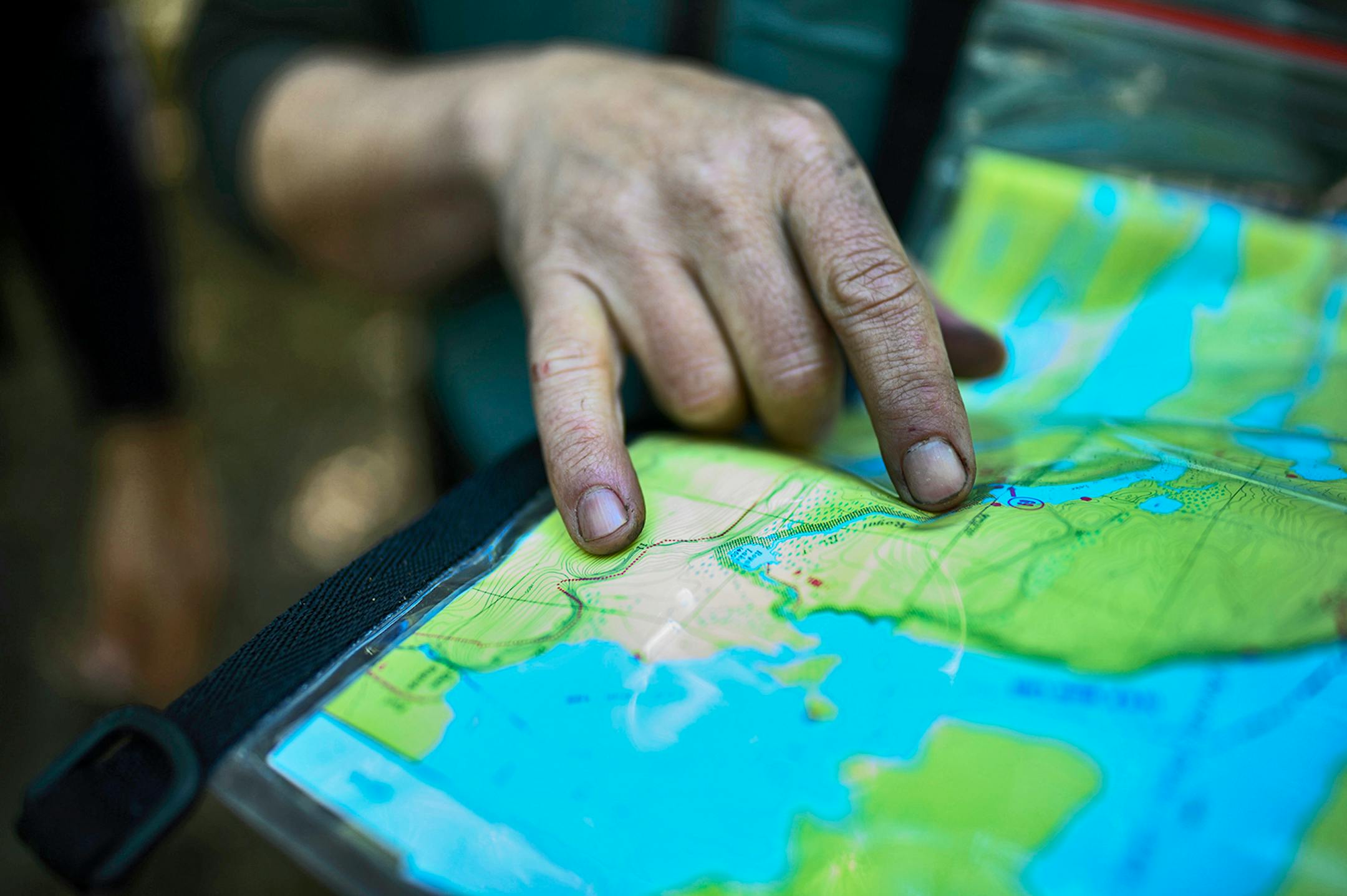
Heading into the boundary waters is undoubtedly daunting, especially if you haven't been. Inherent risks stalk any trip into the wild, especially when you venture beyond the reach of cellphones and into the land of big waves and wild weather. But even short of those risks, more mundane questions like what to pack and what time of year to go can vex neophytes. I've taken a lot of first-timers into the Boundary Waters Canoe Area Wilderness (BWCA), so I continue to see it through their eyes. Here are some questions to ponder if you're planning a trip into the canoe wilderness:
Ely or Gunflint Trail?
If you're driving north to the BWCA, you'll hit a fork in the road in Duluth. Go left and you'll follow Hwy. 53 toward Ely. By the estimate of Star Tribune columnist Dennis Anderson, 70 percent of paddlers enter the BWCA from the Ely side, probably because it's a shorter drive and offers more well-known lakes and routes. But if you're willing to journey a bit farther, turn right and follow Hwy. 61 along the North Shore to Grand Marais, then turn up the famous Gunflint Trail. Either way, you won't be disappointed.
Loop, straight route, or base camp?
The most common trip that canoeists take in the BWCA is to leave a vehicle (or get dropped off by an outfitter) in one spot, paddle and portage in a loop, and end up a few days later at the same spot. You can also do what our group did, and travel from one spot to another, but you'll have to arrange to shuttle a car to your take-out spot. Or you can find a campsite and sit tight for a few days, making day trips. The U.S. Forest Service allows campers to stay up to 14 nights at a site, but if you hog a premier spot, you'll earn the ire of other canoeists.
Have an outfitter help, or go it alone?
The outfitters on both sides of the BWCA are an invaluable resource of knowledge and experience. Not many people have all the gear needed for a trip, and outfitters will work with you to rent you what you need, up to a fully outfitted trip with all gear and food. Plus, they can point you toward good campsites, less-trafficked routes, and secret fishing holes. Many outfitters have packages that fit the group, whether it is a few people, a family, or a sizable group. The website at ely.org has a useful outfitter directory for that region.
How important is fishing?


