

Mandatory vaccines are two words that course through discussions about fundamental things people do, from going to school to dining out.
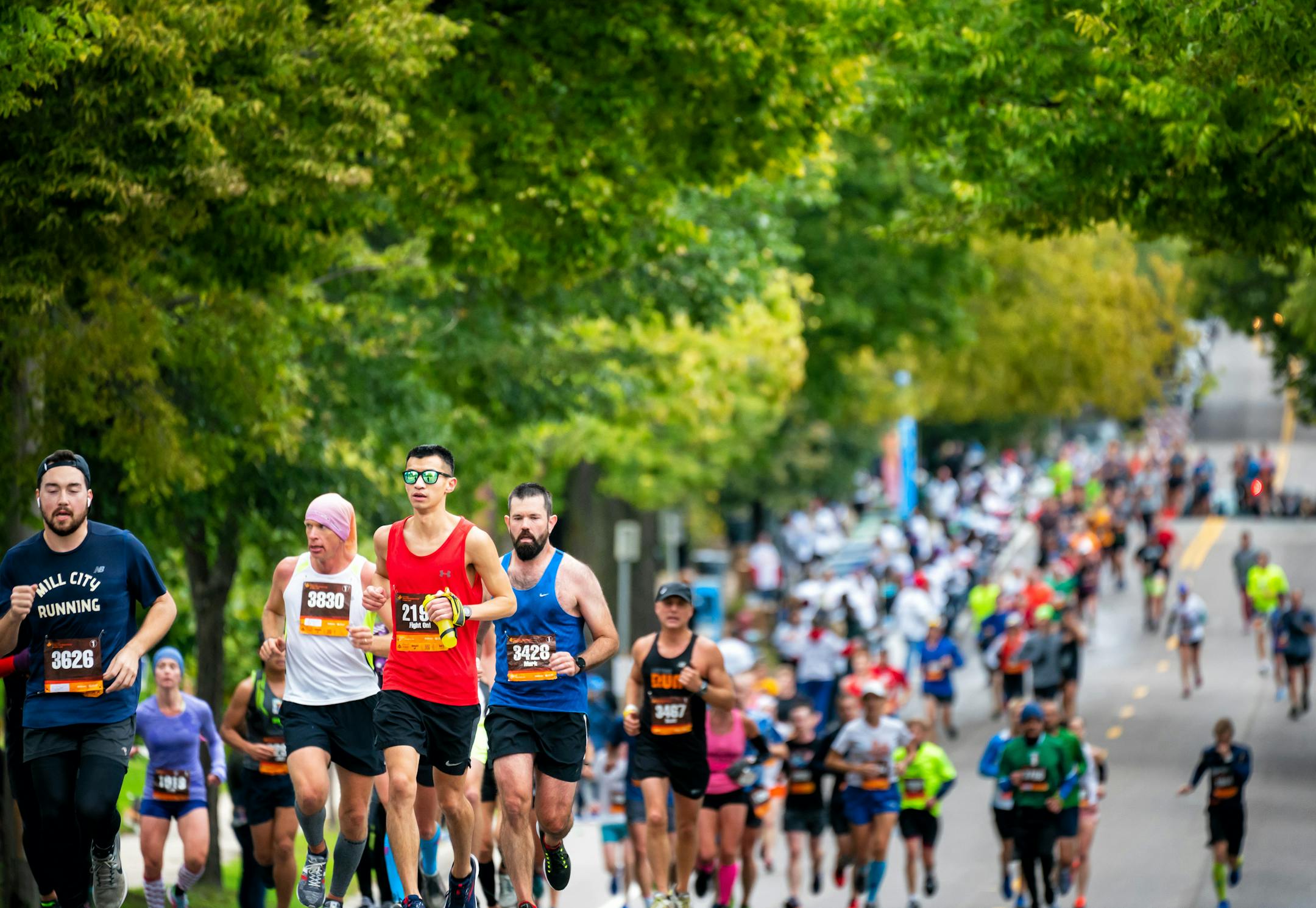
The matter of who has and who hasn't received the COVID-19 vaccine — and possible restrictions on the latter — has worked itself into the popular sport of road running, heightened by a blog post in the New York Times' popular running newsletter Monday. The theme: Should races, especially major ones, require all participants be vaccinated? Unsurprisingly the answer is complicated, as the heavyweights of marathoning have learned.
Responded Ted Metellus, the New York City Marathon race director: "We are not in a position to force or mandate for people to take the vaccines, but what we can do is say, 'These are the requirements.' "
Last week, New York announced a reduced field, 33,000 instead of its usual 55,000, for November, with plans for a staggered start. Details are to come, but organizers plan to require runners show proof of vaccination or proof of a negative COVID test near race day, and other safety procedures. And the Boston Marathon is back, too, moved from April to October this year.
Grandma's Marathon in Duluth is less than a month away. It was forced to cancel its popular race last year for the first time in 44 years, and it needed to redesign this year's version to meet safety protocols at the time when it rolled out registration late last year.
This year's race weekend will feature three distances over two days, with reduced fields: 4,000 in the marathon, 4,000 in the half-marathon and 1,500 in the 5-kilometer race.
Grandma's media director Zach Schneider said the topic of vaccinations came up when the organizers began planning last year, but "it's never been logistically possible." Plus, vaccine shots weren't widespread and available at the time, he added.
Mary Anderson runs Anderson Race Management, which had 90% of its 200-plus events canceled or virtual in 2020. She already has coordinated several runs this spring, ones modified to accommodate state protocols such as keeping gatherings to 250, running "pods" to keep participants distanced, and more.


