Like most Minnesota waterfowlers, Steve Cordts, of Bemidji, the Department of Natural Resources waterfowl specialist, rarely leaves home without his Labrador retriever.
Until sometime in November, when Minnesota ponds freeze over, Cordts and Larkin, his 3-year-old male Labrador, will clamber into Cordts' pickup on chilled mornings to immerse themselves in dank marshes, hoping that mallards and other fowl arrow from half-lit skies and bank over their decoys.
Cordts' love of Labradors, and the countryside where they serve their ancient callings, puts him in good company — not only with the tens of thousands of Minnesota waterfowlers who will go afield with these loyal animals on Saturday, the first day of the state's regular duck season, but with the late Queen Elizabeth II.
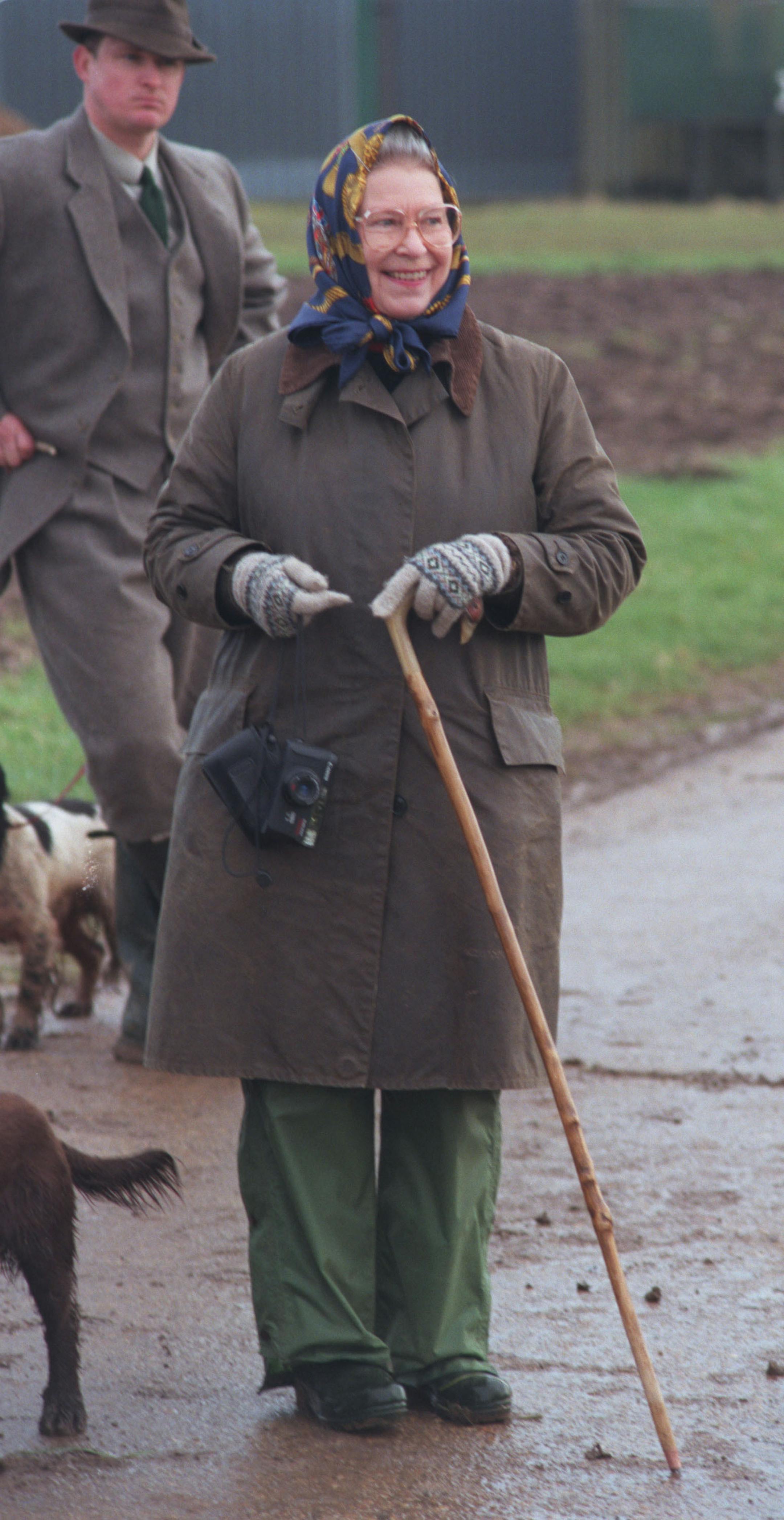
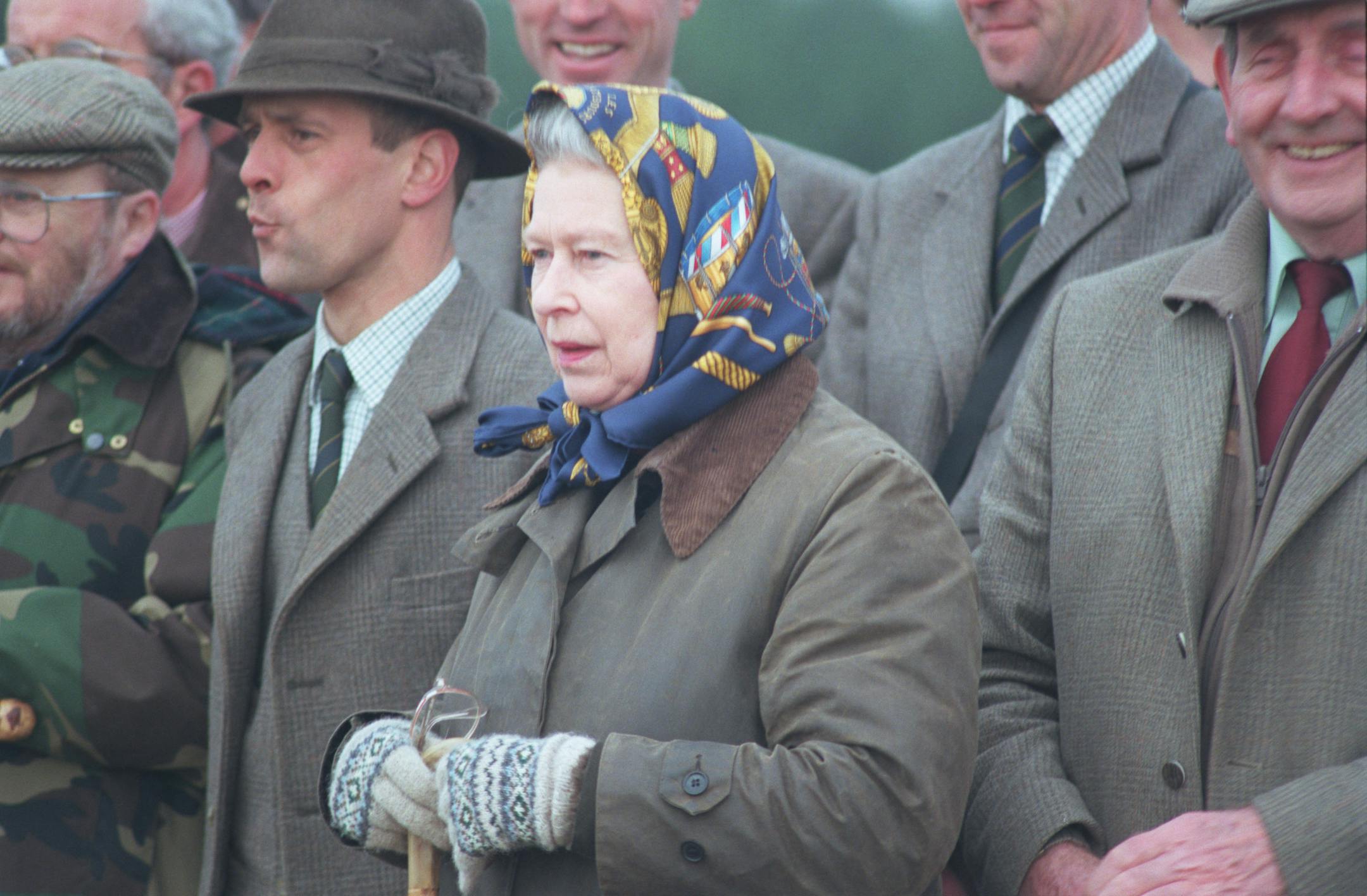
A lifelong dog lover and matriarch of a kennel of more than 20 Labradors — whose charge she commanded expertly — the queen was at heart a country woman who was most comfortable at Balmoral or Sandringham, her estates in rural Scotland and England, respectively.
These were my impressions, at any rate, while observing her over multiple days and while meeting her a few times at Sandringham, where the Royal Family regularly shoots and where she periodically hosted the British Retriever Championship.
When the queen died Sept. 8 at Balmoral, her body departed the 50,000-acre estate in an oak coffin borne on the shoulders of Balmoral's six gamekeepers — managers of the manor's grouse and pheasant shoots.
The image of workaday gillies bearing their queen, and friend, lacked the pageantry of processions that followed in London. But it affirmed the kinship she shared with those of common field interests, whether king or courtier.
A lifelong fancier also of Pembroke Welsh corgis as house companions, the queen first learned about game shooting and retrieving dogs at the elbow of her father, King George VI.