

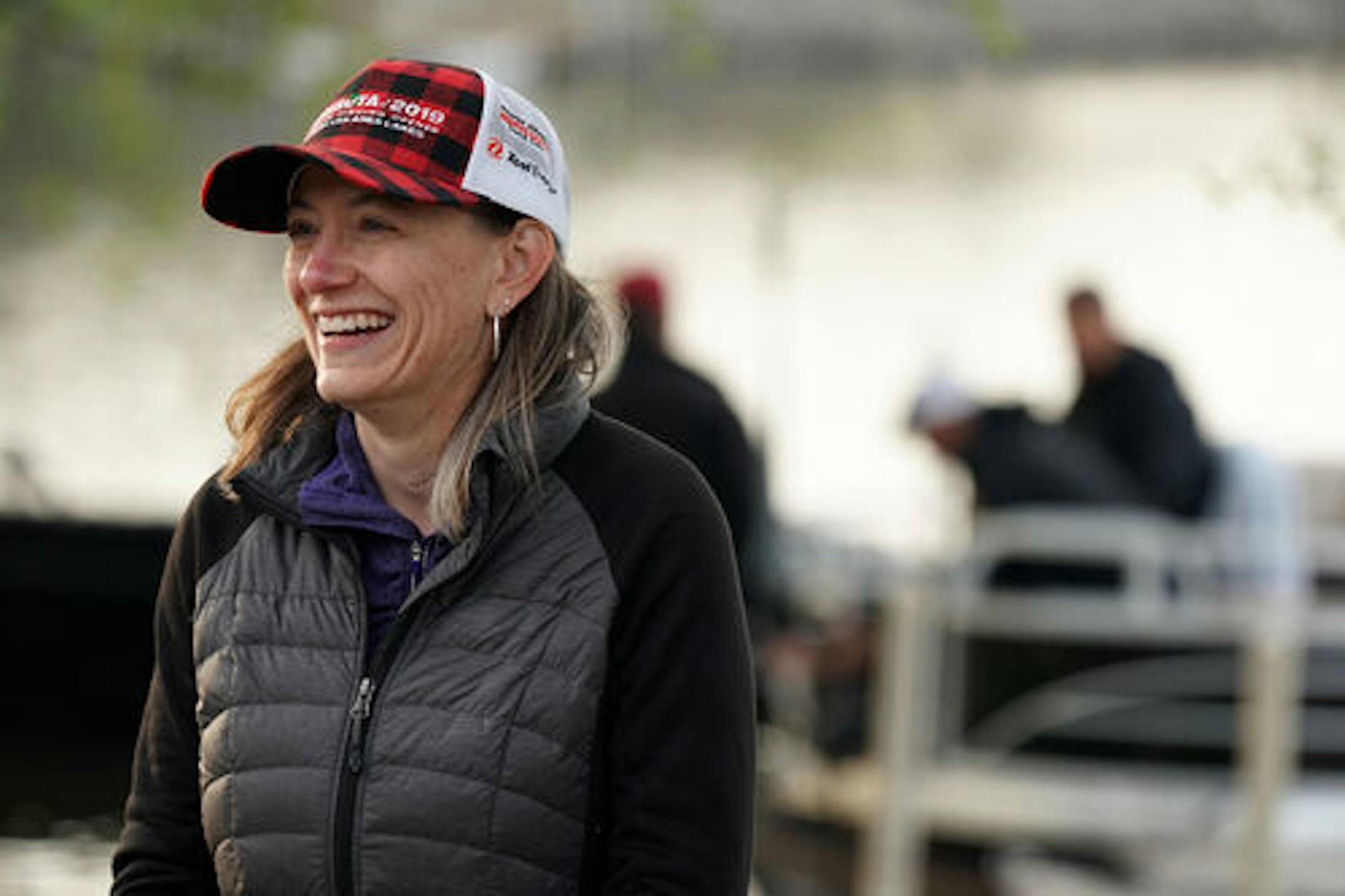
Sarah Strommen, 46, has been Department of Natural Resources commissioner for nearly two years. In the interview that follows she discusses the effect of the pandemic on her agency's operations, the DNR's method of advocating for conservation of wetlands and roadsides, and state management of wolves, among other topics. Strommen is the first women appointed to head the DNR.
Q Talk about the challenges, and any surprises, of your first two years as DNR commissioner.
A The first year was different from the second because of the pandemic. The first year I spent a lot of time traveling and meeting with stakeholders and local folks and hearing their passions and concerns about natural resources. That was rewarding. It validated for me the passion Minnesotans have for the outdoors. The DNR's challenge is to connect with that passion. This year, since March, I haven't been traveling, so I haven't had the chance to connect with people as much. Yet this year the outdoors has been more important than ever to Minnesotans and their health and well-being.
Q How much time do you spend on fish and wildlife management, compared to minerals, lands, state parks and other DNR obligations?
A Fish, wildlife and state parks take up significant portions of my time. It's in those areas most Minnesotans connect with the outdoors. This was particularly true this year. Fishing and boating participation were up.
Q Because of the pandemic, many deer hunters this fall were asked to voluntarily submit their harvested animals for testing. But relatively few did. Will this undercut DNR tracking of the disease?
A We received enough submissions that we're not concerned about losing ground. We've had voluntary submissions before and it worked pretty well. This was an opportunity to try it again. It was also a good opportunity to remind hunters we're in this together.
Q How much of a threat is CWD to Minnesota's deer?


