

ST. CLOUD – When the Spanish flu struck Stearns County in September 1918, theaters and schools closed to tamp down the spread of the virus.
A newspaper touted goose grease and turpentine as remedies for the disease that claimed more than 300 lives in the county during the deadliest four months.
Today, residents are able to reflect on those details because people prioritized the documentation of history in central Minnesota.
A group of local residents formed the Stearns County Historical Society in the mid-1930s. By the early 1980s, the organization broke ground on a museum that continues to be modernized today.
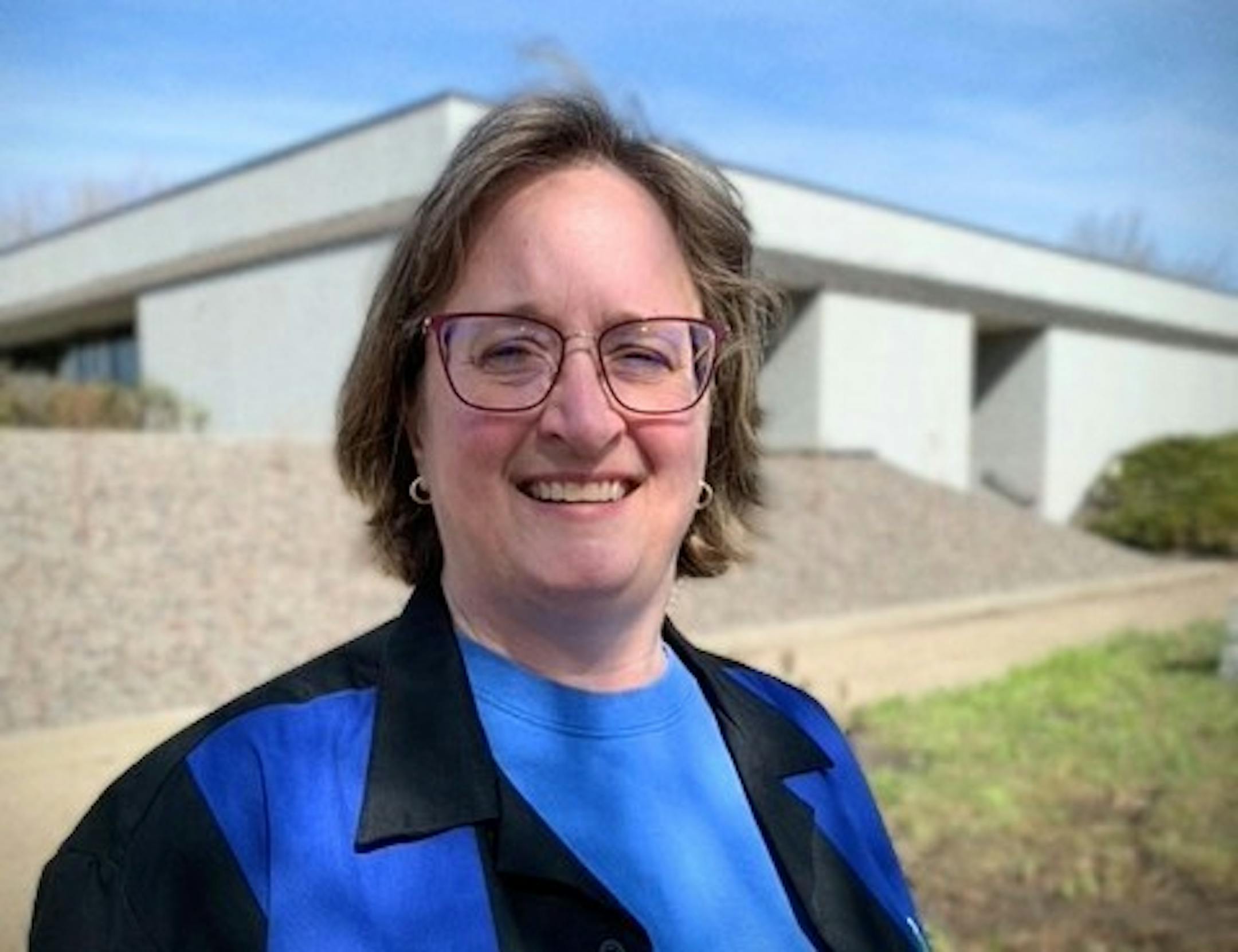
At the helm of the museum is Carie Essig, who became executive director in 2018.
In a written response to the Star Tribune, Essig, 51, talked about how the museum is documenting life during COVID-19 all the while working to survive the pandemic and plan for future programming. Answers have been edited for clarity and length.
Q: How does Stearns History Museum serve central Minnesota by preserving and sharing history?
A: We connect people through the power of history and culture. We create exhibits that tell stories of the past, offer programs to engage our communities in conversation and provide opportunities for individuals and businesses to conduct research. We bring people together to explore and learn from their past.


