

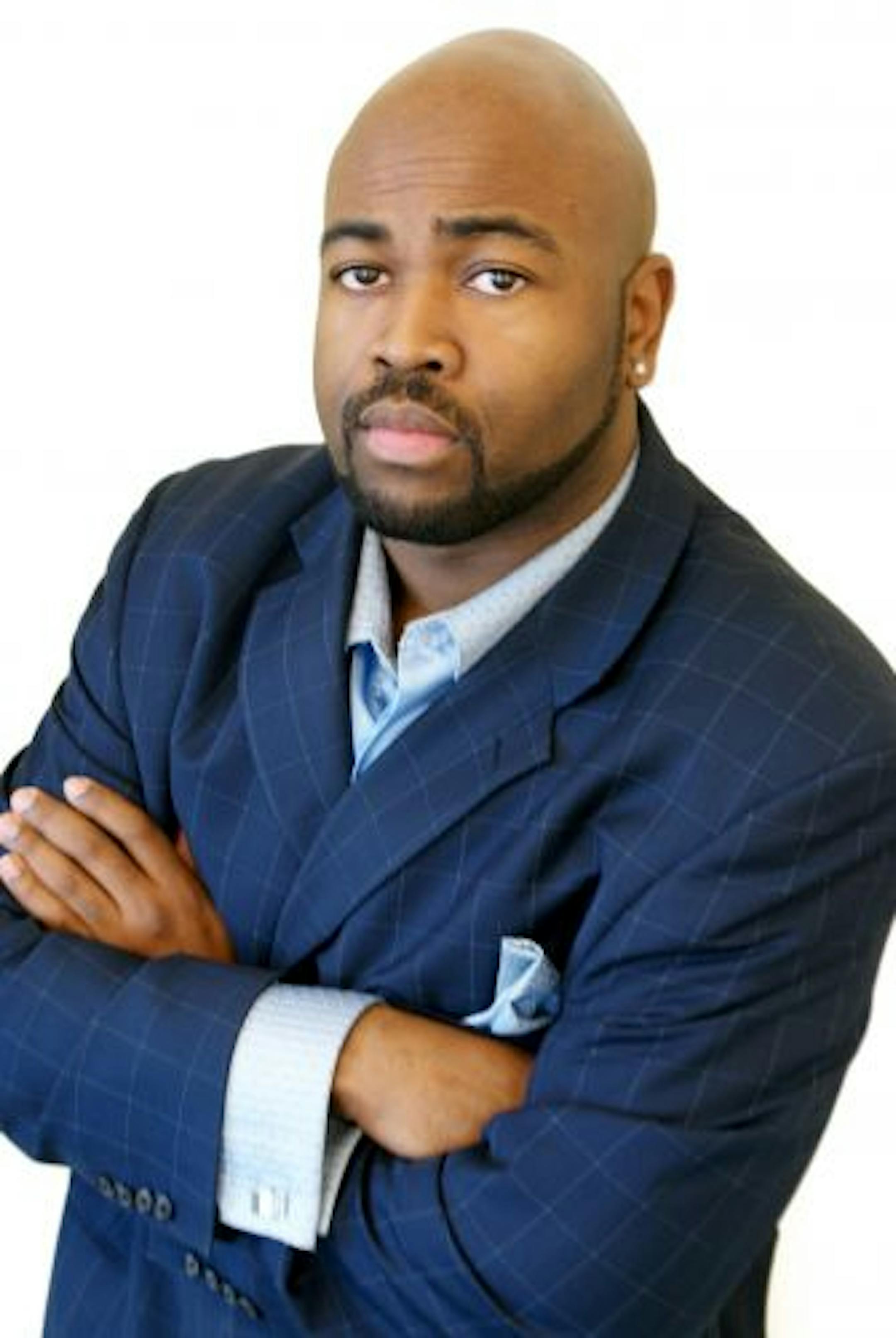
Jason Sole headed to Minneapolis' Seward neighborhood in January, hoping the horrific news he'd just heard was wrong. But three men had, in fact, been killed in a Somali convenience store, and one of them, customer Anwar Mohammed, was a man Sole knew well.
"He was really, genuinely, a good guy," Sole said of Mohammed, 31, who worked as a parking lot attendant.
As the story unfolded, Sole was in a tough position. The alleged shooter was Mahdi Ali, believed to have been born in a Kenyan refugee camp. Two weeks ago, a judge ruled that Ali was at least 16 when he allegedly pulled the trigger on all three men, a decision that means Ali can be tried as an adult. If convicted of first-degree murder, the teen can be locked up for life with no possibility of parole. That's the tough part for Sole.
A three-time felon who spent two years in prison himself, Sole cleaned up his act and now runs a consulting firm working, in large part, to turn around juvenile offenders. That includes advocating to keep those younger than 18 out of adult prisons -- in all cases.
What Ali is accused of is horrible, Sole said, "but try him as a juvenile, because that's what he is. We didn't treat him like an adult before the crime. Why after?"
It's a question more people are asking, with good reason. "Study after study, including from the U.S. Department of Justice, the U.S. Centers for Disease Control and Prevention, and the Brookings Institution, has found that kids put into the adult system are more likely to reoffend than similar kids kept in the juvenile system," said Eric Solomon, spokesman for the Campaign for Youth Justice based in Washington. They are also 36 times more likely to commit suicide in adult jails than are youth housed in juvenile facilities, he said.
Last Thursday, representatives from Solomon's organization testified at a hearing in Washington to support juvenile justice reform. "Kids should be held accountable, but keeping them with adults is not helping anybody," Solomon said. "It's just putting our kids in danger and costing the government more money."
Sole, who teaches criminal justice at Metro State University, said that murderers are the least likely to reoffend. Besides, if tried as a juvenile, Ali still would have served eight years at least. That's half his life again to turn himself around, something a growing number of legal experts say cannot be done if a young person is thrown into the adult system.


