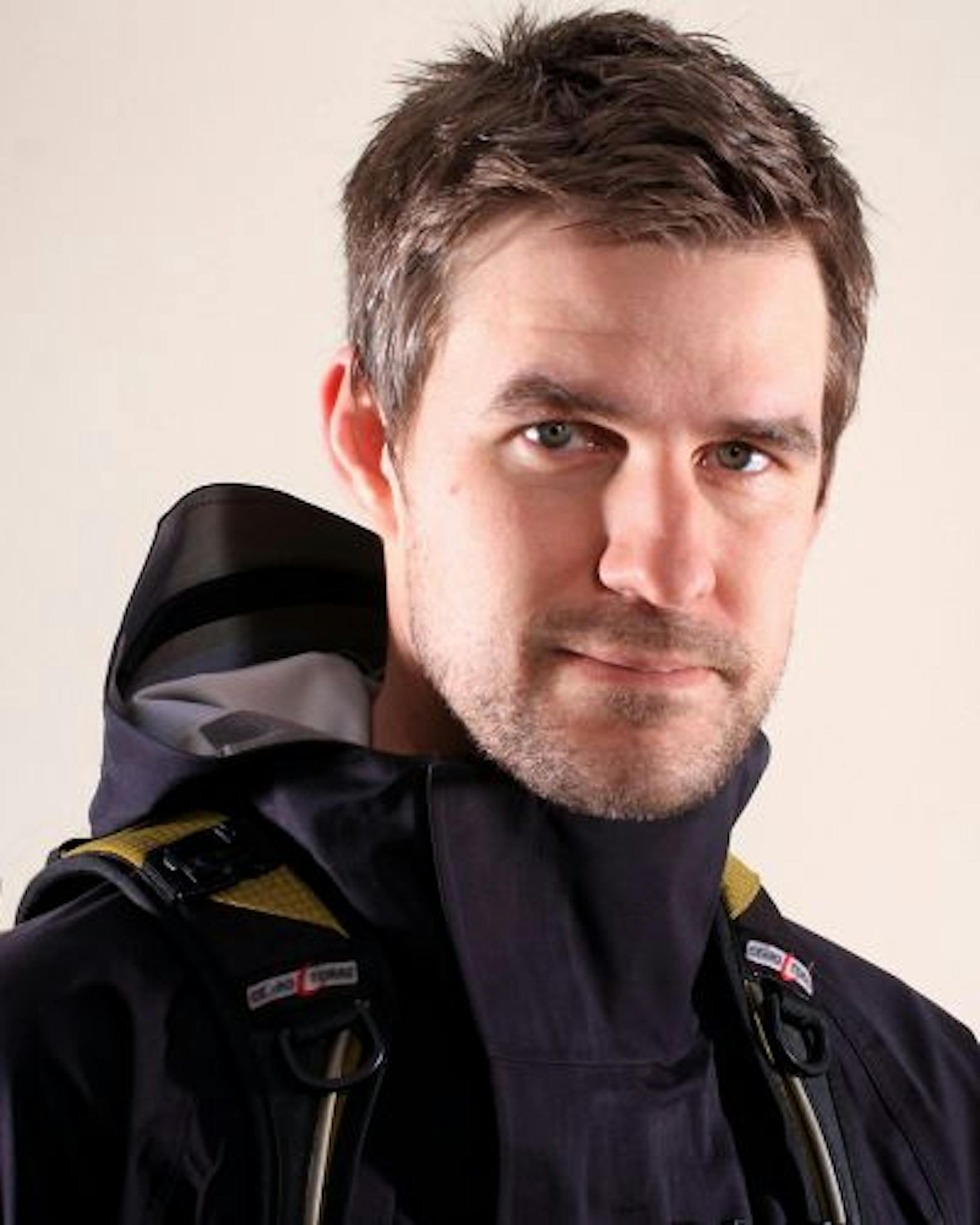
It is midnight on the flanks of Mount Shasta, an immense stratovolcano in Northern California, and T.C. Worley is huddled in a tent. Wind explodes on the slopes above, gusts and snow slides thundering like locomotives at 10,000 feet. On assignment to photograph climbers on the peak, Worley fights to sleep before a planned 4 a.m. start. A camera body, lenses and batteries jostle in his sleeping bag, freezable implements he keeps close to his warm body.
Worley, 31, is a Minneapolis-based photojournalist whose specialty is adventure travel and the outdoors. From climbing mountains to trekking in search of the world's tallest tree, he makes a living hauling camera equipment to remote corners -- and then trying to capture the perfect shot.
Worley's work has appeared in dozens of travel, sports and outdoors articles for the New York Times. His images are syndicated to publications as diverse as the Washington Post and Taiwan's Taipei Times.
Here are 10 tips -- from common techniques to unorthodox tricks -- Worley offers for burgeoning photographers looking to capture action and scenery in any outdoor scenario.
Account for extreme weather. On Mount Shasta, Worley kept batteries in a pocket next to his body as he climbed, preserving stored electricity that otherwise is zapped by cold. For shooting in precipitation, he sometimes slides his camera into the sleeve of a Gore-Tex jacket, nudging a long lens to the opening at the cuff and shooting with an ad hoc cover.
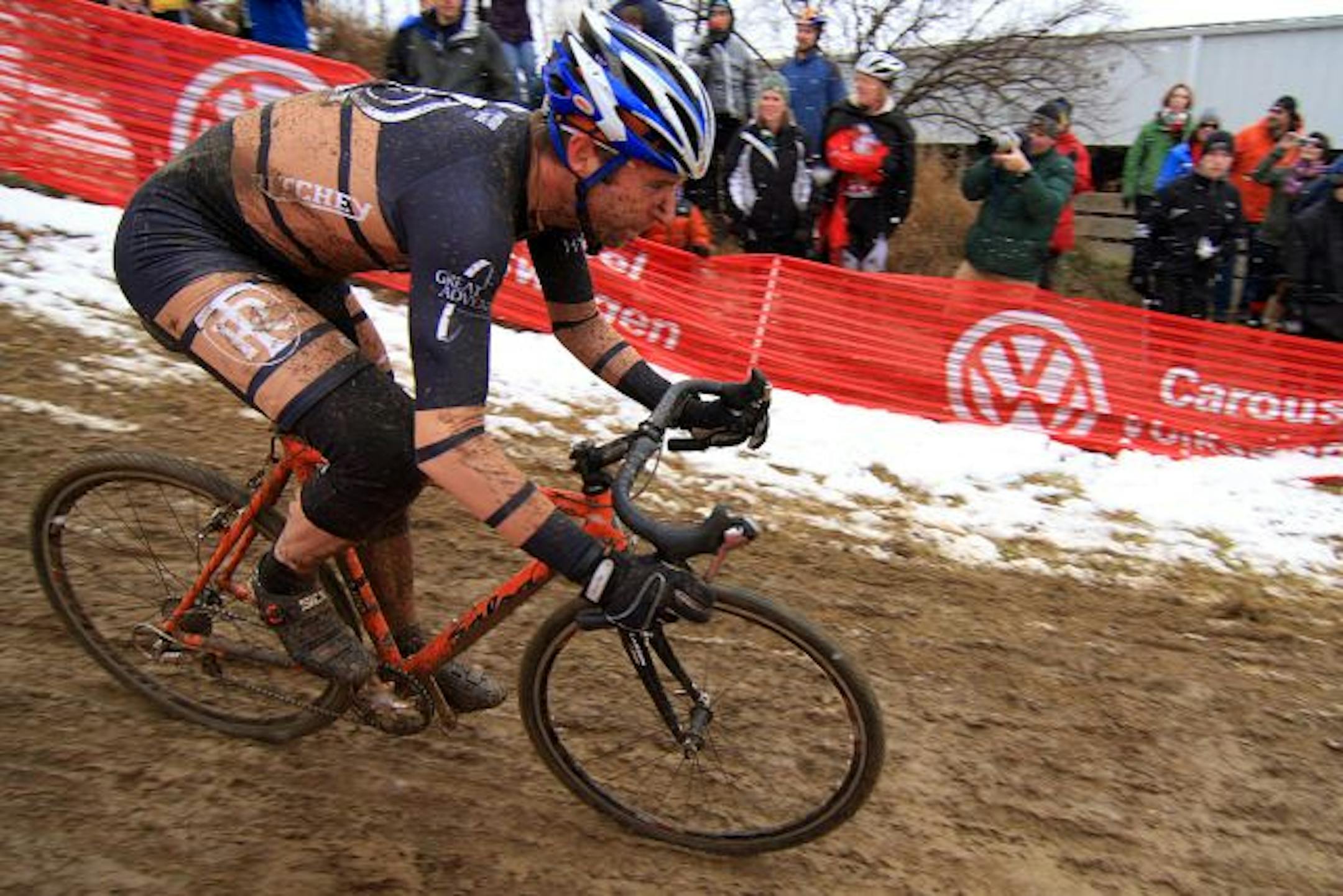
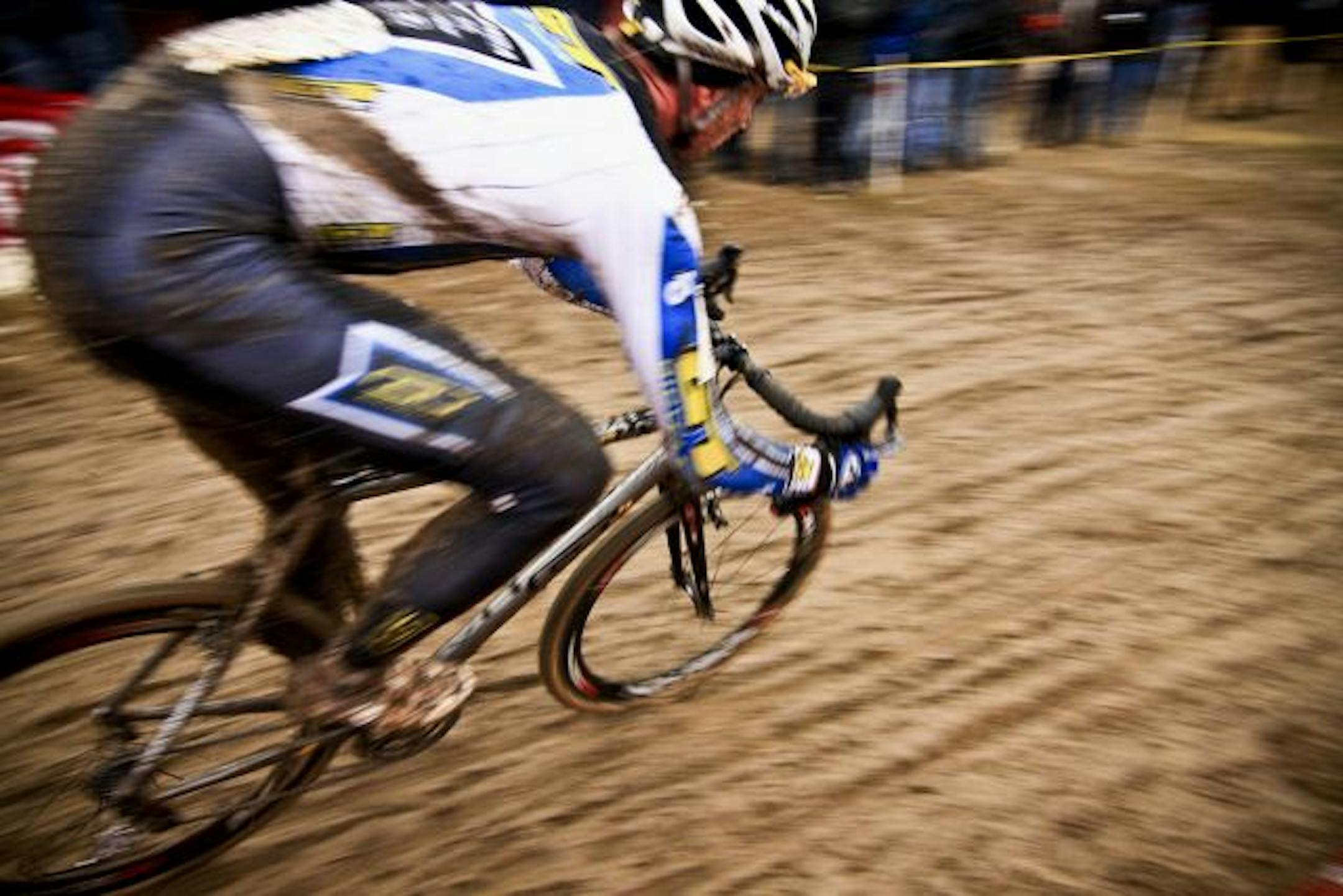
Vary the perspective. Shooting a Nature Valley Grand Prix bike race last summer, Worley noticed a pack of photographers shooting with 300-millimeter lenses -- all essentially getting the same shots. To make his images stand out, he got close and put on a wide-angle lens. "At events, I try not to shoot the same vantage or angle as everyone else," he said.
Make a tripod. When it's dark or you need a long exposure for effect, set your camera on a rock, log or ledge and use the self-timer to take a hands-free shot.
Play it safe. Get a "safety shot," which is an image that, although maybe not the most creative, tells the whole story of the scene or event. "If your kid is skiing, get a simple shot of him standing in his skis before you get creative," Worley said. This can mean using a standard lens before grabbing a telephoto or a wide-angle lens.