I was lying in the intensive care unit of the Cambridge (Minn.) Medical Center in the spring of 1993, waiting to be transported by ambulance to Abbott Northwestern Hospital to treat blocked arteries in my heart. I was 48, about 50 pounds overweight, and had led a sedentary life. I'd smoked for 20 years, but had quit 10 years before this emergency.
After an angioplasty, the insertion of some stents in my heart and three days in a recovery unit, I went home to consider my mortality and the life-altering event that had just happened.
I went to a library book sale a few months after my release from the hospital, and I bought a small paperback: "Ishi, Last of His Tribe" by Theodora Kroeber. That purchase changed my life.
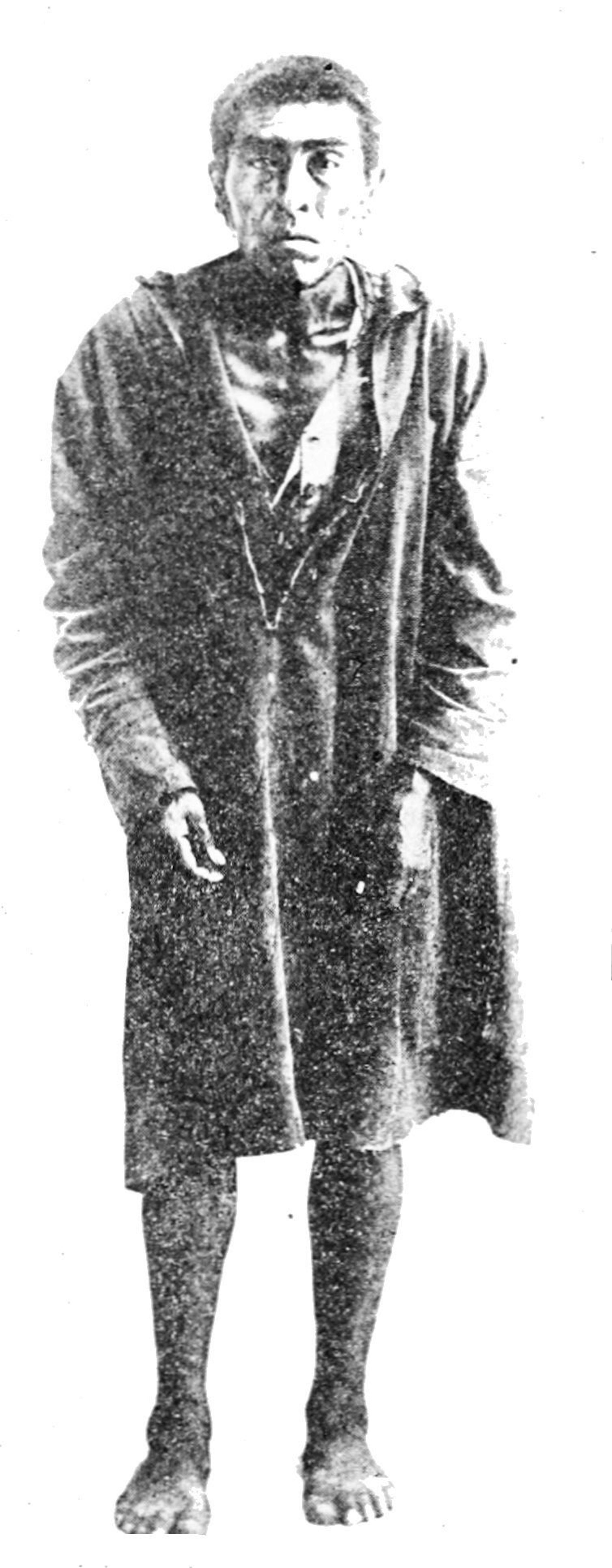
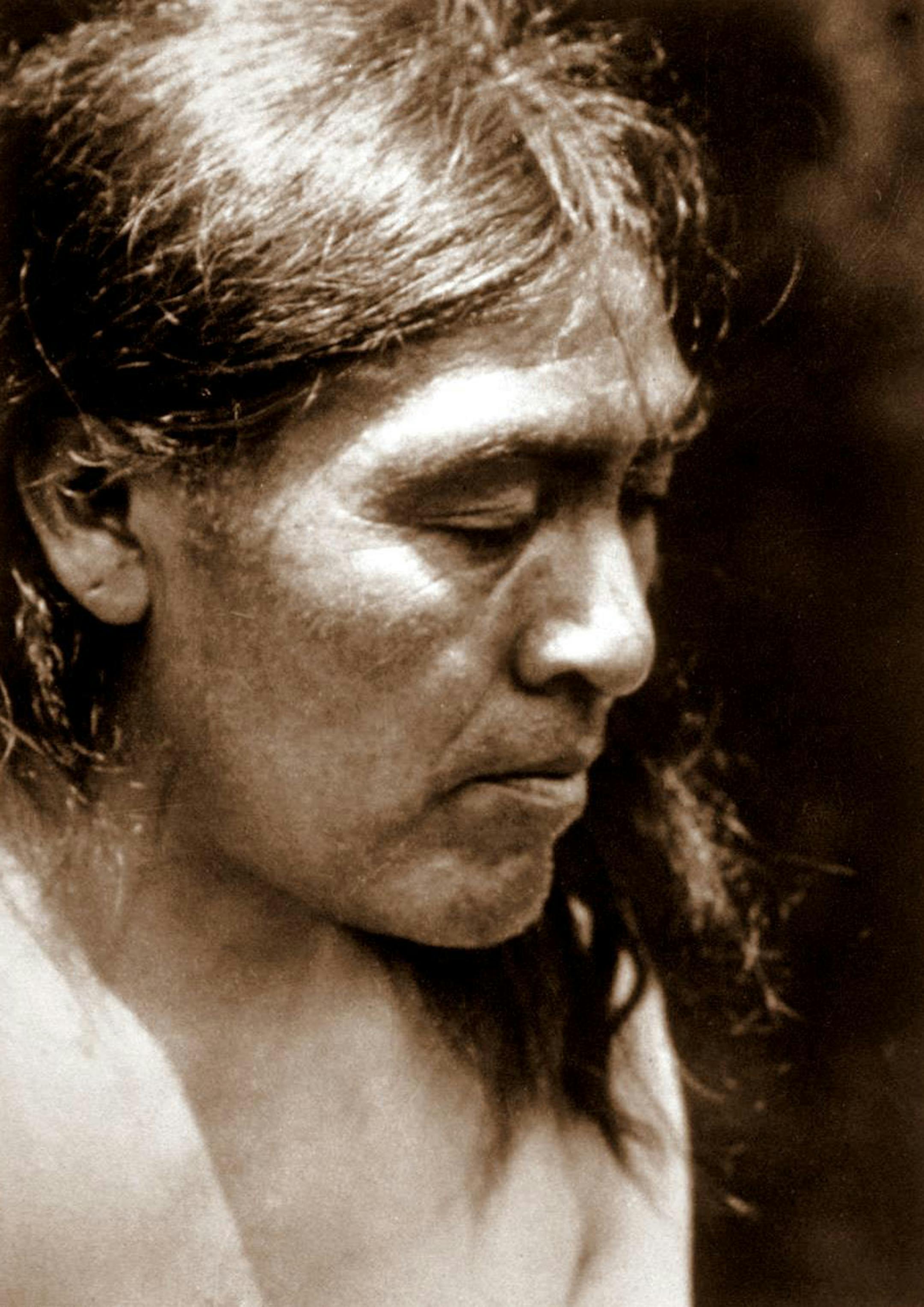
The book was about an American Indian called Ishi who had lived most of his life as a part of a small tribe called the Yahi that had hidden in the mountains of northern California for about 40 years.
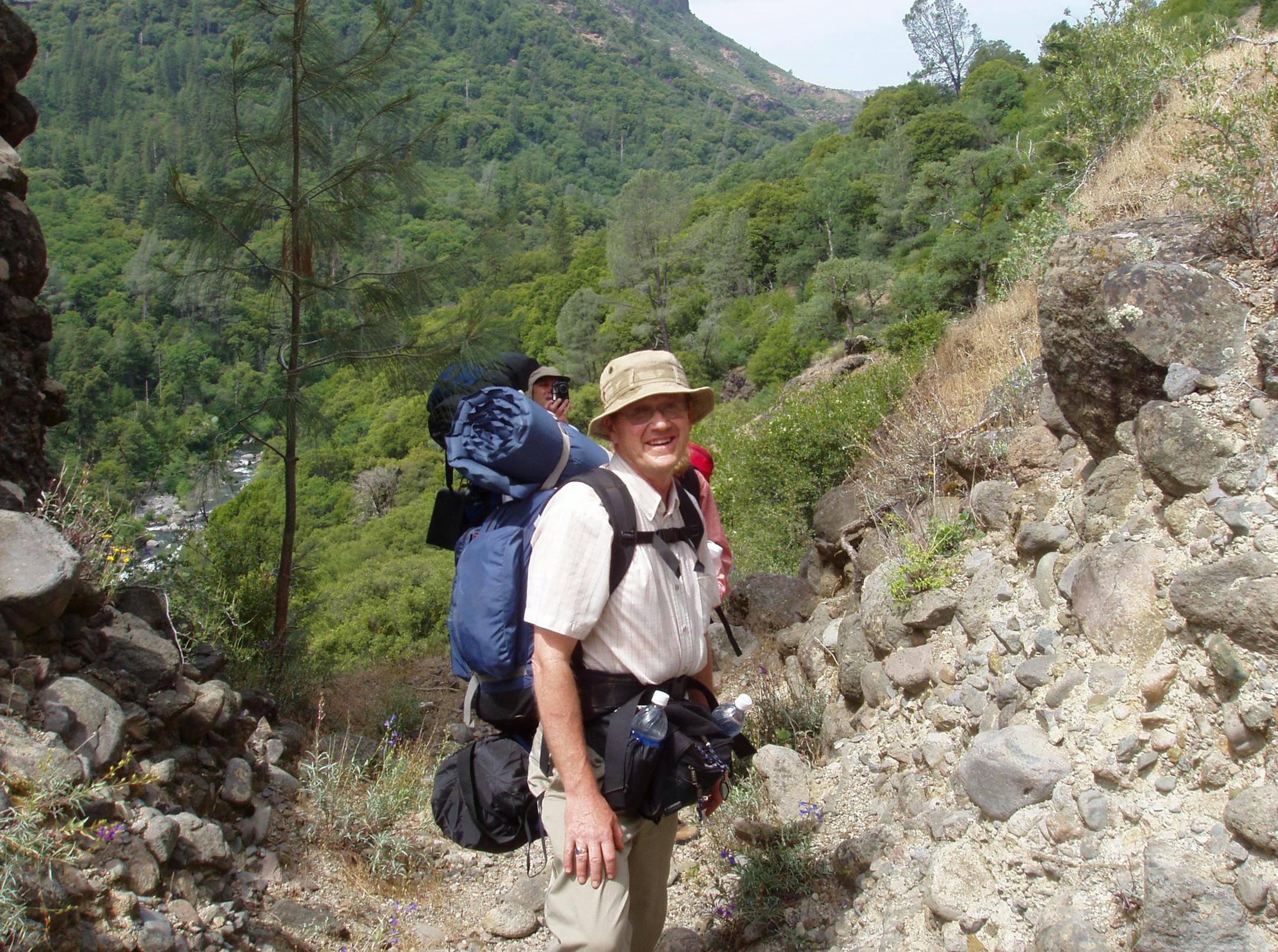
That small paperback absolutely fascinated me. Eventually, it would change me in a way I never thought possible. Ishi's story would motivate me to work for better personal health and with it, personal discovery. His story of survival, adaptation and adventure pulled me out of an introverted, inactive life and put me into a number of memorable adventures.
Ishi survived for decades alone in the mountains of the northern California.
Ishi had lived a Stone Age existence until he was "captured" in 1911. He was the last of his tribe. The Yahi had been slowly eliminated by massacres and disease. Books say every person in his small tribe eventually died while they were hiding from the white settlers, who would kill them on sight, and there was no one left who spoke his language or knew his customs.
Ishi used a bow and arrow and spear, and shaped (or "flintknapped") points from obsidian and other materials.