Changes in COVID-19 activity in the next week could dictate the course of the pandemic in Minnesota and whether society can reopen beyond partly filled churches and restaurant service on patios, state health officials said Tuesday.
Cases of the infectious disease are expected to increase following the May 18 end of Gov. Tim Walz's 51-day stay-at-home order. But it is unclear whether that will happen at a manageable pace or with a surge that challenges hospitals already seeing their intensive care beds fill up.
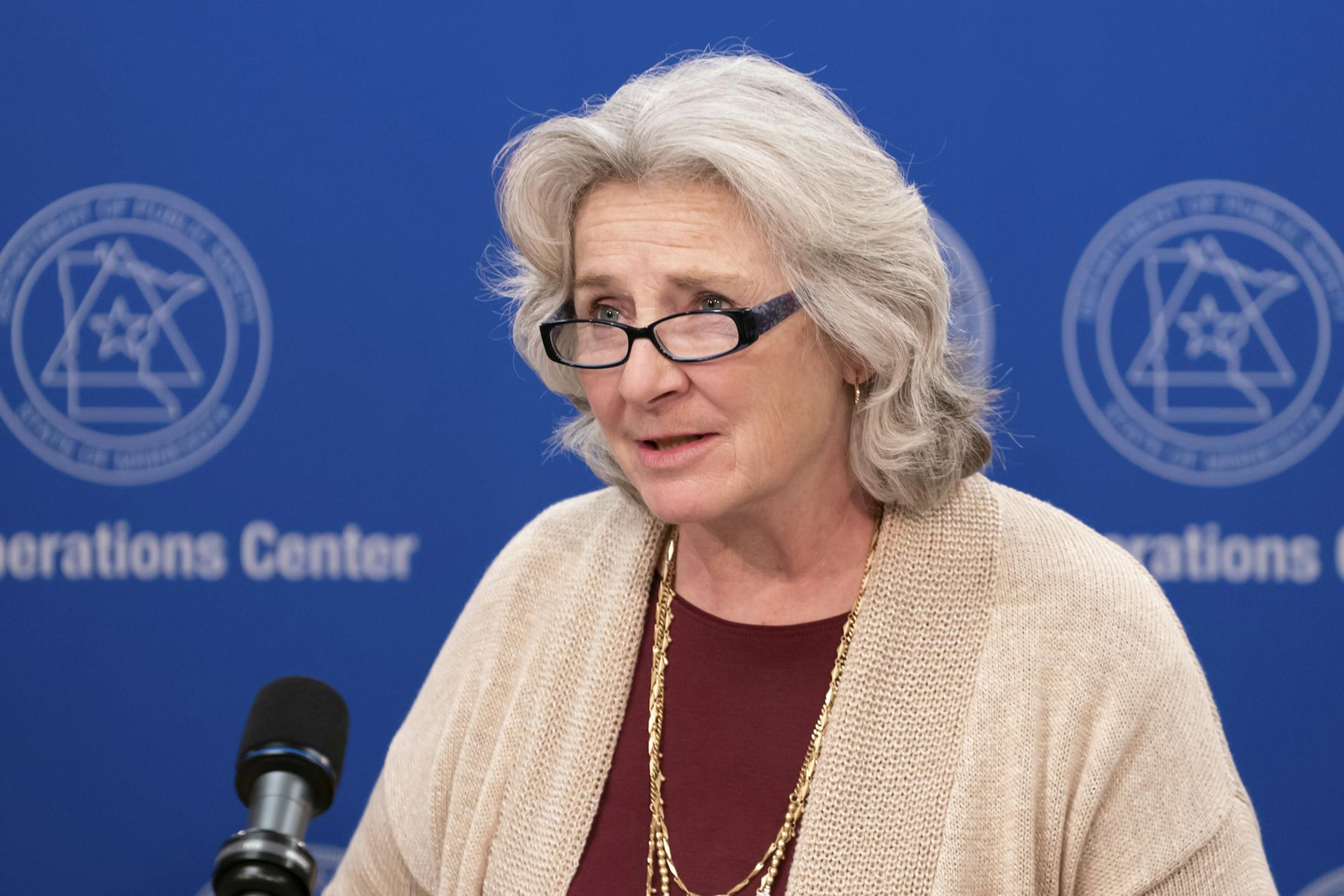
"We are in a pretty volatile phase in the curve," said Jan Malcolm, state commissioner of health. "With these numbers going up and down, and [use of] hospital capacity seeming to … accelerate, we really feel like we need to keep a very close eye on the data."
Statistical indicators offer differing takeaways. The 258 people with COVID-19 needing intensive care as of Tuesday was a record high for Minnesota so far in the pandemic, which has caused 899 deaths — including 732 deaths among residents at long-term care facilities.
At the same time, the number of days at which COVID-19 cases are doubling in Minnesota has dropped to 18, even as diagnostic testing has increased.
Health officials warned that it is too soon to assess any impact of ending the stay-at-home order. Even if that move increased face-to-face contact and disease transmission, the incubation period can last several days after infection before symptoms emerge.
Public adherence to social distancing could chart the direction of the pandemic, especially as people have more opportunities to interact with others — including the resumption of church services. An agreement brokered between clergy and Walz allows services for up to 250 people or 25% of building capacity beginning Wednesday. And bars and restaurants can begin service on patios Monday.
The next phase under consideration by Walz would be to allow indoor dining at restaurants, gradual reopening of public swimming pools, and doubling the limit on social gatherings to 20 people.