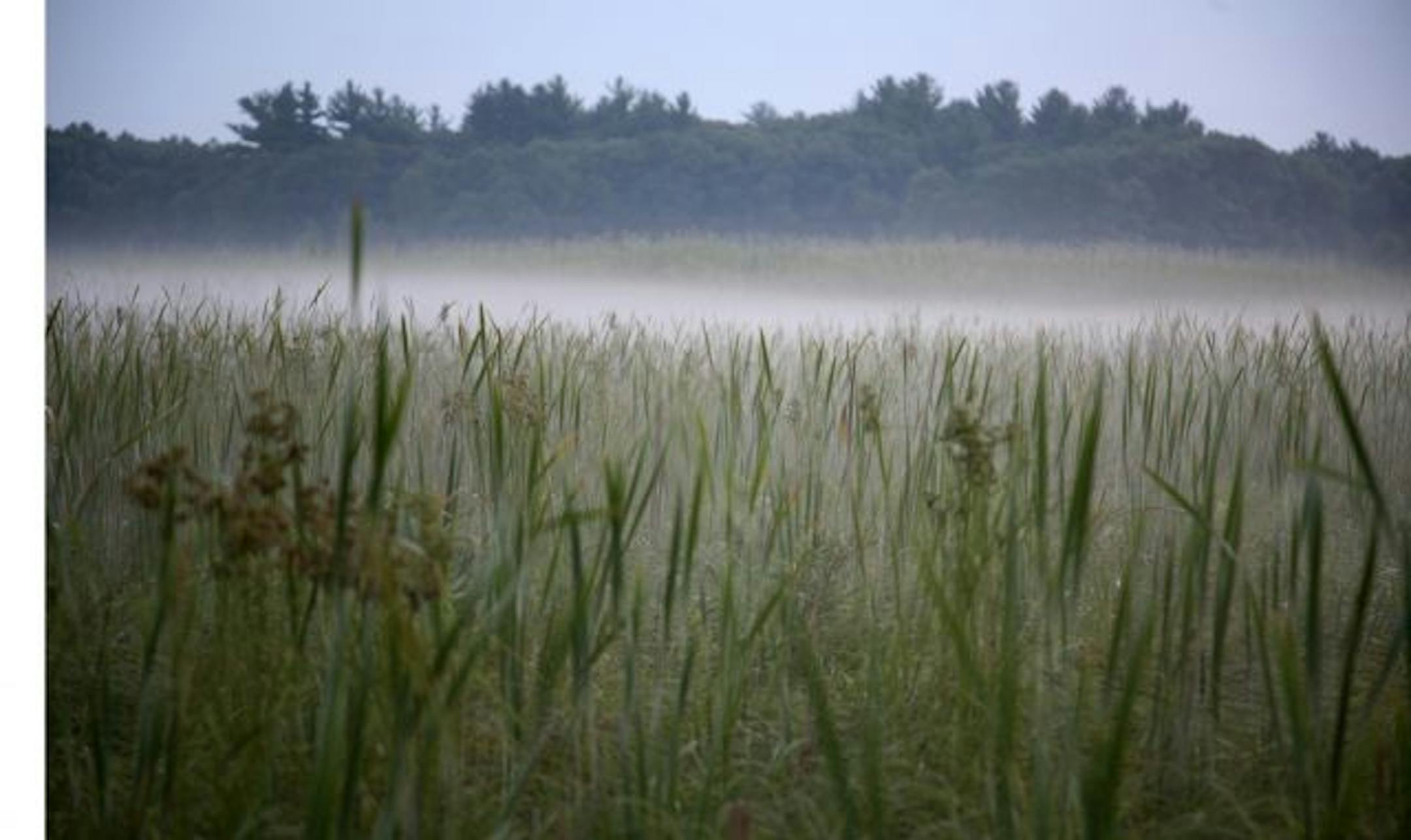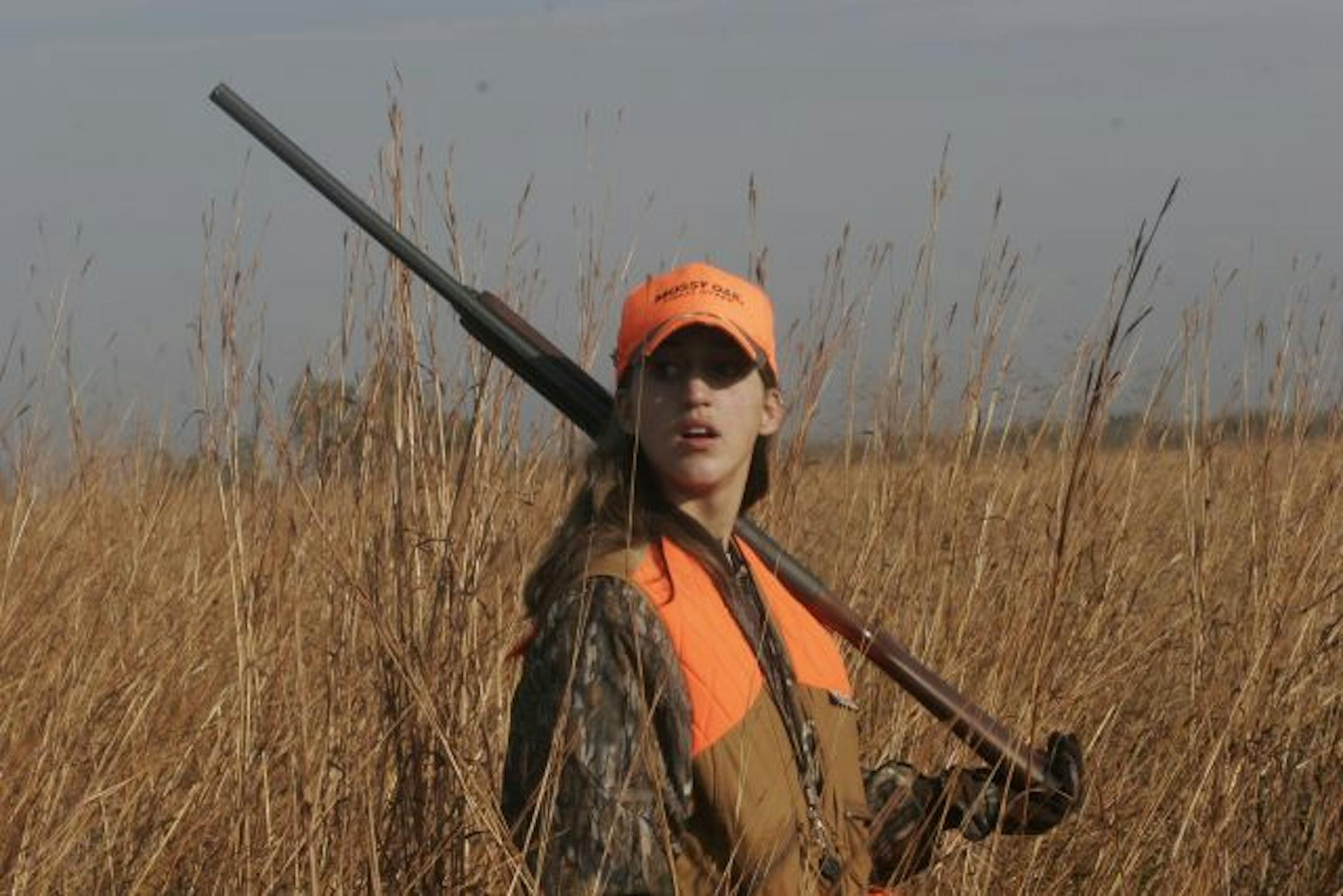
Minnesota's wildlife management area system -- nearly 1,400 public areas totaling 1.3 million acres of habitat around the state -- is treasured by state hunters.
Each fall, the public lands are tramped by thousands of hunters. The lands also provide prime habitat for non-game wildlife, such as songbirds and swans.
Those public prairies, wetlands and forests also are open for trappers, wildlife watchers, photographers and others who seek wild places. And the lands also prevent erosion and improve water quality.
Since the system started in 1951 under the "Save the Wetlands" program, it has been slowly growing as the state and conservation groups add additional parcels. A citizens committee comprised of conservation group members recommended in 2002 that the state acquire 700,000 additional acres over 50 years -- including 200,000 in the first 10 years -- to meet rising demands for wildlife and recreation by a growing population.
The goal isn't being met. During the past 10 years, the Department of Natural Resources has acquired 51,000 acres of WMA lands, either through purchase from willing sellers or donations, at a cost of $62 million.
Concerns clashing
But increasingly, some legislators, county officials and farm groups are questioning the state's policy of acquiring lands. Their concerns clash head-on with hunting and other conservation groups, who say land acquisition should remain a key component of wildlife habitat preservation.
Among those expressing concern recently over land acquisitions: