

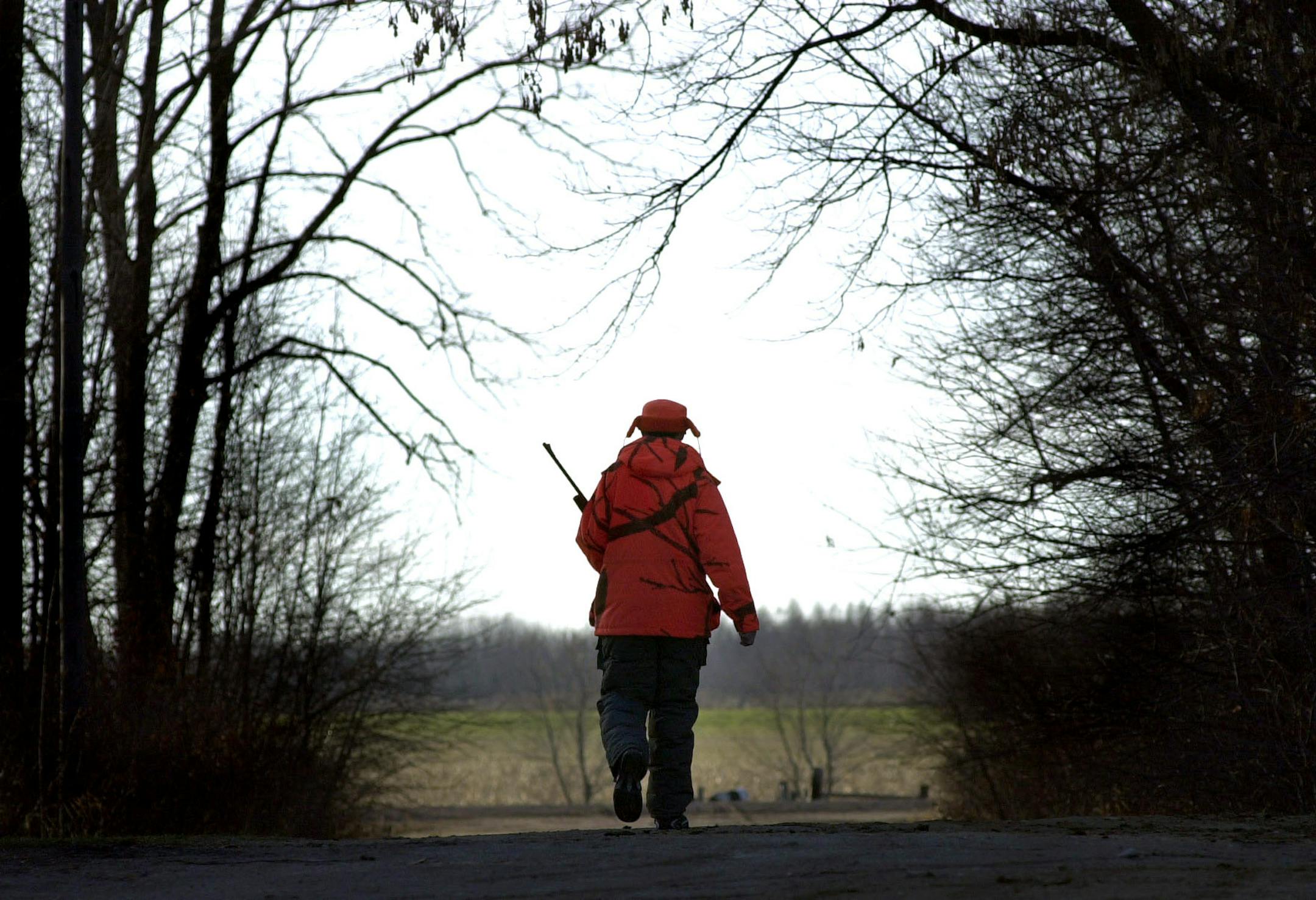
The big buck cautiously sniffs the air before venturing down the trail. Gun ready, the hunter waits for the right moment …
This is the daydream of any deer hunter who loves spending time in the woods during Minnesota's deer season.
The daydream, though, is under threat. Like any natural resource, Minnesota's forest habitat is being squeezed by development. Meanwhile, the quality of the state's water is being compromised by erosion and runoff. Even though Minnesota benefits from a large portion of protected county, state and federal lands, private forest ownership is an equally important but often overlooked piece in Minnesota's conservation puzzle.
More than 40 percent of Minnesota's forests are privately owned, according to Gary Michael, the state's Private Forest Management Coordinator for the DNR. "Private landowners who actively manage their woodlands are vital to not only fish and wildlife populations but to the forest products industry and forest health," he said.
Many of these landowners love to hunt. They are willing to pay property taxes on remote lands with poor access. They put up with rutted roads. They work hard to plant trees or thin their stand in an effort to enhance habitat and keep development to a minimum — all for the chance to get that buck.
Managing private forestlands
"It's been a labor of love for over 20 years," said Denny Suelflow of Sauk Centre of his 120 acres. "The DNR's Woodland Stewardship plan showed us which trees to cut and which to plant to enhance the land for wildlife. They also helped with the cost of building two ponds without inhibiting our creeks or swamps. We now have more deer, turkeys and wildlife than were here when we bought the land. And we are still able to operate an elk farming operation on the property."
Mark Herwig, editor of the Minnesota-based Pheasants Forever and Quail Forever journals, owns 44 acres of woodland near Duluth. Like Suelflow, Herwig manages his land in cooperation with public agencies, yet he still manages to profit financially from his ownership.
"I had 10.5 acres harvested in March on four different locations," Herwig said. "This has increased edge, established dense, secure deer cover and increased use by deer, turkey, bear, grouse and woodcock as well as non-game species. The cut was done in cooperation with a private logger and the National Resources Conservation Service."


