

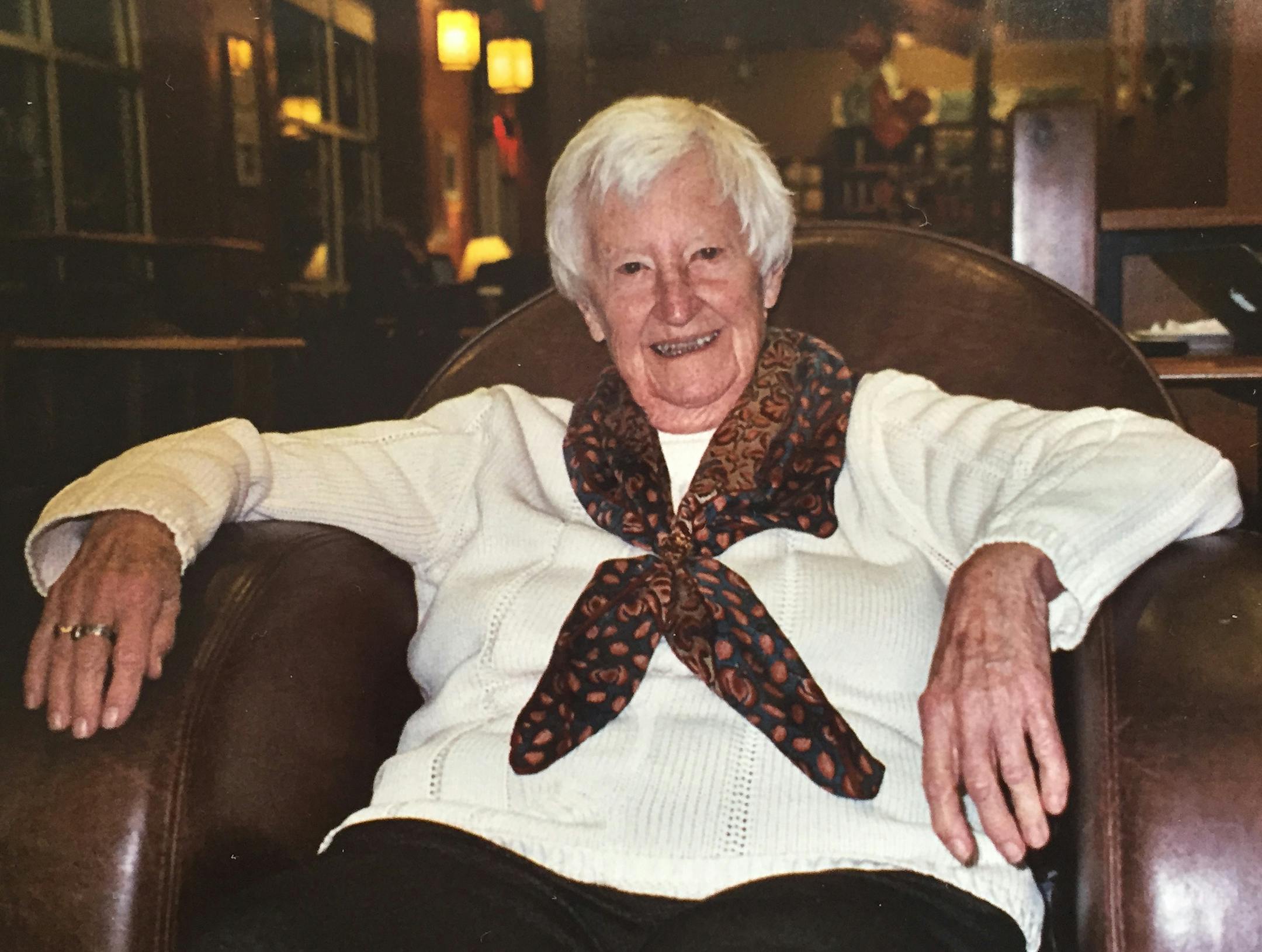
As a child, Marilyn Cuneo dreamed of leaving home to travel the world. As an adult, she worked to bring the world back home.
Through several incarnations, she was a lifelong educator and activist for women, peace and human rights. As a supporter of the arts, her work often focused on issues related to the plight of women in foreign countries, from human trafficking to the availability of clean water.
With her husband, she was instrumental in bringing after-school Spanish classes to local schools and in advancing Pan-American issues through events and organizations like those that would later become the Festival of Nations.
Cuneo died of cancer on July 13 at her home. She was 91.
Family members recall that she always considered herself a world citizen, and it would generate a complicated response when people asked her ethnicity. She felt that, if the planet was going to survive, people had to honor their nationality but not let it create exclusivity or conflict.
"You could just feel a certain energy; that things happen to you in your life," a daughter, Deborah Cuneo-Sullivan, recalled. "You see things as an adventure. Instead of getting weighed down by them, you do the best with what you've got and you kind of believe that life is going to give you what you need."
A descendant of the Merritt family, which has been credited with discovering the Mesabi Iron Range, she nonetheless grew up in a family in Minneapolis that struggled financially during the Great Depression. Voraciously curious, she developed a passion for the idea of world travel.
At one point during high school, she dreamed of becoming a foreign correspondent. At 17, she entered the University of Minnesota and began studying Spanish. It was there that she would meet her future husband, Santiago Cuneo, an Argentinian-born professor.


