

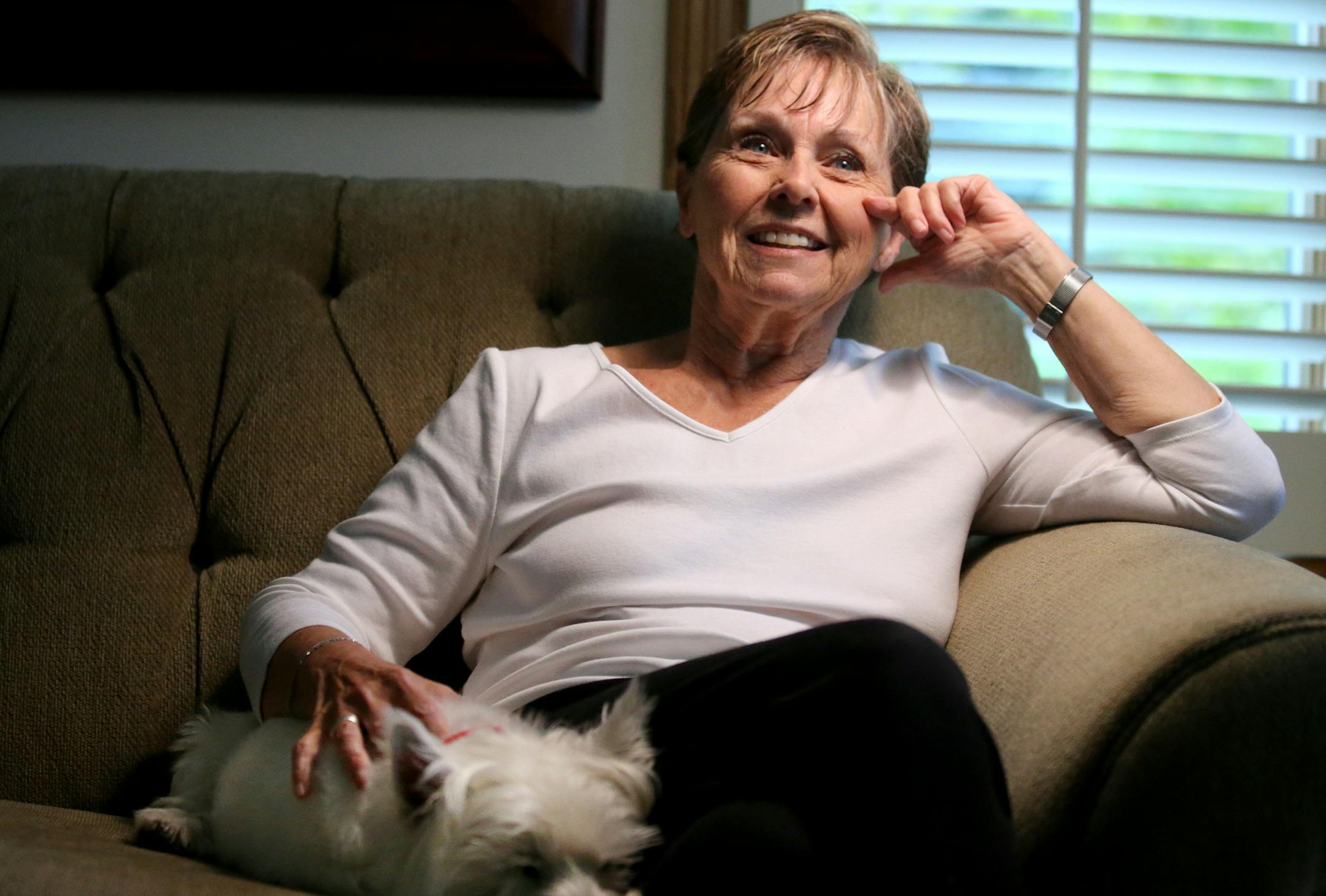
We who have spent decades in the workplace might be finding things more confusing than usual. In the MeToo and Kavanaugh-Ford era, how much emotion can we carry in the door? Is it OK to compliment a colleague's haircut or tie? And what if we witness or are the victims of harassment, bullying or discrimination? Susan Strauss has seen it all — in workplaces, colleges and K-12 schools. Heartening, though, she's seen organizations that work for everyone. Strauss, of Burnsville, is founder of Strauss Consulting, where she conducts trainings, serves as an expert witness, and speaks on harassment nationally and internationally. Before returning to school at 55 for a doctorate in organizational leadership, she worked in management and as a registered nurse. At 19, she went into a hospital room to change the dressings of a man with industrial burns. He grabbed her and lifted her on top of him. She pushed herself off and went right to her supervisor, who said, "Well, don't go back in there." She shares, in contrast, what real workplace advocacy looks like.
Q: Do you get the sense that working people are feeling confused about what's OK to say and do?
A: The MeToo movement and the Kavanaugh confirmation have caused things to bubble up, but it's not as dramatic as you might think. I have an HR consultant friend in my hometown who has been telling companies down there that they really need to start doing harassment training. He was talking with three women managers about it and they said, "Oh, we don't have a problem with that. We don't need to do this." But this is about establishing a healthy workplace. This is about prevention. Still, my phone has not been ringing off the hook. And some employment lawyers are telling me that they're seeing only minimal complaints coming forward.
Q: Does that speak to the real problem of women, and some men, being afraid to come forward?
A: Oh, heavens yes. Look at what happened to Dr. [Christine Blasey] Ford. Women, and men, are afraid of retaliation, are afraid they won't be believed, will lose their job, be scapegoated, won't get the promotion. They're afraid people will turn on them.
Q: Clearly, somebody needs to step up and say such treatment will not be tolerated. Who should that be?
A: The champion has to be the CEO, COO and board. You might have an HR department, but they often don't have the necessary clout. Unless the CEO or COO devotes time, energy, money and staff to it, you won't see systemic change.
Q: I was relieved to hear that you see many healthy companies. How do they earn that description?


