

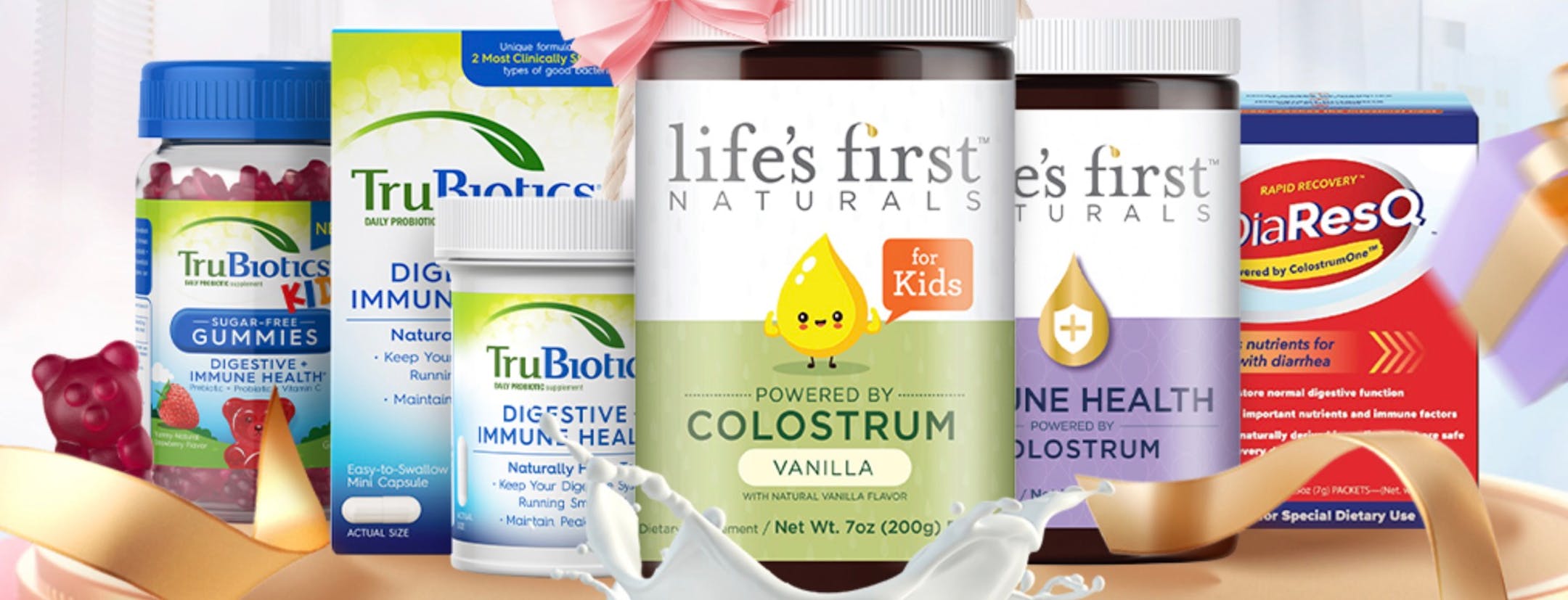
Probiotic supplements have grown into a multibillion-dollar industry, spurred by claims that the products will populate your gut with bacteria that can boost your health in numerous ways.
But beware of the hype: In healthy people, probiotic supplements offer little benefit, and they can potentially do more harm than good.
Studies show that taking probiotic supplements — for overall health or to counter the effects of antibiotics — can alter the composition of your microbiome and reduce the levels of microbial diversity in your gut, which is linked to a number of health problems.
Probiotic supplements come in the form of capsules, gummies, powders and pills that contain live microorganisms believed to boost gut health. There is a subset of people who may benefit from taking them, including people with gastrointestinal ailments. Studies have found that probiotic supplements can reduce symptoms of irritable bowel syndrome and inflammatory bowel disease. They can prevent traveler's diarrhea and reduce some side effects of antibiotic medications.
But for most people, more reliable ways are available to nourish your gut microbiome.
First, eat a variety of vegetables, nuts, seeds, beans and whole grains, which provide gut microbes the fiber-rich fuel that they need to thrive. Researchers have found that eating fermented foods such as yogurt, sauerkraut, kimchi and kefir, which contain probiotics and other beneficial compounds, have positive effects on your health and gut microbiome.
Your gut microbes are part of a vast ecosystem of bacteria, viruses, archaea and fungi located largely in your colon. People who harbor diverse gut microbiomes tend to age more healthfully and develop fewer diseases.
These microbes thrive on the fiber found in fruits and vegetables, turning it into new compounds or "postbiotics," including butyrate, acetate and other short-chain fatty acids that appear to be exceptionally good for your health.


