

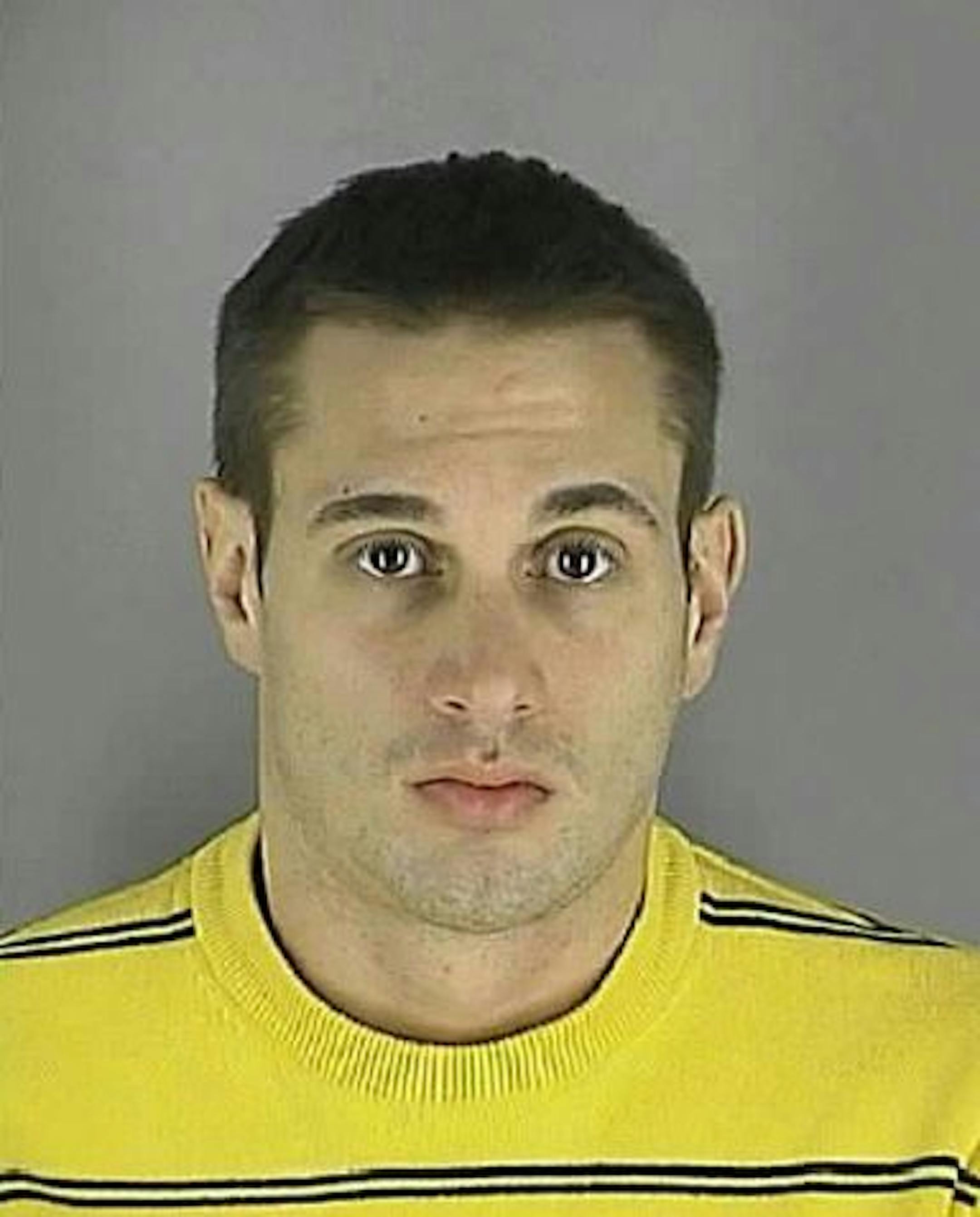
A Minneapolis man convicted of exposing a sexual partner to HIV may not spend any time in prison.
Daniel James Rick, 30, was ordered to serve five years on probation, a sentence that wasn't well received by either Hennepin County prosecutors, who asked that the "psychopathic" Rick be sentenced to four years in prison, or Rick's own attorney, who maintained his client's conviction for attempted first-degree assault was unconstitutional and vowed to appeal.
Hennepin County District Judge John Stanoch, who imposed a stayed four-year sentence Monday, also agreed to withhold a six-month term in the Hennepin County workhouse until the appeal is completed. Rick currently is on probation following a conviction for third-degree criminal sexual conduct for having sex with a 15-year-old in Sherburne County when he was 28.
Stanoch acknowledged that the first HIV transmission case to go to trial raises many questions for the Minnesota Court of Appeals, including how to interpret the 16-year-old state statute under which Rick was convicted last month. According to charges, Rick met the victim at the Saloon Bar in May 2009 following an online chat. The two eventually went to Rick's home, where they had sex without using condoms. According to prosecutors, Rick did not disclose that he had tested positive for the AIDS virus, but jurors believed Rick's contention that he did share that information with the man. Rick was convicted of attempted first-degree assault because there was no proof the victim contracted the virus from Rick, who has tested positive for the virus for five years.
Hennepin County Attorney Mike Freeman was unequivocal about his disapproval Monday. "Judges have hard jobs, we have hard jobs," he said. "Rarely do we express our disappointment. We are doing so today."
Freeman said the outcome will not affect prosecution of two similar cases, in which Rick is charged with three more counts of attempted first-degree assault and third-degree criminal sexual conduct. He was charged nearly two years ago with raping a drunken man after a night out in downtown Minneapolis, transferring the virus to him. The publicity from that case led two men to come forward the next month who accused Rick of not disclosing he had the virus when he had sex with the partners he met over a website. One of the men contracted the virus, while the other did not.
Rick's attorney, Landon Ascheman, said he plans to fight the constitutionality of the statute that resulted in Rick's conviction as an interference with his right to privacy.
"What people want to do in their own homes they should be allowed to do in their own homes," he said.


