

Opinion editor’s note: Strib Voices publishes a mix of national and local commentaries online and in print each day. To contribute, click here.
•••
Now that inflation seems to be largely tamed, another threat has sprung up in its wake: the misguided notion that politicians can and should deal with high prices by capping or controlling them.
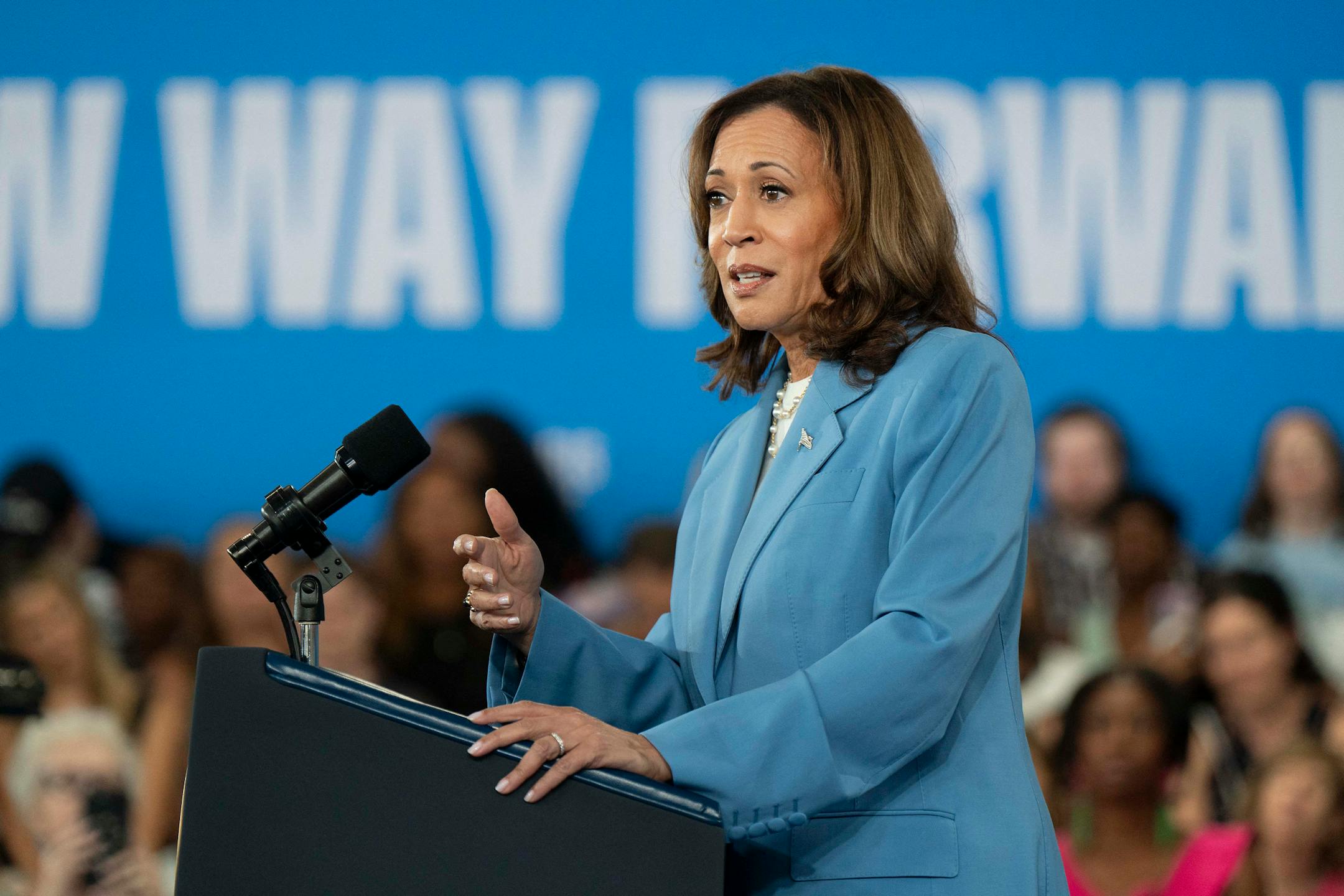
Both parties are guilty of this economic misconception. President Joe Biden released a plan in July that would set a cap on certain rents. Vice President Kamala Harris wants the government to decide when food and grocery prices are too high. Most recently, former President Donald Trump assured supporters he’ll cut their credit card interest rates to a maximum of 10% “for a period of time.”
Voters shouldn’t be fooled, and the candidates should know better. In a free market, prices respond to supply and demand — if prices are arbitrarily capped, suppliers exit the market and consumers hoard more than they need. Goods may be cheaper, but they’ll also be scarcer.
These not-so-complicated lessons have been learned many times. To take just a few examples: Decades of rent control in New York have helped make it one of the least affordable cities in the United States. The Netherlands, with the highest proportion of rent-controlled homes in Europe, is facing a housing shortage of crisis proportions. Rents soared in Argentina in 2021 immediately after the government passed a law that would cap them; when a new president reversed course, empty apartments flooded back onto the market.
Volumes of academic studies, over many years, have buttressed these real-world examples. The solution to high rents is to increase the supply of housing, both by offering incentives to developers and by encouraging local communities to loosen restrictive zoning. (To their credit, both presidential campaigns have at times embraced policies that would boost supply.)
A similar dynamic prevails with groceries. The jump in food prices during and immediately after the pandemic has led politicians to blame retailers when the real culprits were commodity costs, supply-chain disruptions and staff shortages. Harris says she’ll ask Congress to pass a federal ban on corporate price-gouging on food and groceries during emergencies, pointing to similar laws in effect in 37 states.


