

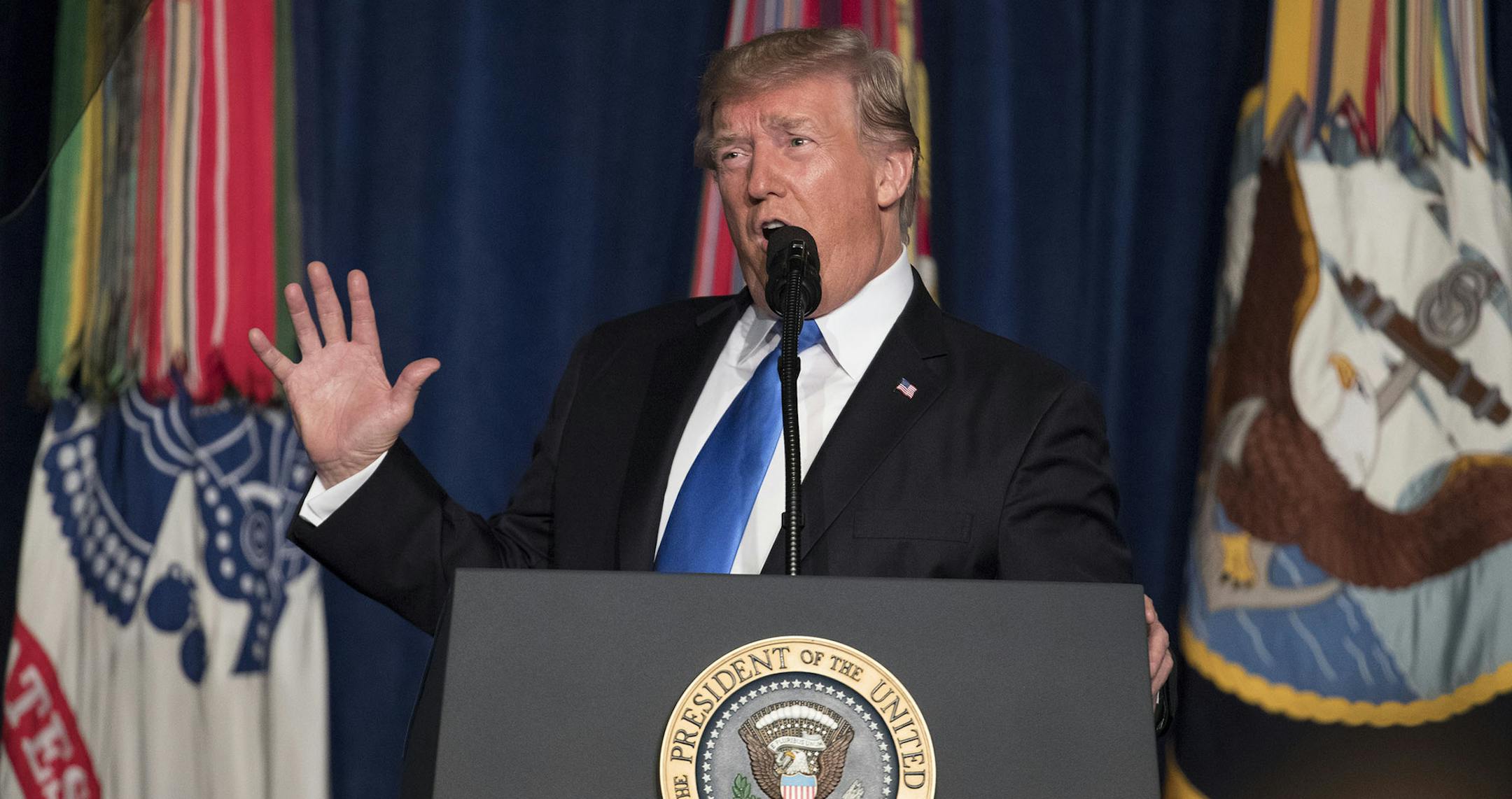
President Donald Trump is planning to kick off one of the most important sales pitches of his presidency this week — getting Americans fired up about rewriting the U.S. tax code.
But there's no plan to sell.
Basic questions remain unanswered. Will the changes be permanent or temporary? How will individual tax brackets be set? What rate will corporations and small businesses pay?
Instead of providing details that could help build support, the president will largely rely on the same talking points he and his advisers have highlighted since January: The middle class deserves a tax cut and businesses need changes to help them compete with global rivals.
Treasury Secretary Steven Mnuchin — who earlier predicted having a tax bill done by August — revealed the enormousness of the task ahead on Friday: He didn't commit to completing it by year's end.
"They're nowhere. They're just nowhere," said Henrietta Treyz, a tax analyst with Veda Partners and former Senate staffer. "I see them putting these ideas out as though they're making progress, but they are the same regurgitated ideas we've been talking about for 20 years that have never gotten past the white-paper stage."
Treyz said congressional tax staffers she's spoken with are despondent over what they call an unexpectedly grim situation. There's "animosity" between Republican leaders and their members, and between House and Senate Republicans, she said. Mistrust between congressional Republicans and Trump has been exacerbated by his recent attacks on key GOP senators.
"Our team has been working with the White House and the Senate to ensure we are all moving in one direction to reach this important goal," said Emily Schillinger, a spokeswoman for House Ways and Means Chairman Kevin Brady.


