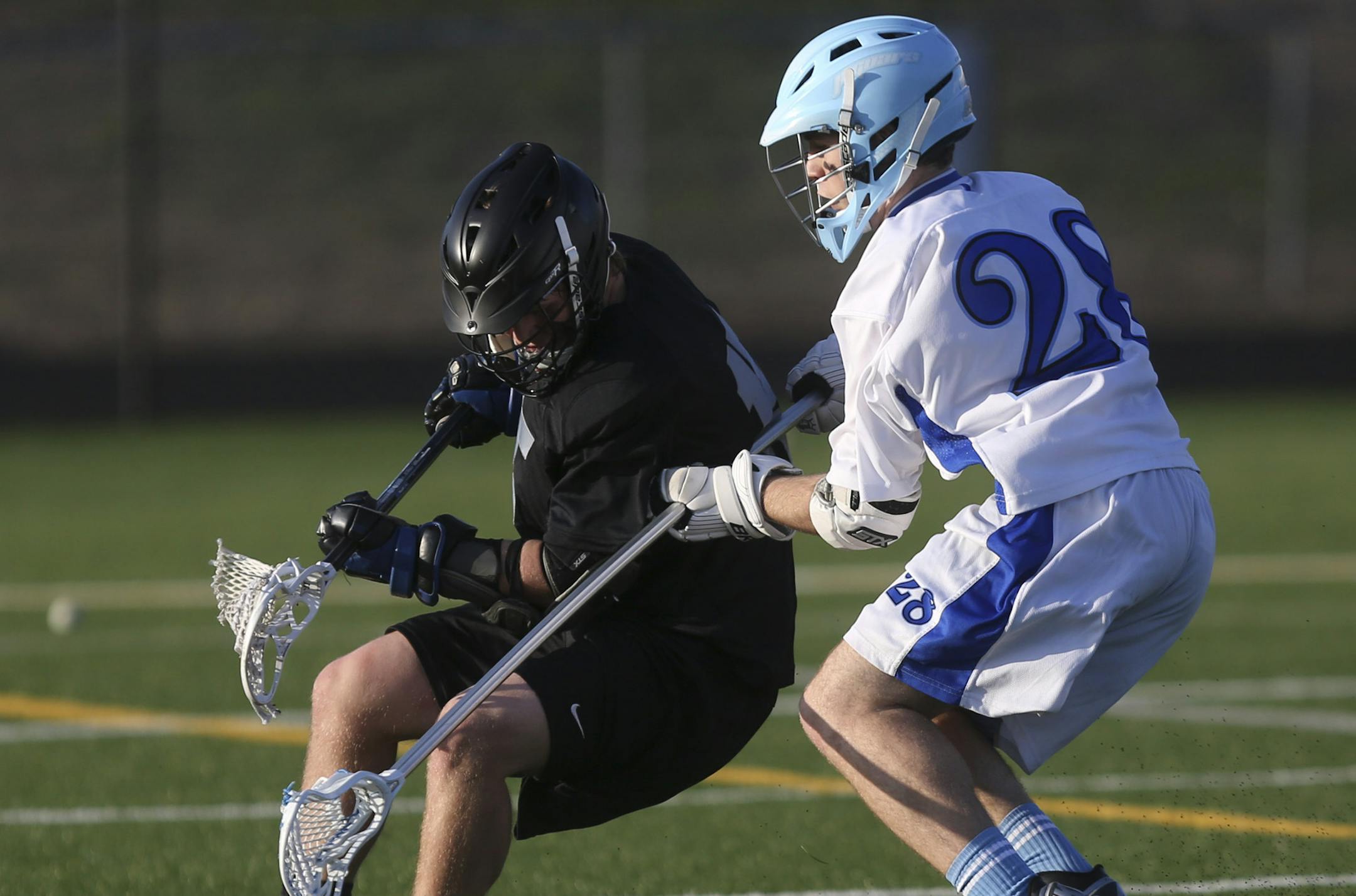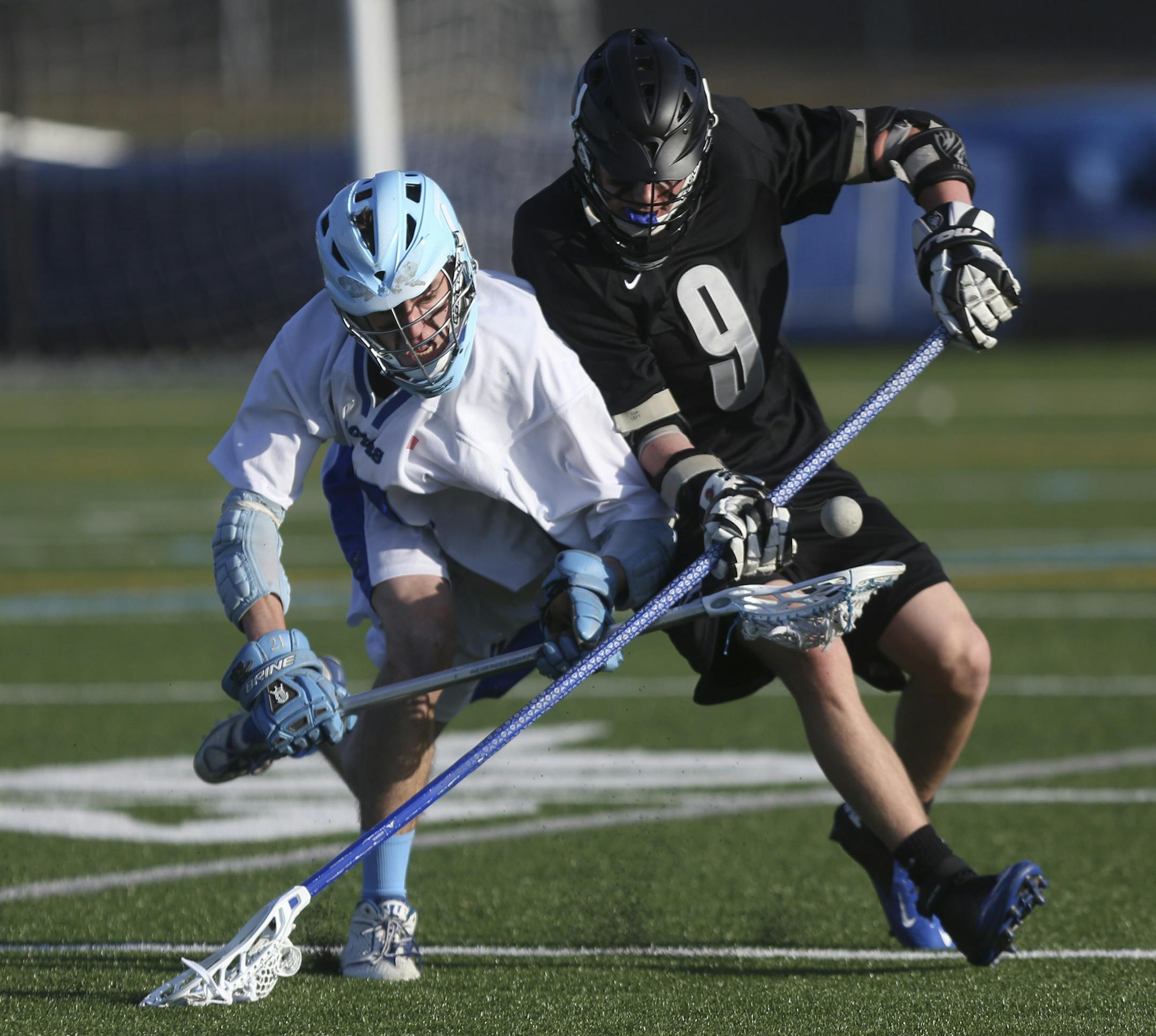
When the Delano boys' lacrosse team took the field for pregame warmups last week, they wore mismatched shirts and shorts, displaying a disparity in school funding that runs deep through the state's newest and fastest-growing varsity sport.
Three funding levels exist for Minnesota's boys' and girls' programs, coaches said. Small percentages of the 67 girls' and 63 boys' programs get full funding for essentials such as coaches, transportation and game officials, while others such as Delano get no school assistance. In the middle are the majority of teams, which getting partial funding.
As a result, coaches said, the playing field is unequal.
That overall field continues to grow, from a combined 82 boys' and girls' teams five seasons ago to 130 this spring. The state tournament this spring will expand from four to eight teams. But even as the lacrosse community celebrates its growth, subdivisions are taking shape.
One of them includes schools such as Delano, where fundraising to pay for the essentials left coach Dan Willette's program short on extras such as matching warmup gear, team bags and jackets. His Tigers, who lost two games in the past two seasons of club lacrosse, opened their season at Stillwater, a team in the second funding tier with the added perk of having a domed field available at the nearby St. Croix Valley Recreation Center.
Willette said his players practiced indoors this spring at the Delano Area Sports Arena. But the team could only afford to lay turf on half of the arena floor. Stillwater won 14-7 but Willette said playing in the Minnesota State High School League is worth the challenges.
"We felt at a bit of a disadvantage but the boys played well," Willette said. "When they step on the field, they are going to be competitive. Everything comes from that. We got to see what we need to fix, and we will look to get better."
Lower-level teams bear brunt
At the other end of the funding spectrum is Prior Lake, which fully funds coaches, busing and game officials for all lacrosse teams, from varsity to B-squad. But most schools fall into the middle ground, including successful programs such as Eden Prairie, which provide partial funding. Only the varsity and JV teams get those items paid for, leaving teams to raise funds to support its lower-level squads.