

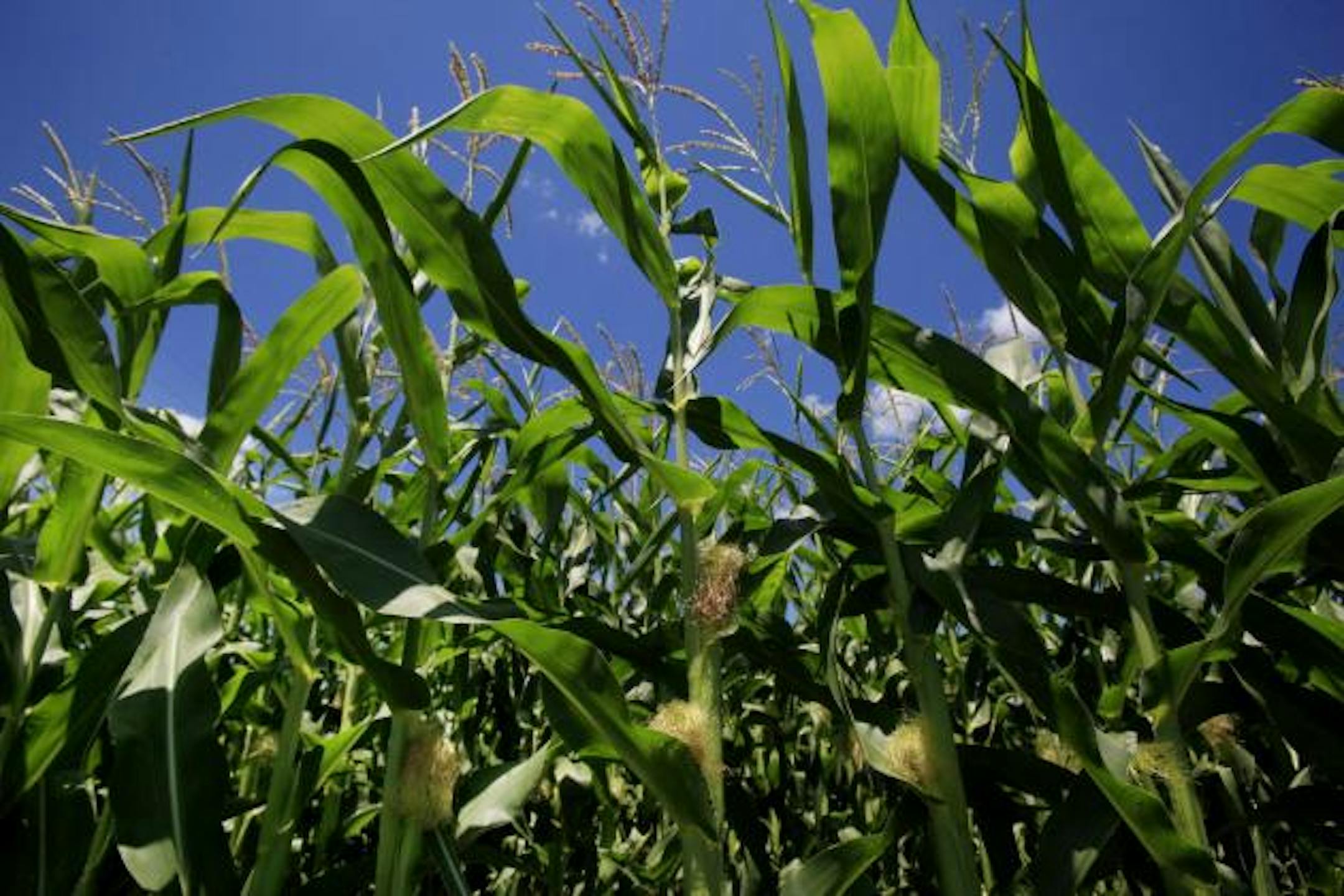
Call it the great corn rescue of 2012.
Big ripe ears of Minnesota sweet corn destined to become Green Giant niblets were instead going to be wasted. With a bountiful harvest this month, the cannery simply couldn't process it all.
Then a new campaign -- handiwork of local food relief groups and corporations -- swung into action, quickly moving the corn from the fields to the food banks. "It's beautiful corn, and it only lasts for a period of time," said Ellie Lucas, chief campaign officer for Hunger-Free Minnesota.
The immediate result: 600,000 pounds of corn was transformed into 465,000 meals eaten by people in 10 states. The bigger picture: success for a pilot program that can, it is hoped, be replicated in the widespread battle against hunger and food waste.
When costs are measured as a percentage of income, Americans have the cheapest food on the planet. Choices seem boundless, maybe too boundless given that Americans are also among the planet's fattest people.
Yet hunger remains an issue, more so since the Great Recession's onset. The U.S. Department of Agriculture reported this month that 6.8 million, or 5.7 percent, of American households last year had very low "food security," a step back to 2008 and 2009 levels.
Globally, North Americans waste the most food, according to a 2011 study for a United Nations agency. And the U.S. Environmental Protection Agency says food makes up the greatest share of this nation's municipal waste, often rotting in landfills and emanating a potential greenhouse gas.
There's growing awareness among food relief groups and food corporations that working together can make a dent in hunger and waste. Hence, efforts like the sweet corn rescue.


