

Kathleen Vohs is obsessed with money. Not acquiring it, but studying what the pursuit of it does to us.
Her groundbreaking research is motivated partly by her own experience with money, a not-exactly-rags to relative riches story.
After toiling as a post-doctorate fellow on meager salaries for three years, Vohs landed a faculty position in 2003 that brought a significant bump in income.
Subtly but suddenly, her lifestyle changed. She stopped asking friends to give her rides to the airport and took taxis. Then she hired a personal shopper. "It was really weird. [Having money] ends up changing the way you live your life in ways that are not totally expected," said Vohs, now an associate professor at the University of Minnesota's Carlson School of Management. "You don't make a ton of money, you're not on yachts or things, but you start making different choices. I became more independent and less interdependent."
Vohs discovered that little research had been done on "what happens to people's minds in the context of wealth." Dozens of experiments with thousands of subjects later, Vohs, 38, is an internationally renowned, oft-published expert on the powerful psychological effects of money.
Some tests have involved money directly -- handling clean, crisp dollar bills vs. soiled cash at a farmer's market, or being in a room with stacks of Monopoly money -- but most are "super subtle," she said. What's consistent are the findings: Subjects with money on their minds are self-sufficient, self-focused and anything but selfless.
"In all of our experiments, people who are reminded of money are really good at pursuing goals," said Vohs, "but they're not that interpersonally kind or warm. They're kind of standoffish, keeping in their own head, not interested in being friends with anyone."
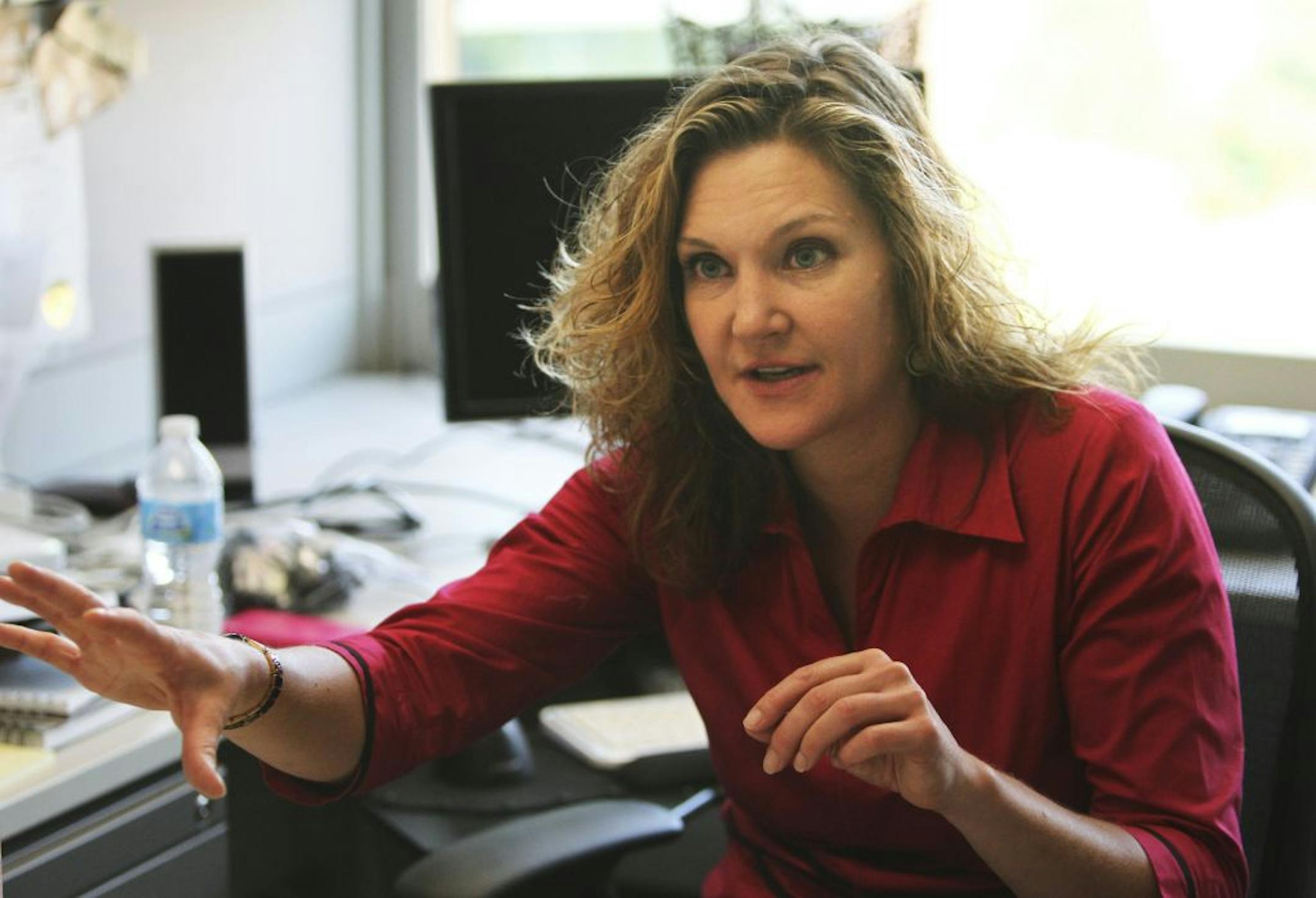
Vohs gestures with her hands while talking almost breathlessly, her mind clearly whirring along even faster than her hands or vocal cords. "So what you get are high-motivated people who are not very socially sensitive," she continued. As in antisocial? "Nope. Antisocial suggests things like they're actively pushing people away. It's more like they're siloed."

