

Domestic reds are all the rage today. Meanwhile, a country that specializes in these wines struggles to get a toehold in the wide, wild world of wine.
Granted, these are a different kind of red blend, usually lacking the residual sugar and other additives that have made Apothic and Ménage à Trois megapopular with millions of consumers who, as the trade catchphrase goes, "talk dry and drink sweet."
And granted, the grapes in these wines bear distinctly unfamiliar names: touriga nacional, tinto roriz, castelao and the like.
We're talking Portugal, and more people should be.
The reds emanating from this Iberian nation are distinctive, usually bold and rustic and almost always drier and sturdier than the most popular U.S. red blends, the fruit and tannins melding with an earthiness that evokes their origins.
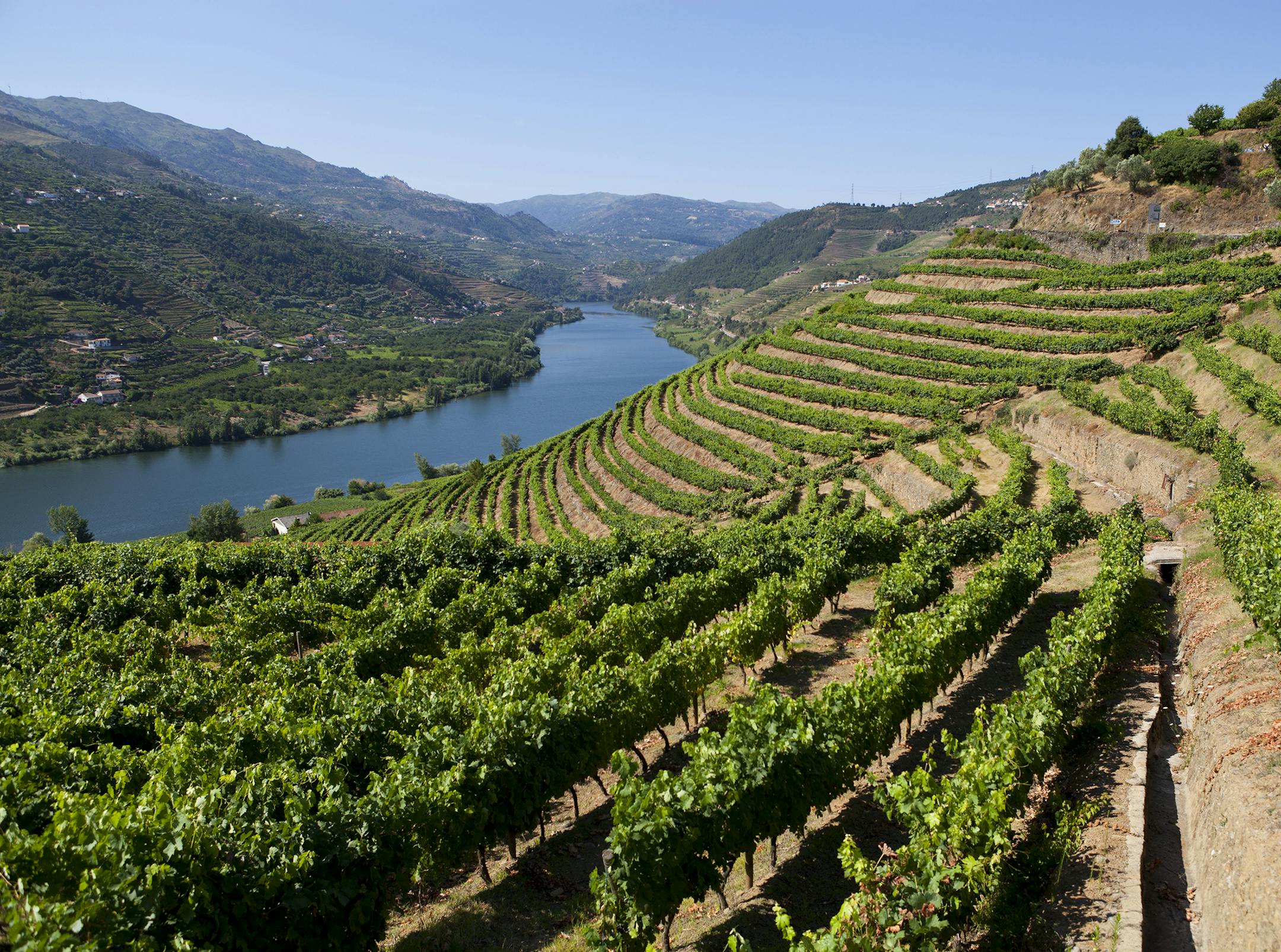
The better ones often come from the striking terraced vineyards of the Douro region, with others from the nearby Dao district. In many cases, the obscure-to-us grapes are scattered hither and yon within the same vineyard, creating a true "field blend."
Over the years, most of the Douro vineyards have gotten a lot more money for grapes used to make the fortified Port wines, so the grapes that went into the table wines sometimes were second-tier. But with vastly improved agricultural practices and winemaking techniques, the red "still wines" have improved markedly in the 21st century.
The better news: These wines don't cost any more than the trendy domestic reds.


