

It all began with a Mrs. Fields cookie, or rather, its recipe. It was the late-'80s, long before the Internet, and Todd Wilbur, a TV anchor, had seen a chain letter about the cookie.
If you're a person of at least a certain age, you may know the letter that circulated. It went something like this: "Psst. Mrs. Fields charged me a bundle for her recipe for chocolate chip cookies. Now I'm going to pass it on for FREE!"
Curious, Wilbur tried the recipe. It was terrible, and certainly no replication of the cookie maven's namesake. (If you remember the chain letter, you may also recall the many stories that circulated about it and others like it: The letters were frauds. No company ever charged to give out a recipe.)
Wilbur figured he could build a better recipe. So he bought a cookie, took it home, and started to tinker with the recipe. It didn't take him long to develop what he considered to be a good duplicate, or in the parlance of today, a "clone."
Then he got to thinking: There were plenty of other recipes from restaurants and food companies that might be of interest to home cooks. No one seemed to be working with clones at the time, so he thought he'd experiment, never mind that he wasn't a food scientist or trained chef. (Note to readers: When you think of a new idea that no one else is doing, follow Wilbur's lead and experiment. His success story should be required reading for food entrepreneurs today.)
In 1993 he came out with the first of nine cookbooks, which together have sold more than 4 million copies, helped by the considerable marketing power of QVC, where he's a bestselling author. (Remember, he was a former TV anchor. He knows how to use the camera.)
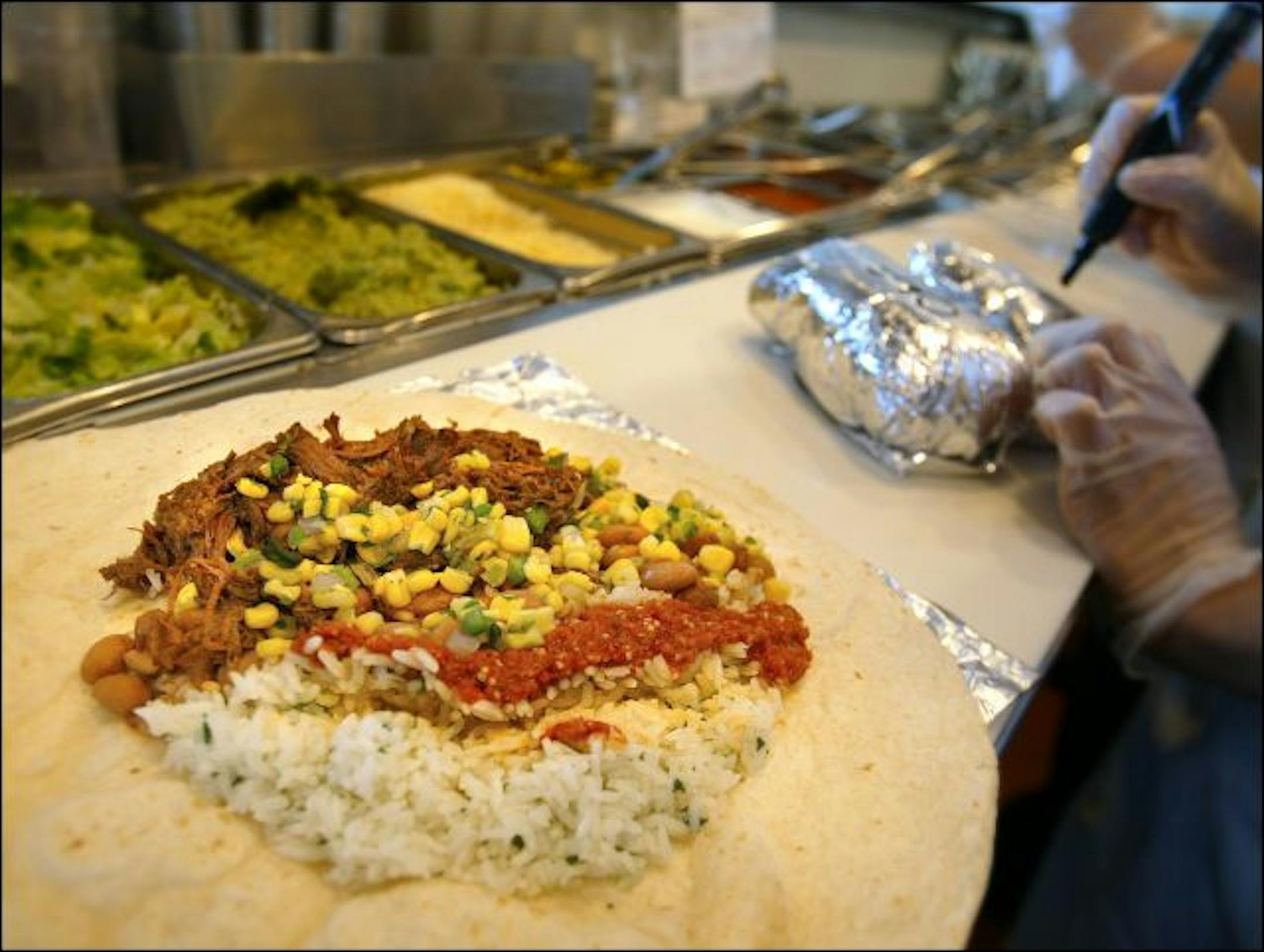
Wilbur's most recent, "Top Secret Recipes Unlocked" (Plume, 265 pages, $15), offers clones of both food products and restaurant items. Earlier books were limited to one or the other. This book has his version of the Chipotle barbacoa burrito and Pepperidge Farm soft-baked snickerdoodle, as well as a lot of Starbucks recipes (drinks and pastries) and Stouffer's macaroni and cheese; there is even a Krispy Kreme glazed doughnut recipe.
Pay attention to his caveat, found on each recipe: These are his versions. No, he did not abscond with any secret formulas. No spies were involved, though there was modest espionage: "Can you tell me what ingredients are in this item? I have allergies," Wilbur has been known to say to waitstaff when he's scouting out potential restaurant recipes. When restaurants don't make their food from scratch, which is true at many chains, the ingredients are all clearly given on their original box.


