

WASHINGTON – The federal government could not have stopped the meltdown in steel prices that just cost 1,100 Iron Range workers their jobs.
But as northeast Minnesota reels from a savage hit to its economy, several members of the state's congressional delegation say regulators could have materially softened the blow if they had enforced rules against illegal steel dumping.
"Sanctions for illegal steel dumping don't work," said Rep. Rick Nolan, D-Minn., who represents the Iron Range. "By the time the process is complete, the damage is done."
Nolan sought to drive that point home along with Democratic Sens. Al Franken and Amy Klobuchar at a recent White House meeting.
At issue are two things: One is the monthslong investigative process to determine if a country is illegally dumping steel in America. The other is an array of enforcement problems that allow dumping to continue even when the federal government tries to punish those responsible.
In interviews with the Star Tribune, Klobuchar, Franken and Nolan all acknowledged that normal market forces — especially a significant drop in steel use in China — caused steel prices to crash, leading to major job losses in Minnesota and other iron ore producing states.
But each emphasized the need to make the U.S. regulatory scheme more effective to reduce the pain of such unavoidable downturns.
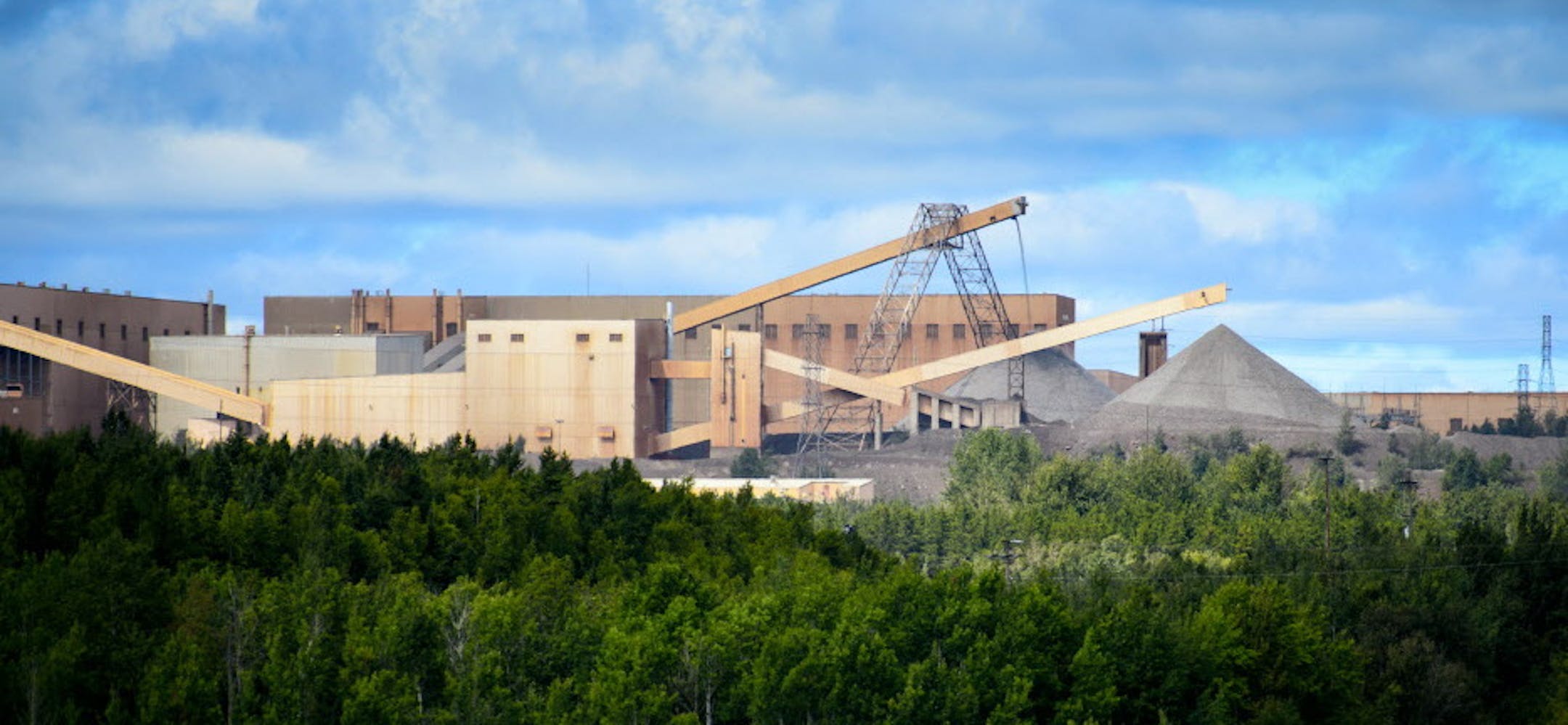
In Minnesota, U.S. Steel has announced that by June it will idle part of its Mountain Iron operation, affecting 700 workers, as well as its plant in Keewatin, affecting another 412 workers. Magnetation LLC also is closing a Keewatin operation, affecting 20 more jobs.


