

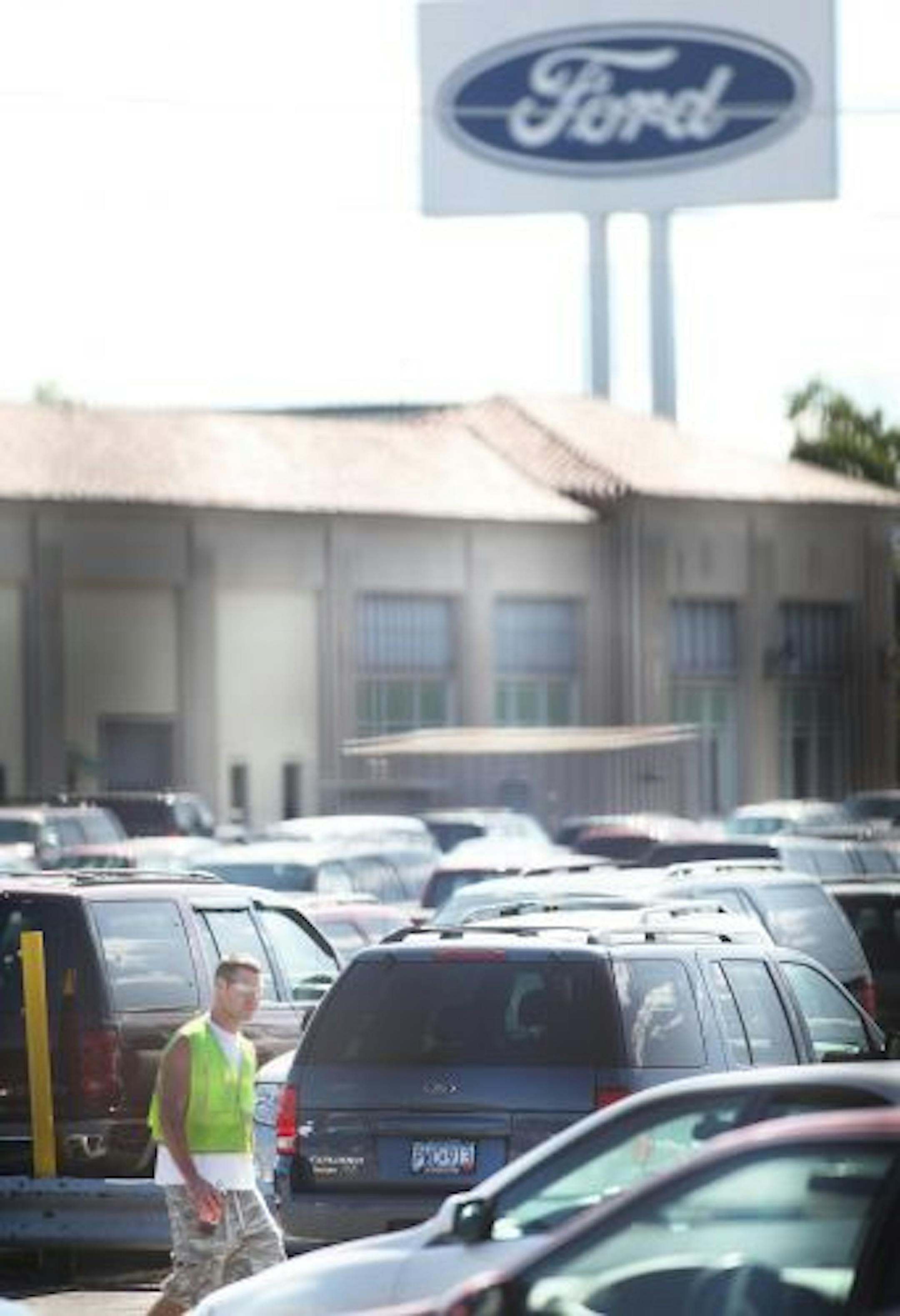
Gov. Tim Pawlenty and St. Paul Mayor Chris Coleman could have saved the airfare to Detroit earlier this week, because there was no way even a resurgent Ford Motor was going to revive the St. Paul truck plant that's gong to shut down when Ford ends production of Rangers next year.
"Nobody in this administration knows anything about auto plants and what they need," said Fred Zimmerman, a veteran of industry and retired manufacturing professor at the University of St. Thomas. "To have an economic development program ... and I've been around Democratic, Republican and the Ventura administration, you need people with industrial backgrounds or staff who know about it."
Zimmerman has long warned that Minnesota and America have ceded their vital manufacturing base.
"Since 1980, Minnesota has built one plant of 500,000 or more square feet and that is the now-closed ADC Telecommunications plant in Shakopee," he said. "Tennessee built 20. Foreign companies are building plants in Indiana. Ford said it wanted to be nearer to its supply chain, but that's just an excuse."
Ford signaled its iron-clad intentions in 2009 to close the plant, which has shrunk from 2,000 to 950 employees. Ford hasn't gone into detail on its reasons, other than to say it wants to focus on retooled plants in Michigan, Ohio, Illinois, Missouri and Indiana that can produced several models and that are closest to its suppliers.
Zimmerman points out that the St. Paul plant was at a particular disadvantage because it lacks a on-site metal-stamping plant from which doors, fenders, hoods and other parts can be made from rolled steel. Those bulky components are now shipped to the St. Paul assembly plant from out-of-state at big cost.
"The stuff comes to St. Paul from about 11 different locations, and it's a lousy, expensive [alternative to a stamping plant]," Zimmerman said. Most of the new plants built in the United States by Japanese manufacturers have on-site stamping plants, he said.
Coleman and Pawlenty were armed with a basket of financial incentives approved by the Minnesota Legislature last spring, including a plan for St. Paul to buy the huge facility on the Mississippi River, give Ford millions to invest in retooling and lease from the St. Paul Port Authority.


