

'Knives are drawn."
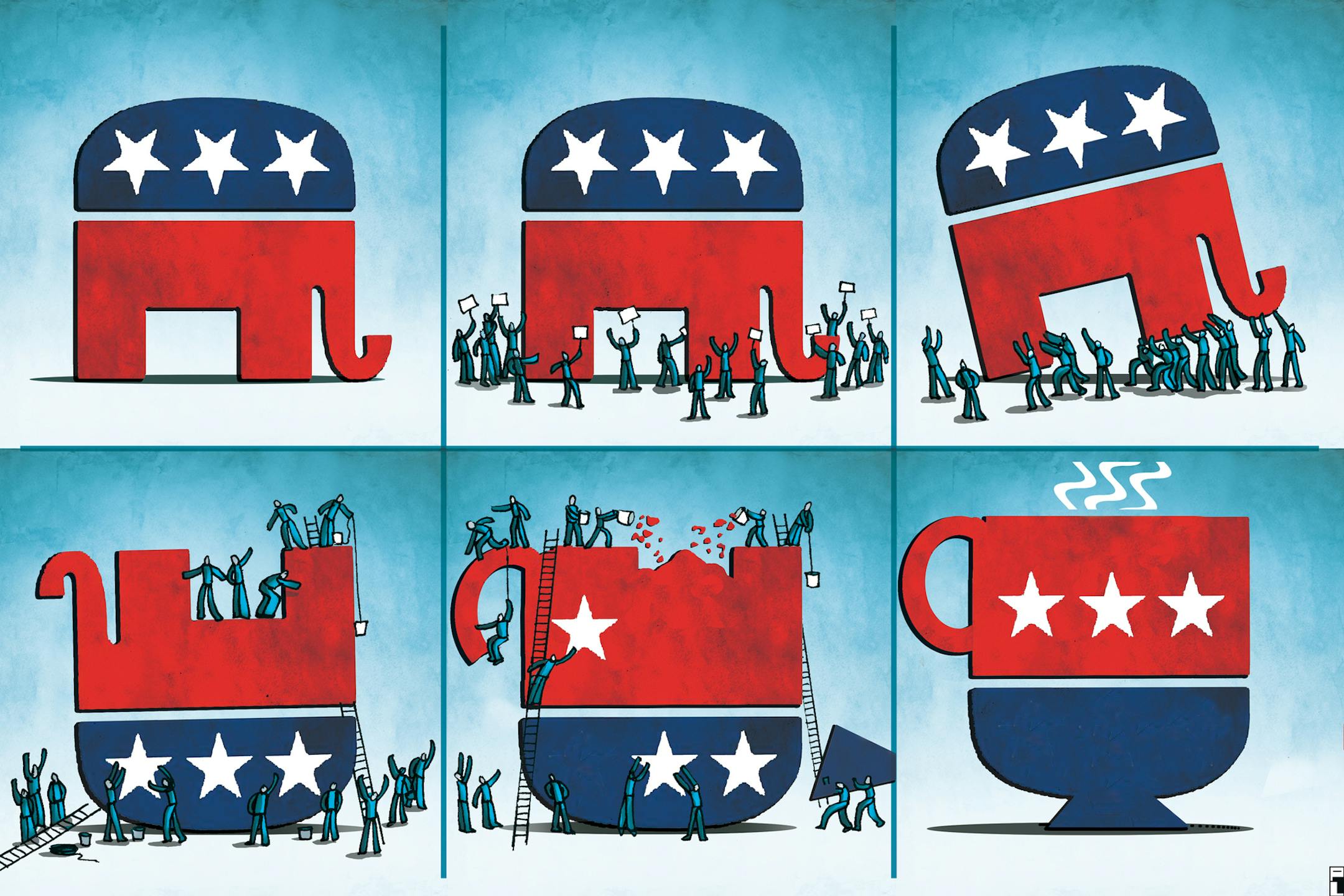
This isn't a line from a police blotter. It's the way a leader of the Minnesota Republican Party describes the GOP establishment's intensifying battle with grass-roots insurgents on the right.
Before the 2014 election contests heat up between Democrats and Republicans, the GOP faces a ferocious and momentous internal battle, according to my chats with a number of party insiders.
The stakes are huge. Will the party's nominees for governor and U.S. Senate in 2014 hold firm to the right's pure principle of severely limited government? Or will the party, as a national GOP fundraiser put it, "organize beyond the convention process to appeal to a broader scope of people" — voters who want government to shoulder a larger, if still restrained, range of responsibilities? Should the party select candidates who will take office willing to accept compromises that advance conservative policy ideas, or who will stay committed to staunchly defending principle even if it produces government shutdowns?
Today's Republican civil war arises from longstanding tensions. Barry Goldwater inspired a libertarian backlash against the New Deal on his way to wresting the 1964 Republican presidential nomination away from the party's moderate wing, led in those days by New York Gov. Nelson Rockefeller. Goldwater lost the general election in a landslide to Lyndon Johnson but ignited a lasting movement on the right that transformed the GOP and cleared the way for Ronald Reagan's election nearly two decades later.
Although these strains have remained within the party throughout the past half century, 2014 may witness an eruption fueled by two recently rising forces on the right.
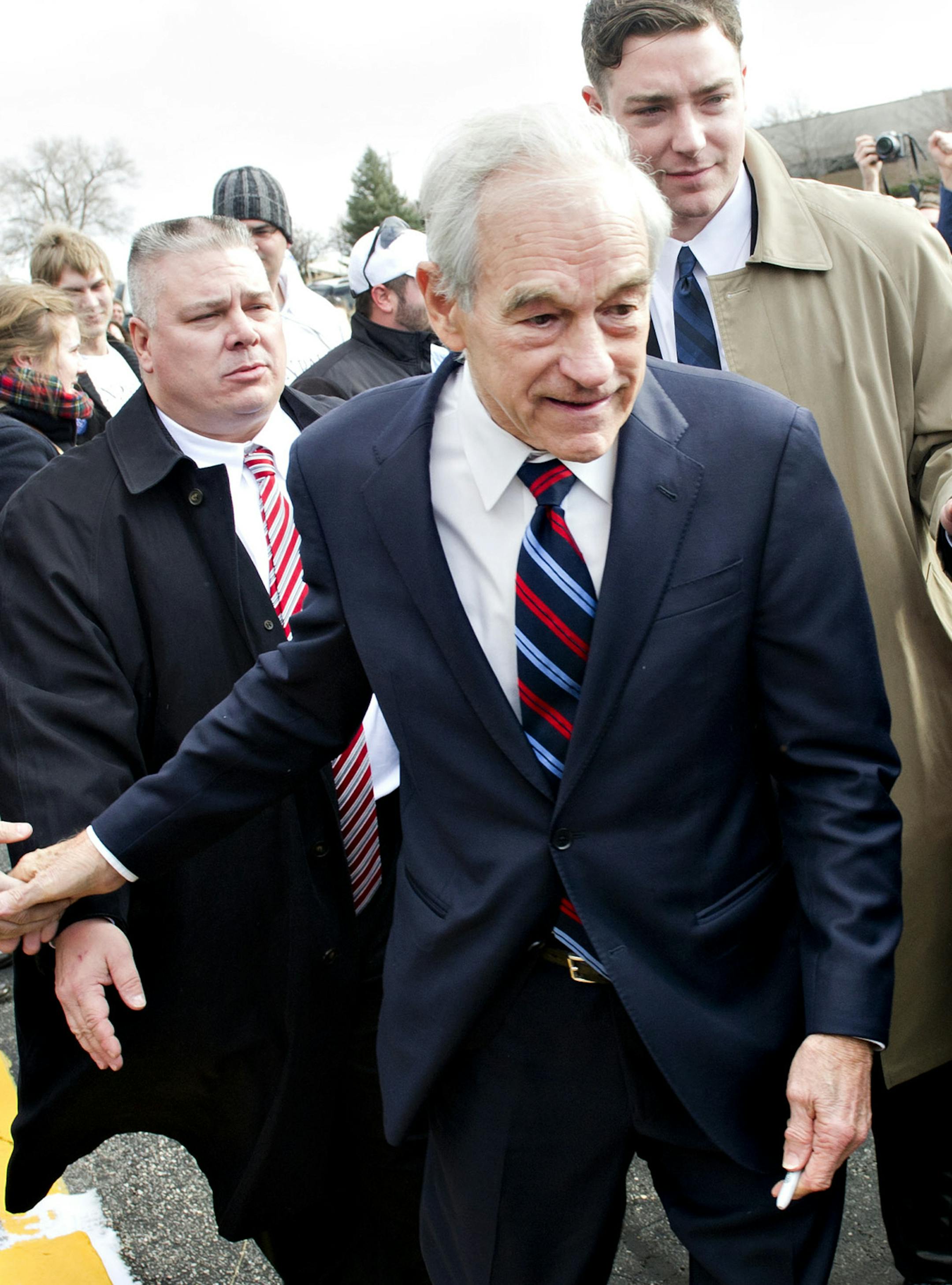
Texas Congressman Ron Paul revitalized libertarians behind a program to pull the United States back from international entanglements and to severely retrench government to restore individual autonomy — from abolishing the Department of Education, to legalizing marijuana and gay marriage, to prohibiting surveillance. Some of this "Liberty Movement" is gravitating in Minnesota toward state Sen. Julianne Ortman's candidacy to take on Democratic U.S. Sen. Al Franken next year.
The Tea Party, meanwhile, formed in reaction to what some conservatives saw as President George W. Bush's moderate Republican brand of "big government" — increased spending, a major new prescription drug benefit in Medicare, and his widening of national authority to conduct surveillance and intercede in education. President Obama's economic stimulus spending and health care legislation ignited the Tea Party as an electoral force, propelling Republicans to victories in the 2010 elections for state offices and Congress.
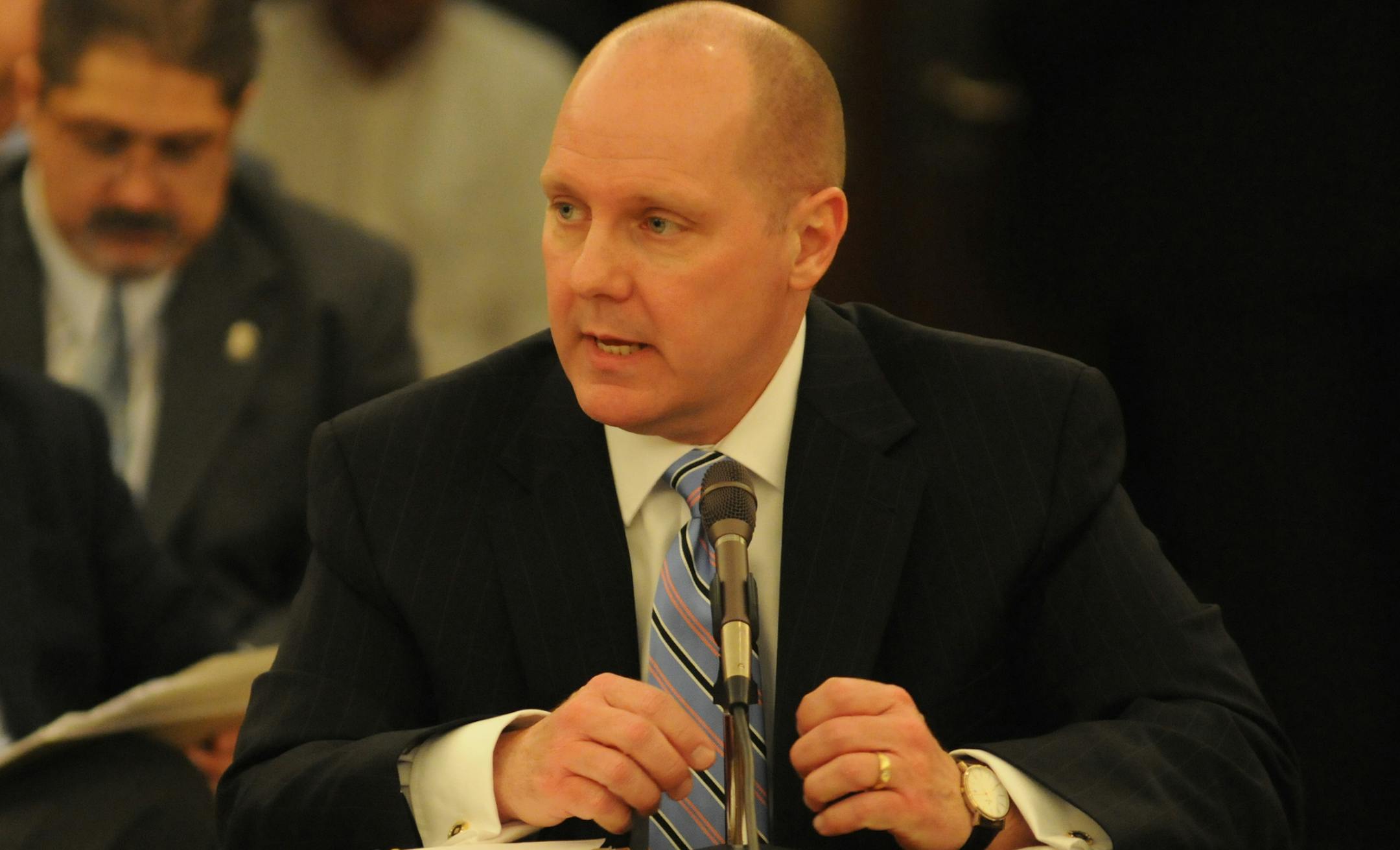
![Sen Julianne Ortman, R-Chanhassen held up a copy of the Governors tax bill and spoke about the problems with all of the offered tax bills including the Senate omnibus tax bill that was debated Monday, April 29, 2013. ] GLEN STUBBE * gstubbe@startribune.com](https://arc.stimg.co/startribunemedia/MEIX3E6D2JBMMDMABMN4EPBVTE.jpg?&w=1080)
![Rep. Michele Bachmann and other officials came to the Minnesota State Capitol on Tuesday to meet with Gov. Mark Dayton about proposals to expand the Interstate-94 highway in Minnesota. She also answered questions about her ethics investigation by saying "I think that ultimately everything is going to be great." Tuesday July 30, 2013 ] GLEN STUBBE * gstubbe@startribune.com](https://arc.stimg.co/startribunemedia/GVB5MWI3QQ5NHEPGS6TSDGIRL4.jpg?&w=1080)


