

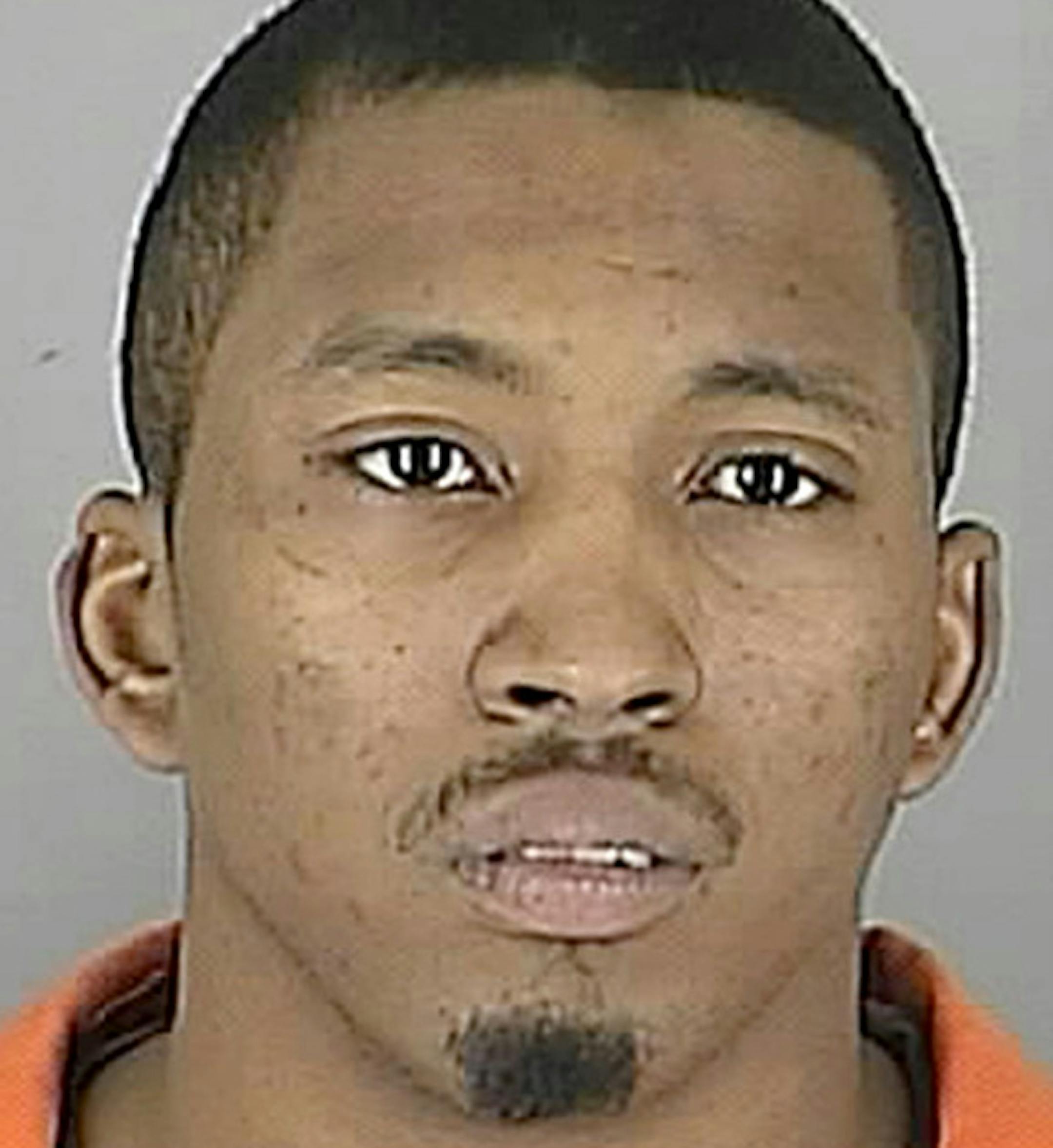
The violent death of a 23-month-old boy in Brooklyn Park will loom over a task force created to improve child protection in Minnesota as it meets Friday morning to make its first set of recommendations.
Kazerion Raeline Harper's death from blunt-force injuries was ruled a homicide Thursday by the Hennepin County medical examiner. On Thursday night, Brooklyn Park police arrested suspect Reggie Harper, the boy's 23-year-old father, who was reported to child protection at least three times for child abuse since January 2012, records show.
Harper was being held in the Brooklyn Park jail late Thursday.
The abuse became so severe that Hennepin County ordered Kazerion and his brother placed in foster care last summer. They were reunited with their mother in March, despite Hennepin County saying that Harper was not complying with a plan to keep the children safe.
The case "will be in the back of everybody's minds, if not the front of everybody's minds," said state Sen. Kathy Sheran, DFL-Mankato, a task force member. "If what we do … is just move around the silverware in the drawer, if that's what the recommendations are, I think people will object to that."
Gov. Mark Dayton formed the task force in September in response to the Star Tribune's reporting on child protection failures. The 26-member group has until the end of December to make its first set of recommendations to the governor and Legislature on what should be done to improve the system.
On some issues, there is near universal agreement, including doing away with a controversial law passed this year that prohibited child protection agencies from using rejected abuse reports when considering whether a new report has merit. Many on the task force also say the state Department of Human Services needs to improve its monitoring of county child protection agencies.
However, on many other issues, the task force is divided, including how social workers should use a controversial program called family assessment, where a child abuse report is not investigated. Supporters of the program, which has become the primary method for responding to abuse reports in the state, say with the threat of punishment removed, parents are more likely to work with social workers to keep their children safe. Opponents argue that children at high risk for abuse are less safe because an abuser is not identified.
![Governor Mark Dayton made a brief statement at the first child protection task force meeting on Monday morning. Co-Chairs Comm. Lucinda Jesson (left) and Toni Carter (right). ] BRIAN PETERSON • brian.peterson@startribune.com St. Paul, MN 10/13/14](https://arc.stimg.co/startribunemedia/U3DXIPHHXJZRKFUD765CF4HC6M.jpg?&w=1080)


