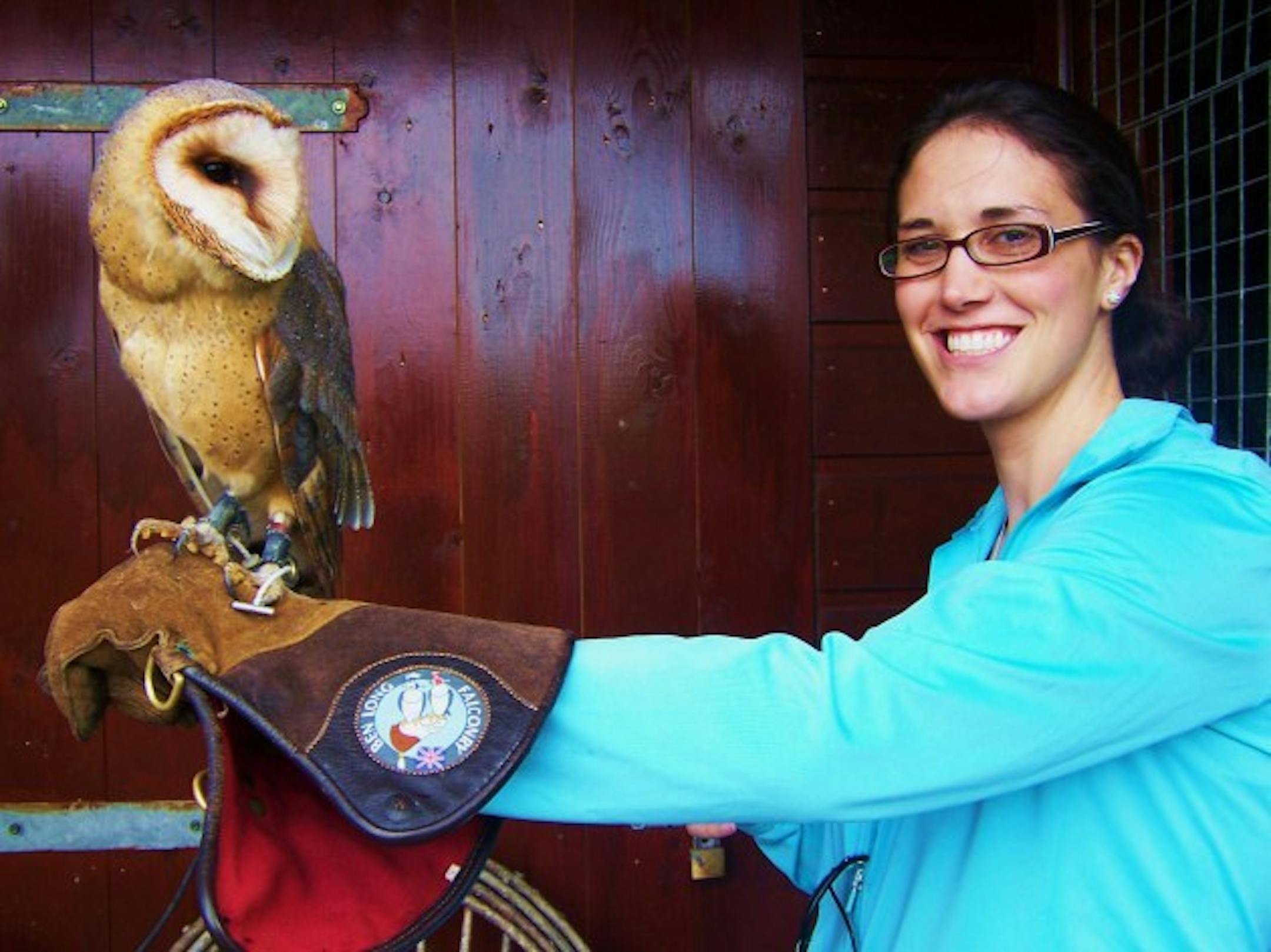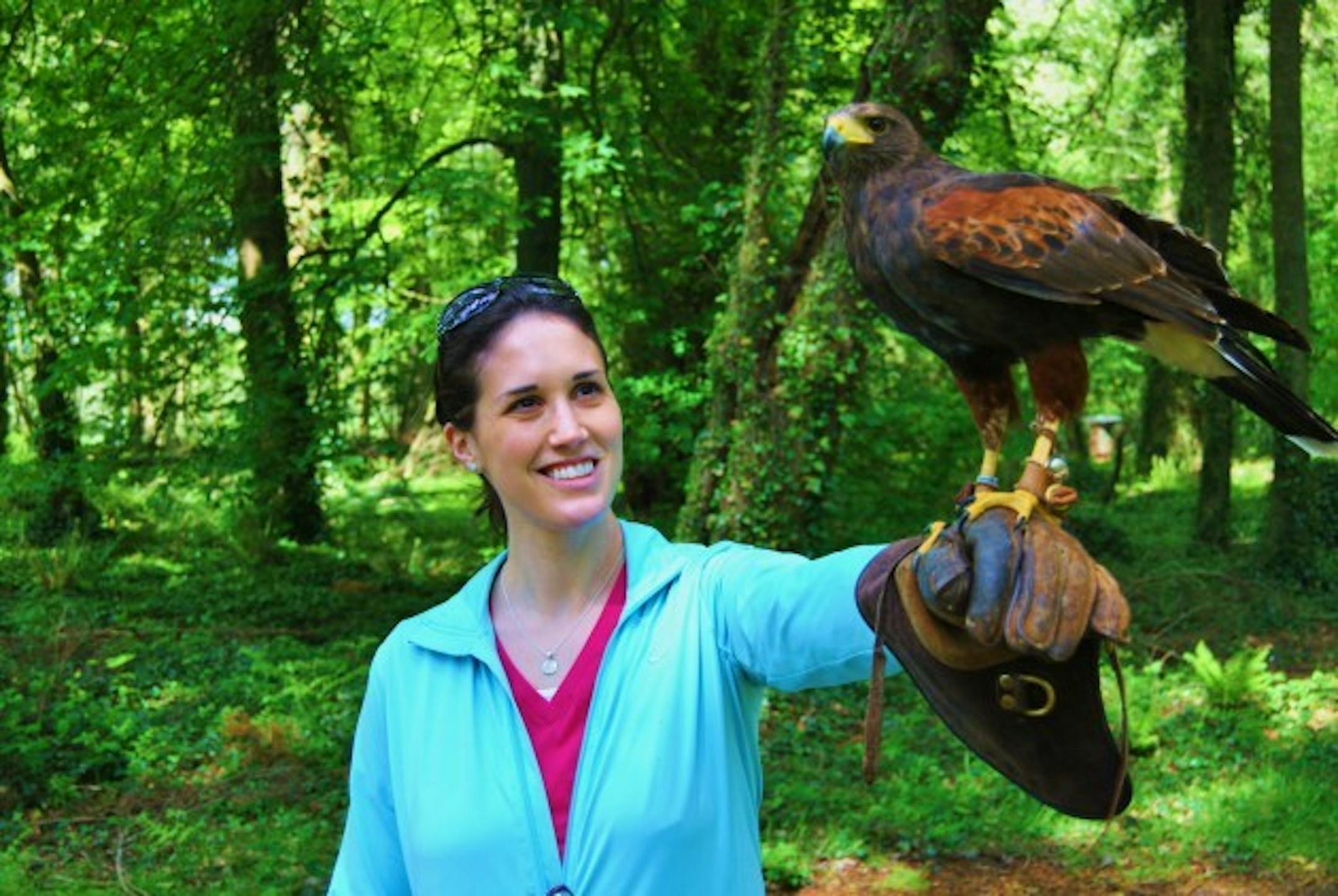
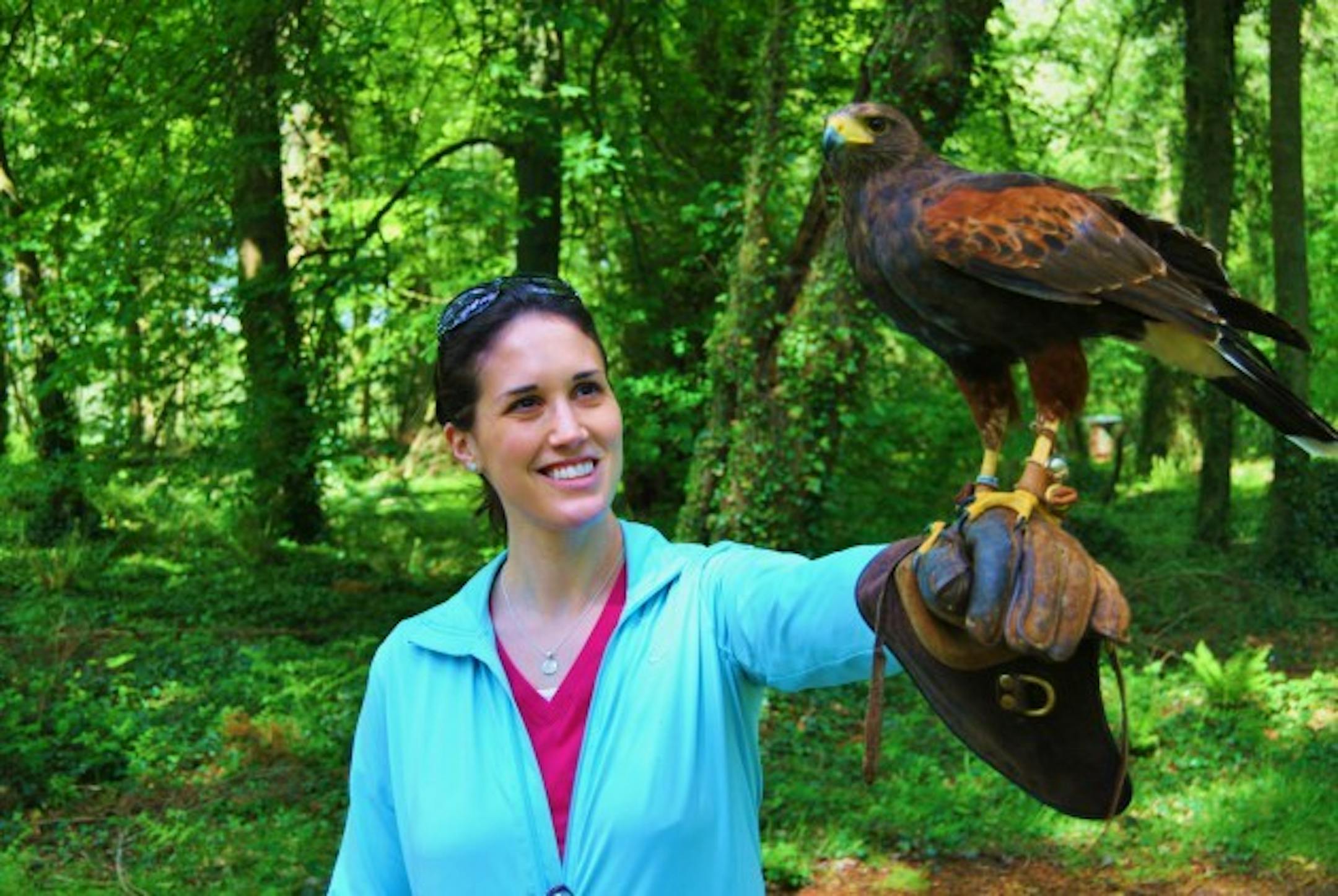
The hawk descended from its perch atop a 200-year-old sycamore tree and dive-bombed directly toward my wife. The hawk zeroed in on her with startling speed and deadly accuracy, and the instant it made contact with Jodie, our companion Dave Atkinson exclaimed, "Poetry in motion."
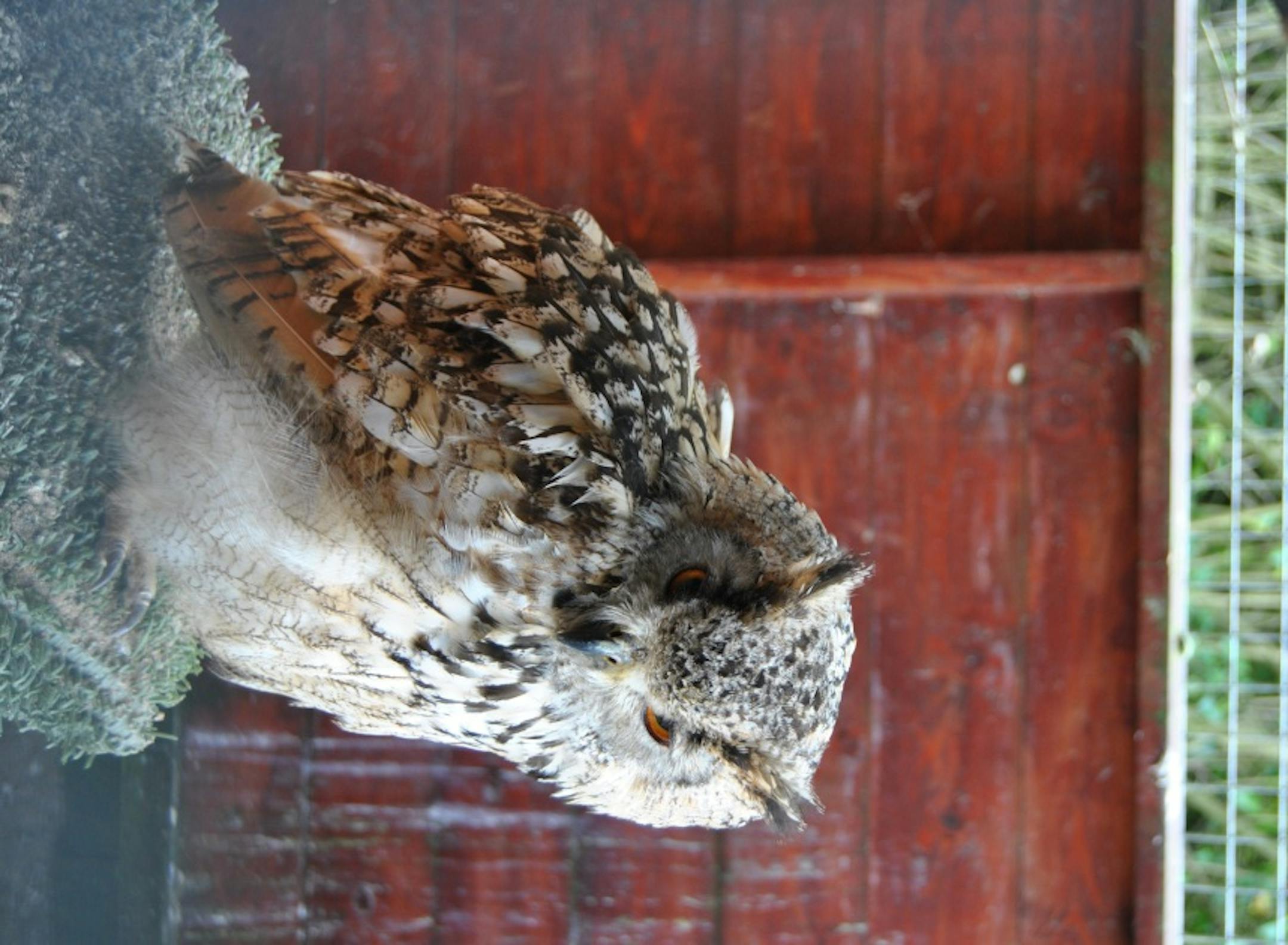
You see, it was all part of the plan. The harris hawk, named Bruce, landed perfectly on Jodie's arm with an effortless grace that would make the finest pilot in Ireland gush with admiration. The moment, one of a dozen such occasions with this bird of prey during our 90-minute falconry adventure, was in fact the epitome of our trip to Dromoland Castle in County Clare, Ireland––a surreal experience granting us access into an ancient world of royalty, woodlands and wonder.
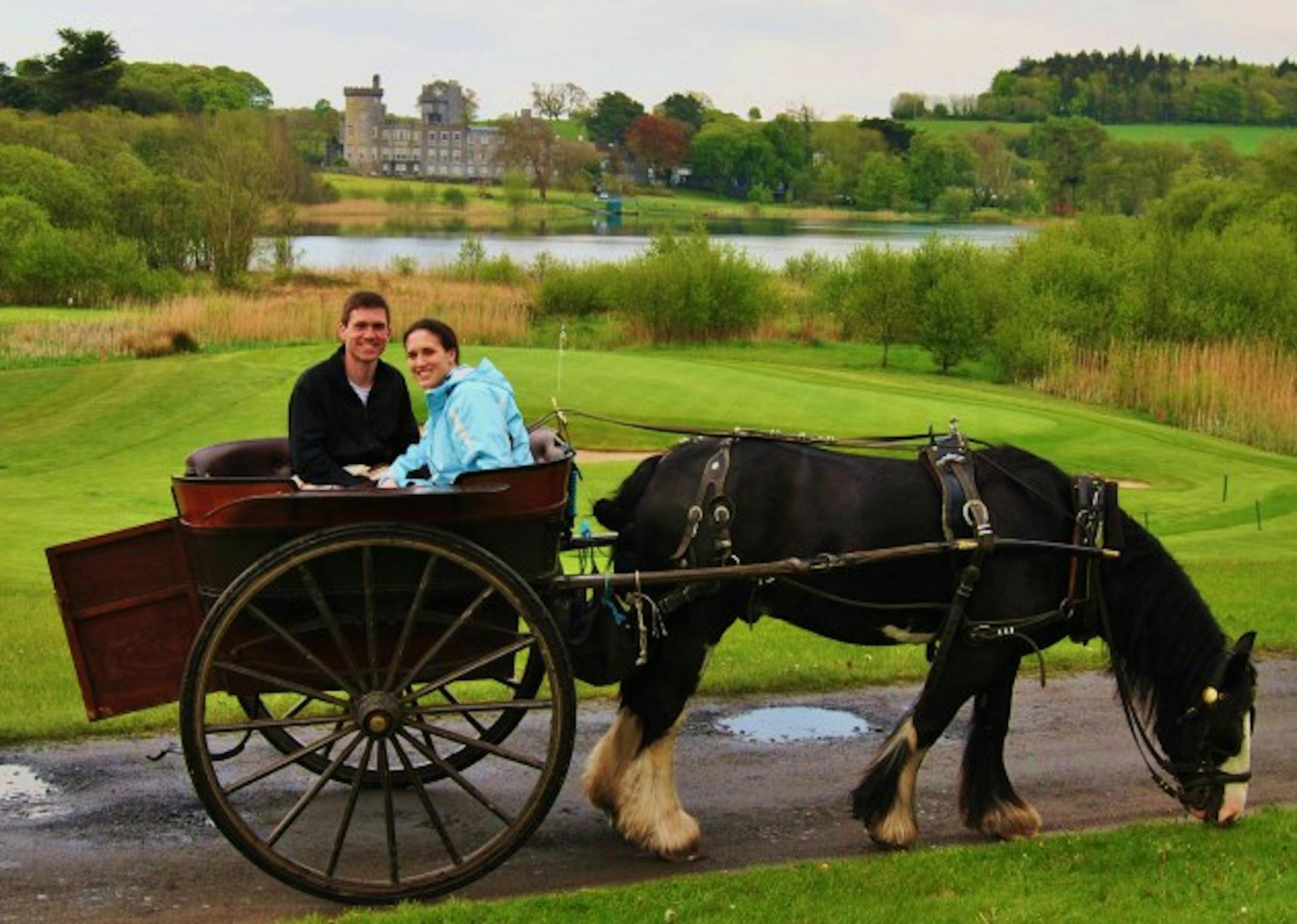
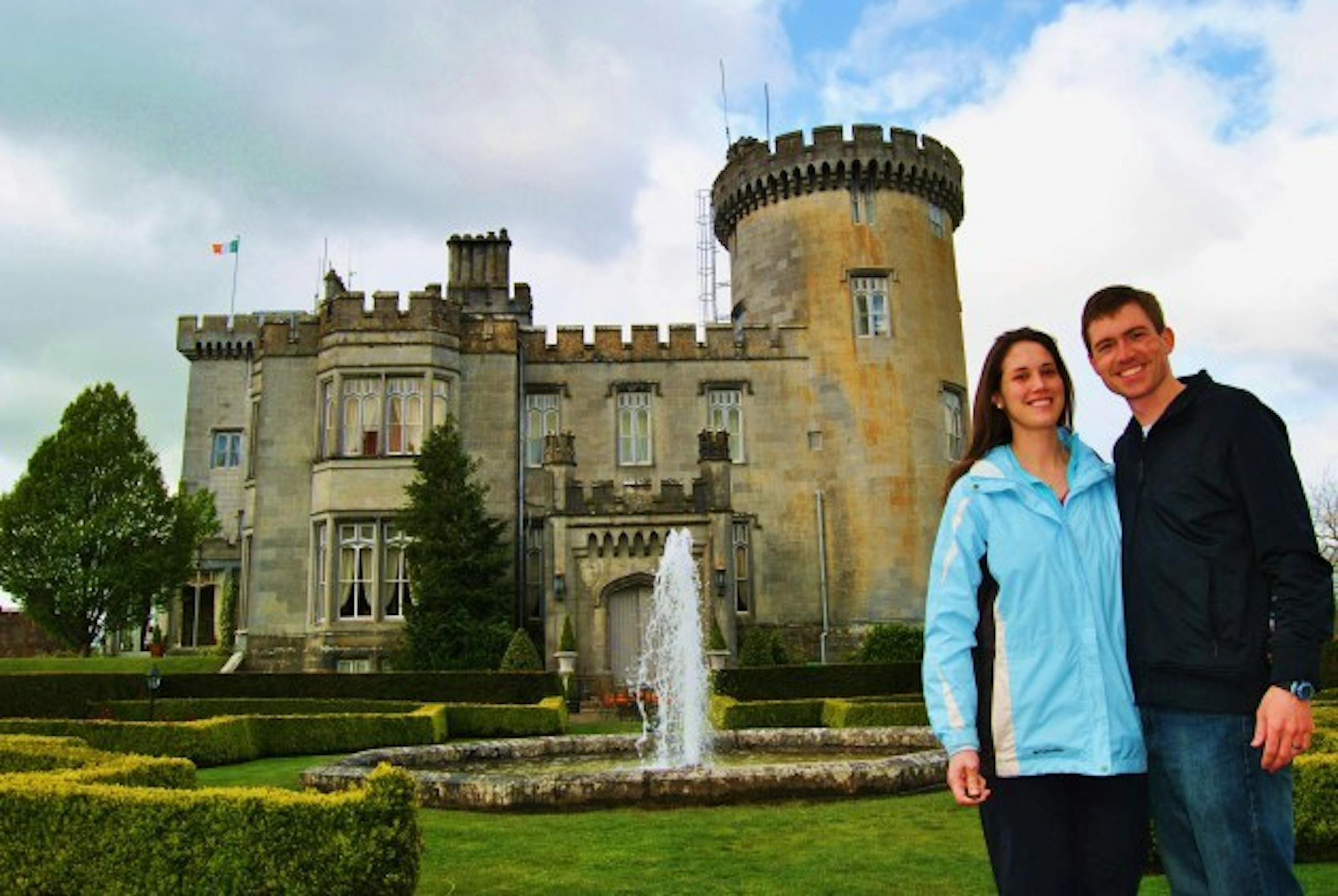
As soon as my wife and I entered the famed baronial castle, dating back to the 16th century, we saw why it's been named one of Europe's top resorts and has attracted the likes of Bill Clinton, Nelson Mandela and even the oh-so-groovy Beatles. The food and service blew us away, and the 5-star castle hotel sits on lovely Lake Dromoland, secluded by 450 private acres of majestic woodlands that transport visitors back in time while providing them a natural playground full of fauna and foliage.
Staying at the castle is akin to staying at a museum that's come to life. There have been additions and renovations, but at the core little has changed since Dromoland was described in 1855 as "a superb edifice surrounded by an extensive and richly wooded demesne… built entirely of dark blue limestone, and in fine chiseled workmanship."
The interior is filled with high ceilings, stained-glass windows, sparkling chandeliers, tassled drapes, gold cornices, antique furniture and burning fireplaces that––fortunately––do nothing to interfere with the unique odor of "old castle." The smell is intoxicating. Of course, so is the smell of the walled gardens (Note to all Hollywood producers reading this story: Please film the next re-make of The Secret Garden right here).
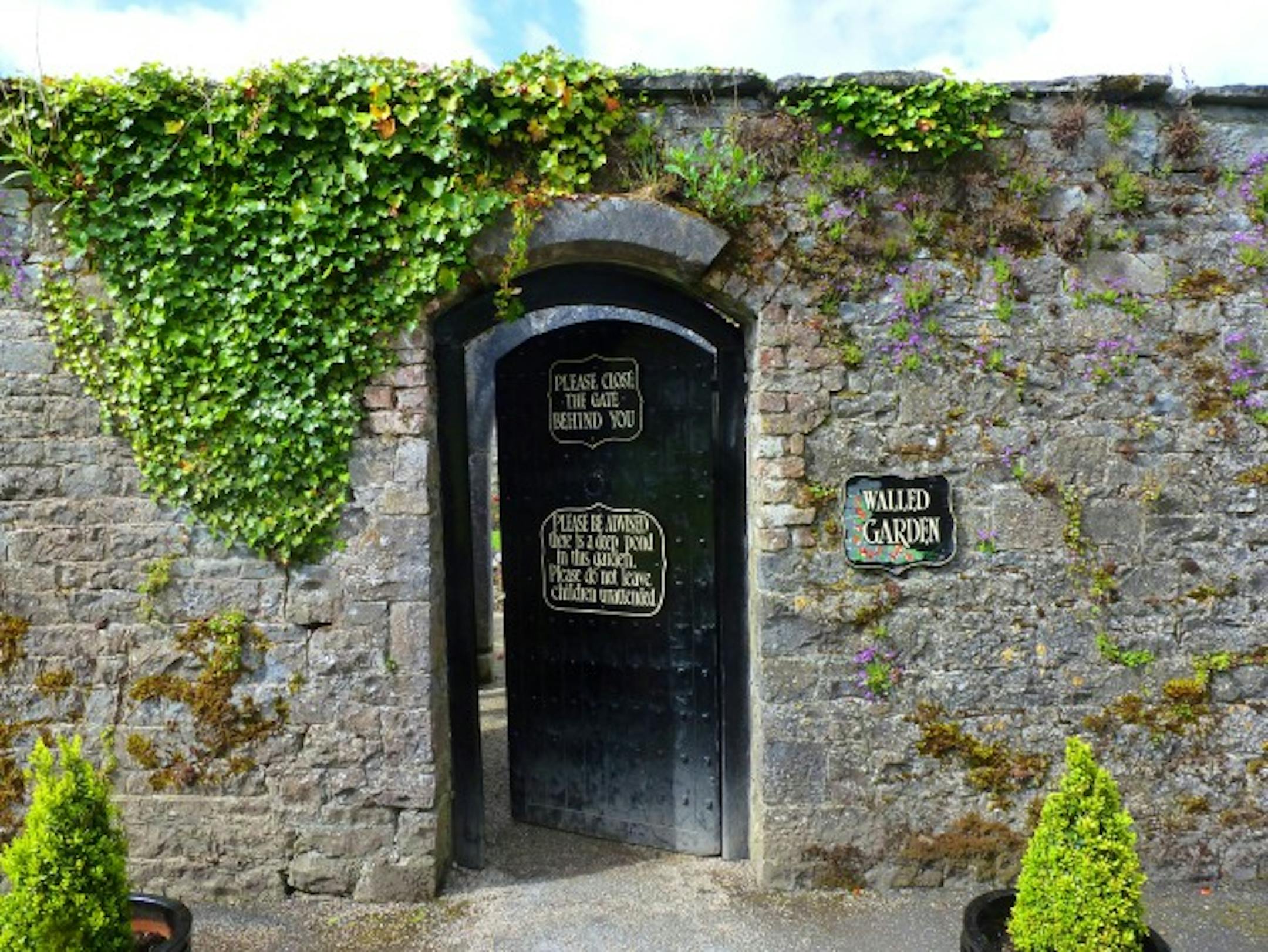
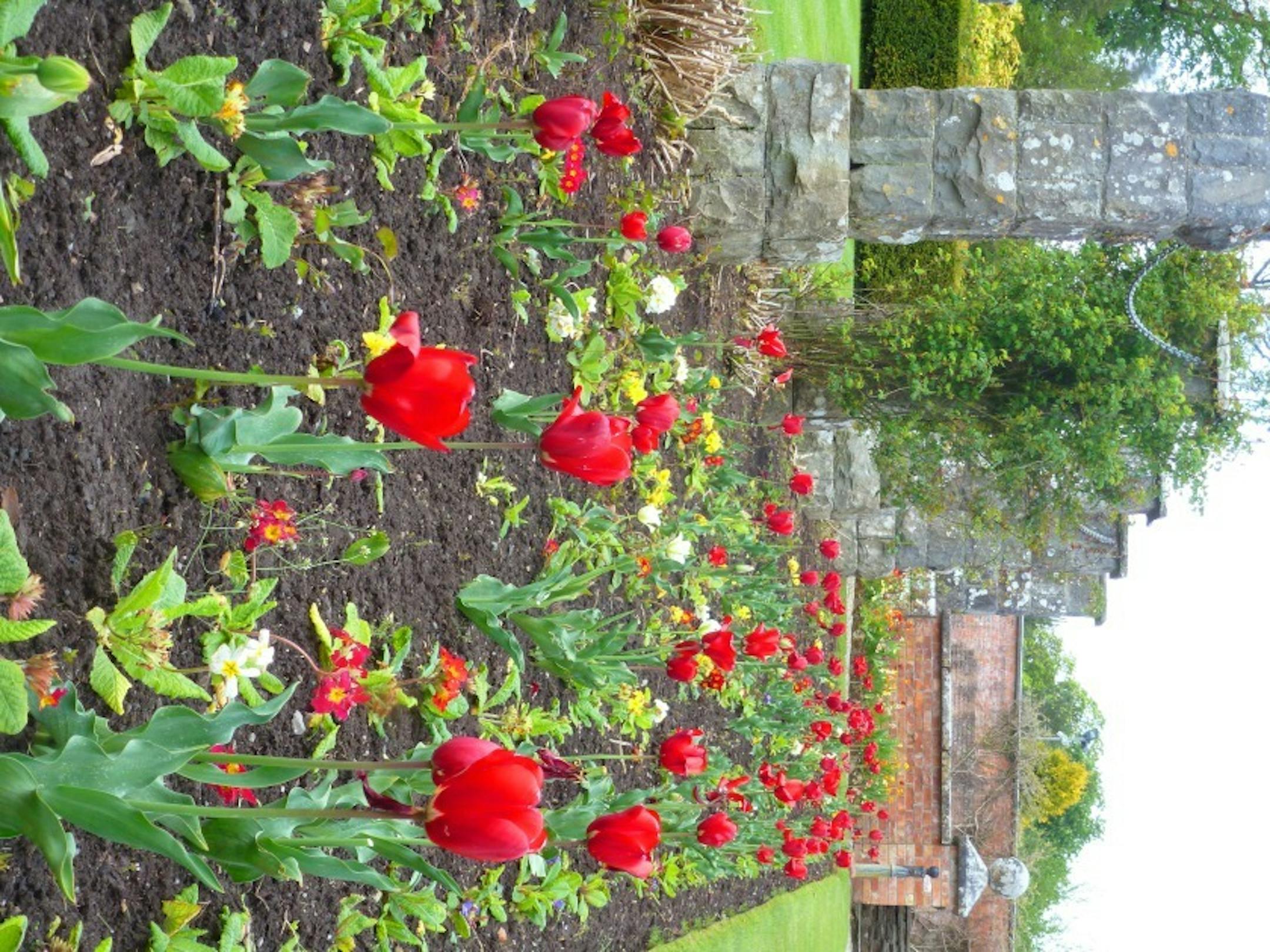
At one point, the O'Brien family had some 45 gardeners managing the estate. Today, the garden has diminished in size but not in quality, though I must say the greatest beauty of Dromoland's estate lies in its less-manicured woods, and we enjoyed both the complimentary bikes and row-boats for trout fishing. Ultimately, though, it is the opportunity to enjoy the woods in tandem with a hawk that should not be missed.
I have sat in a duck blind with birds as the target, but to walk in the woods with a bird as my ally––for it to be released into the tree tops to search for prey, then to return to my arm as my comrade––is something else. Falconry, defined as "taking wild quarry in its natural state or habitat using trained hawks or falcons," dates back to 2,000 B.C. and is believed to have originated in Mesopotamia or the Far East.
Europe adopted the sport in perhaps the 4th century when the Huns invaded, and it became popular among the nobles in part because falcons and hawks were rare, expensive and required the great estates of castles. It was not exclusive to men, however, as a European nobleman in 1801 commented, "the ladies not only accompanied the gentlemen in pursuit of falconry, but often practiced it by themselves; and even excelled the men in knowledge and exercise of the art." This note also documents that women, unsurprisingly, have been bettering men since at least 1801 … though I suspect that began centuries earlier!