

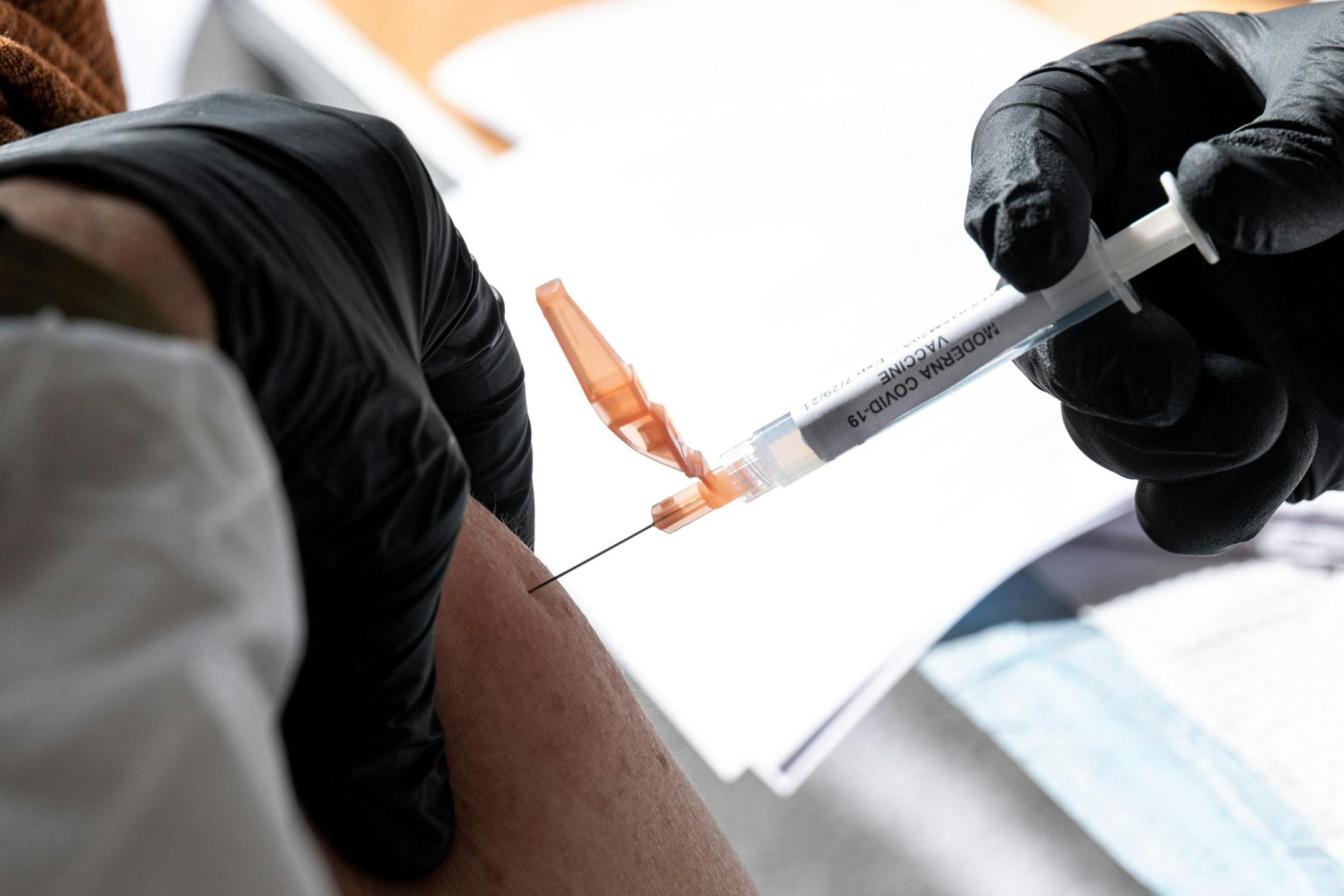
As much of the country emerges from masking and social distancing, undervaccinated pockets in the U.S. still threaten to bring the virus roaring back.
Less than 25% of the population is fully vaccinated in at least 482 counties, according to an analysis of Centers for Disease Control and Prevention data by Bloomberg News. Many of these counties are more rural and less economically advantaged than the rest of the U.S., and a majority of their voters in the last presidential election chose Donald Trump, according to the analysis of 2,700 U.S. counties.
Though more than 174 million Americans have received at least one dose of a vaccine, accounting for about 64.6% of the adult population, such averages belie stark gaps in vaccination rates at a local level. With more contagious versions of the virus like the delta variant taking hold, this creates opportunities for further spread.
Hidden pockets of low rates of vaccinations at the local level have been a challenge before in the U.S. "When you start to look at communities, you start to really unveil very, very low vaccination rates that tend to get averaged out when you're looking at the entire country or even on an entire state," said Maimuna Majumder, a health informatics researcher at Boston Children's Hospital. Viruses don't spread at a national or statewide level, she said, but among friends, family and neighbors in a community, passing it to each other as people go about their daily lives.
The country's past experience with measles, for instance, shows just what it's up against with Covid. The World Health Organization declared in 2000 that measles had been eliminated from the U.S. Yet in 2014 amid declining childhood vaccinations, more than 600 cases appeared. Even so, overall measles vaccination rates hadn't changed significantly in well over a decade.
After a high-profile outbreak of measles was traced back to Disneyland in early 2015, Majumder examined local data. It turned out that the vaccination rates in the communities affected by the Disneyland outbreak ranged from 50 to 86% - far lower than statewide or national averages, and also below the vaccination threshold needed to keep the measles from spreading. More digging revealed almost half the counties in 43 states had vaccination rates below that threshold, with huge variations. The pockets of undervaccination explained the outbreak where the averages could not. In 2019, the U.S. had the biggest measles outbreak in recent years, with more than 1,200 cases.
"I didn't think we should be ignoring this problem before this pandemic began. I think it's even more important now," she said.
A lack of easy access to the vaccine is likely responsible for some current hesitancy, according to Majumder. Though the vaccine is free, factors other than price can get in the way for some.


