Long before naming rights were sold for stadiums and sports arenas, buildings had other identifiers. Inscriptions, plaques, friezes, cornerstones and completion dates lent buildings a sense of identity and meaning, and gave them a toehold on history.
From humble 1920s apartments with evocative names like "Verona" or "La Casa" to public libraries adorned with famous quotations, edifices have been used to honor the year a building was erected, its purpose, its architects, builders and more. There are plenty of edifying edifices around the Twin Cities. Here are just a few:
Mechanics, 'greatest minds'
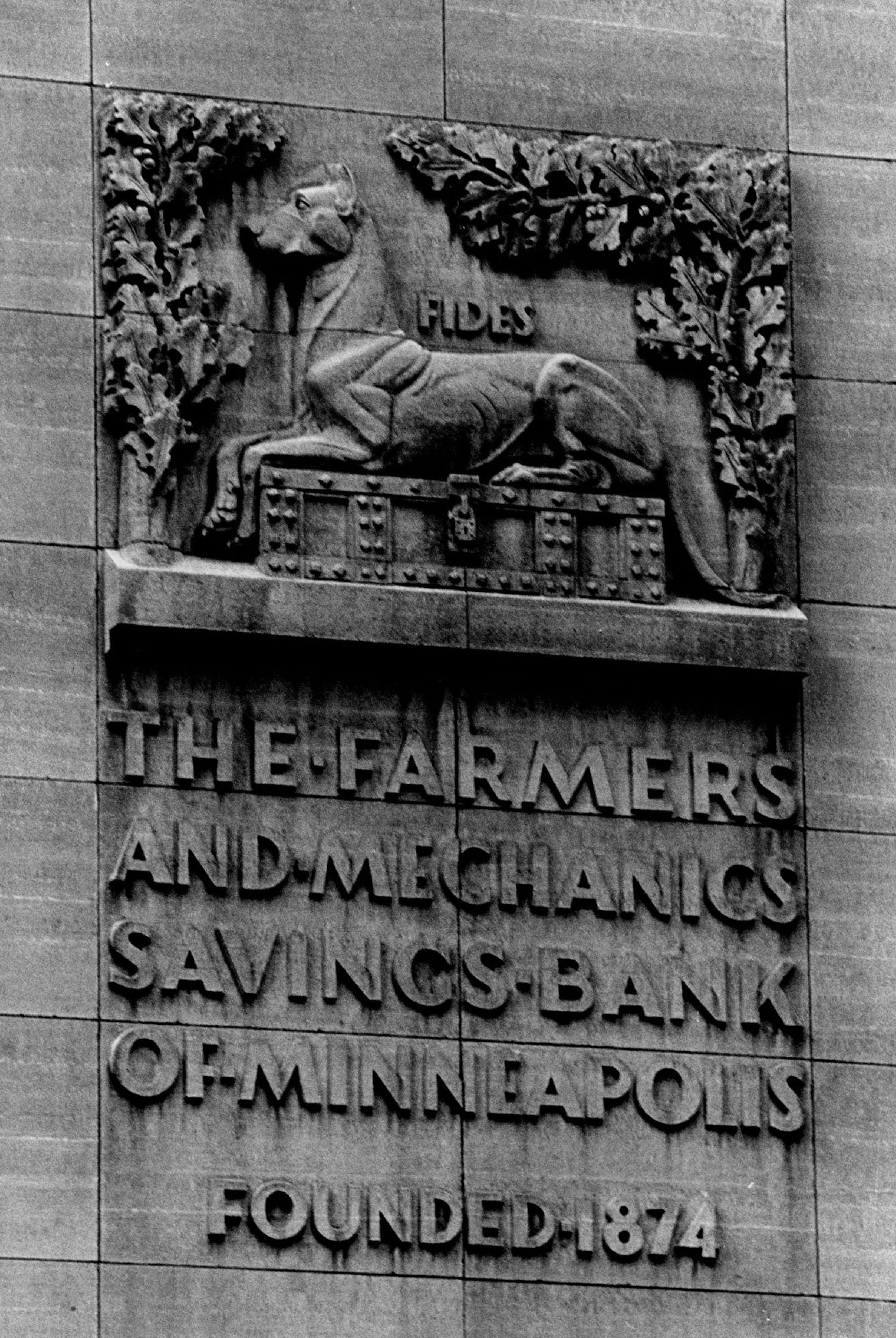
Nearly 75 years after it was built, the art moderne Farmers and Mechanics Savings Bank building (now the Minneapolis Westin Hotel) still extols the bank's virtues of hard work, strength and reliability. Two inspirationally fit workers — a farmer and mechanic — flank the front doors on 7th Street. Around the corner on Marquette Avenue, a formidable Great Dane sits atop a locked strongbox. Nearby, the Latin word Fides (meaning good faith and trustworthiness) is carved into Kasota stone. It's hard to miss the point.
Builders of the George Latimer Central Library in St. Paul used words to express the ideals of the structure. In the 1917 magazine room, the ceiling beams are inscribed with a pantheon of names that the library refers to as: "the greatest minds of old Europe, including Homer, Socrates, Descartes, Voltaire, Galileo, and Da Vinci."
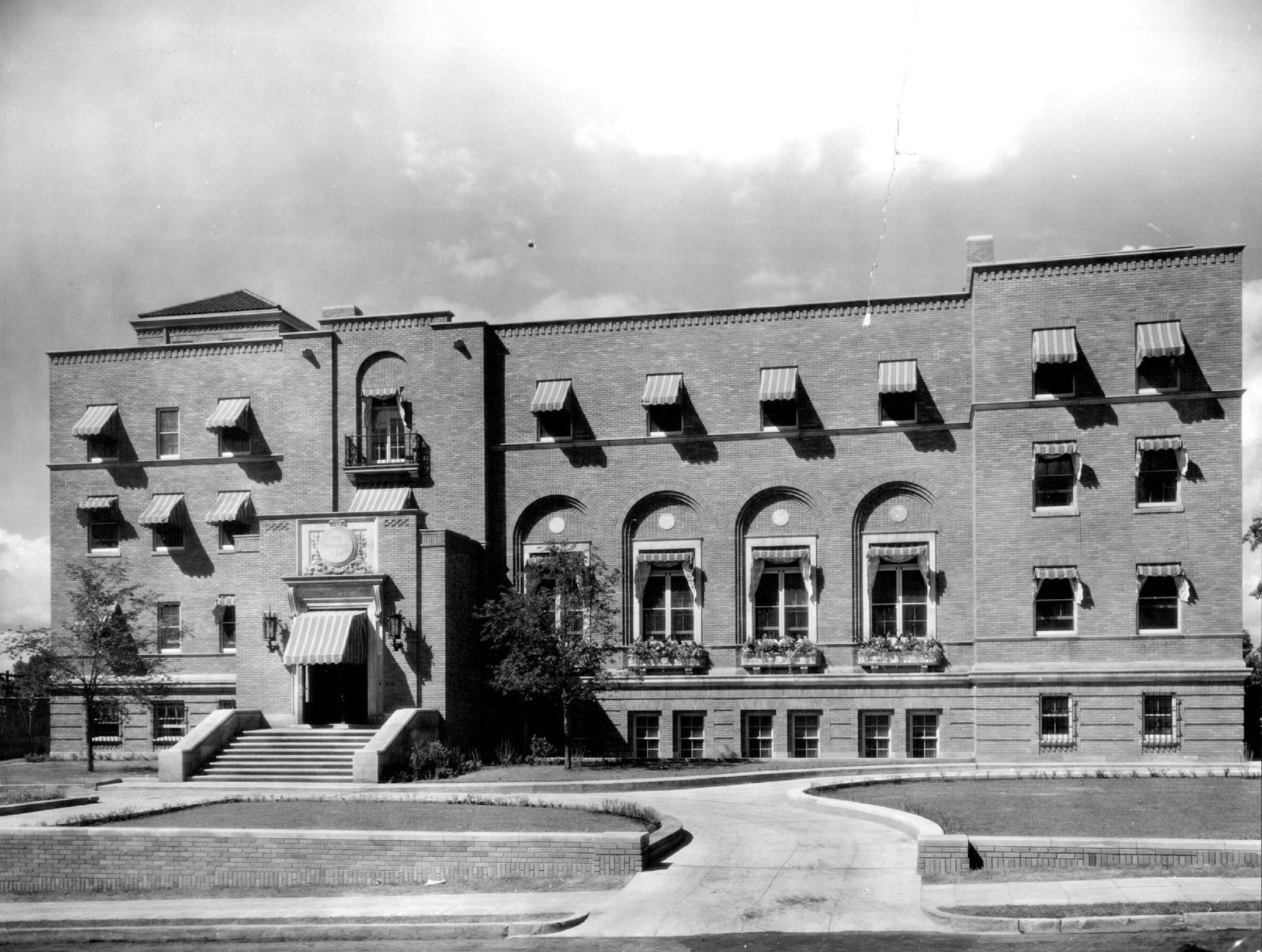
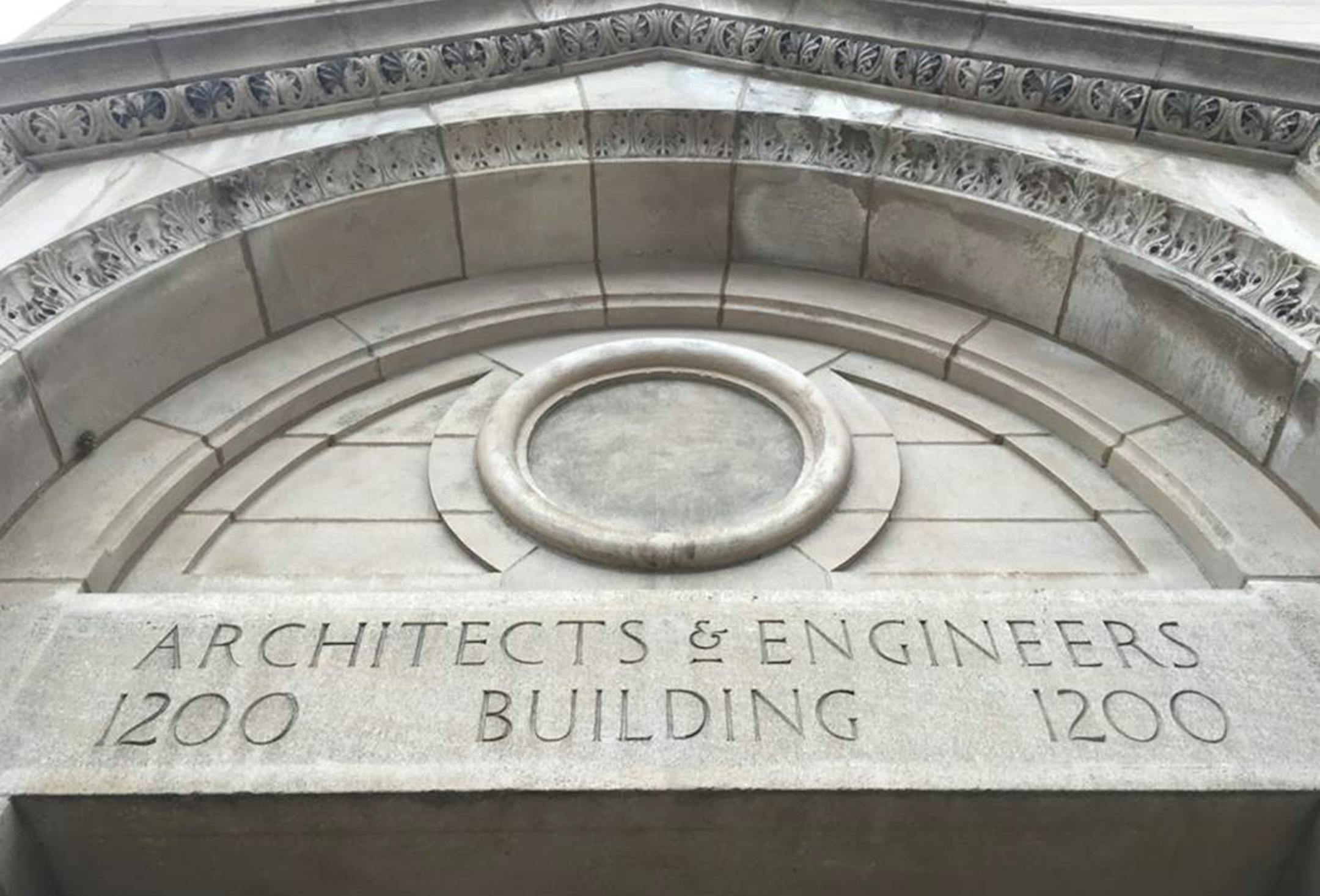
Leonardo da Vinci also makes an appearance on the facade of the Architects & Engineers Building (1200 2nd Av. S.) in downtown Minneapolis. Designed by Hewitt & Brown in 1920 to house studios, this remarkable limestone building is rich with words and detailing. Recalling a Florentine villa, the arching windows on the third floor are topped with beautifully white lettered names of great architects, including Sir Christopher Wren, Henry Hobson Richardson and Filippo Brunelleschi.
Others honored in the edifice include less-well-known master builders, such as William of Sens, who oversaw the construction of Canterbury Cathedral in England. Long before architecture was even a defined profession, these masters brought together the sciences, art and engineering. That's a fitting inscription for a building meant to house everyone from furniture makers to civil engineers.
Ghost buildings
Even relatively new cities like Minneapolis and St. Paul have lingering connections in the ghosts of former buildings — the churches, houses, smaller stores and offices — that came before.
In 1895, a fire destroyed the Westminster Presbyterian Church at 7th Street and Nicollet Avenue S. The church moved (to its current location at 12th Street and Marquette Avenue S.) and George Draper Dayton purchased the site, where he built Dayton's department store. If you look closely among the downtown Macy's storefront windows, you'll find a plaque that tells the story of the original church.