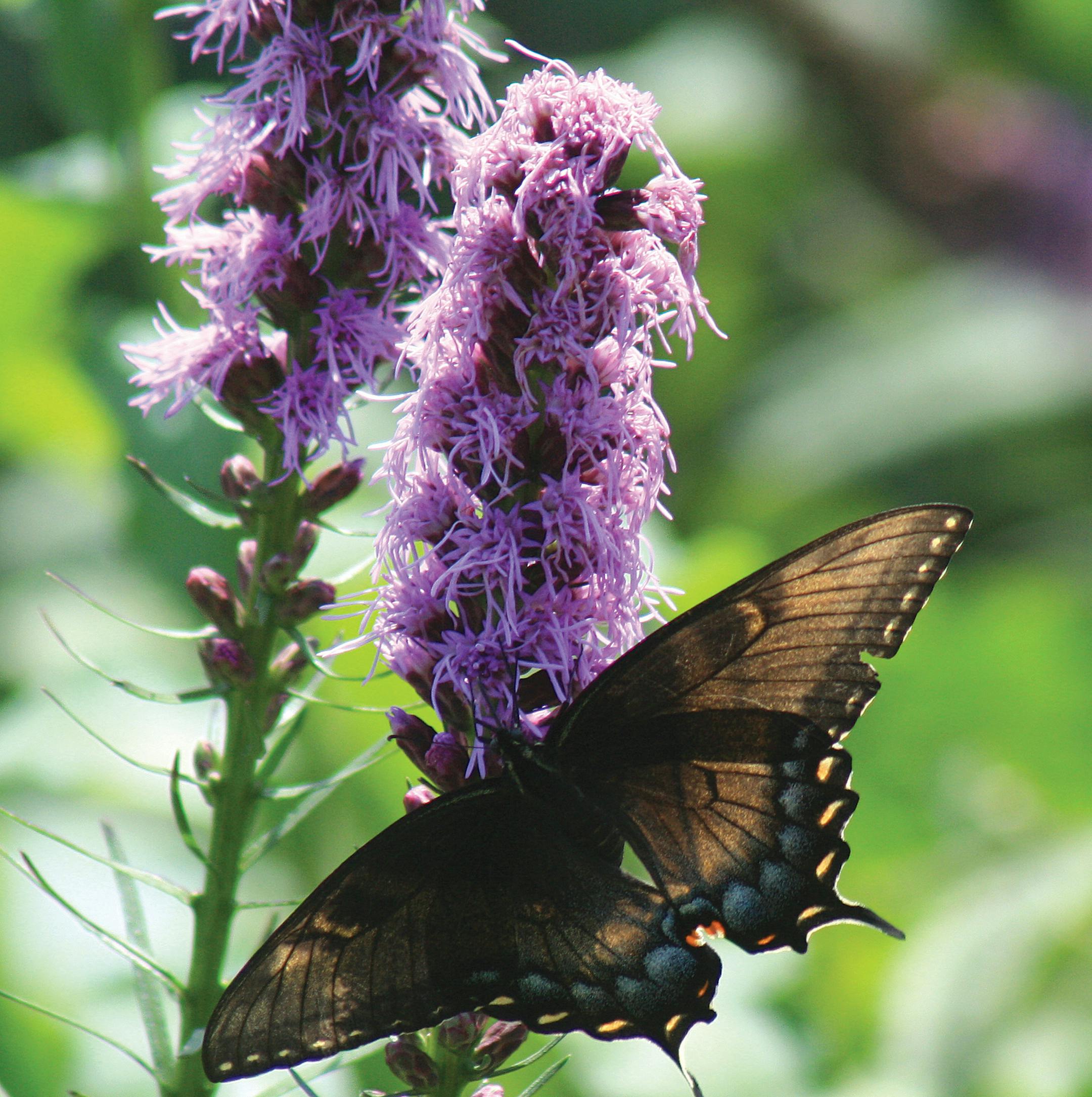
All across the country, it seems, gardeners are taking up the cause of pollinators.
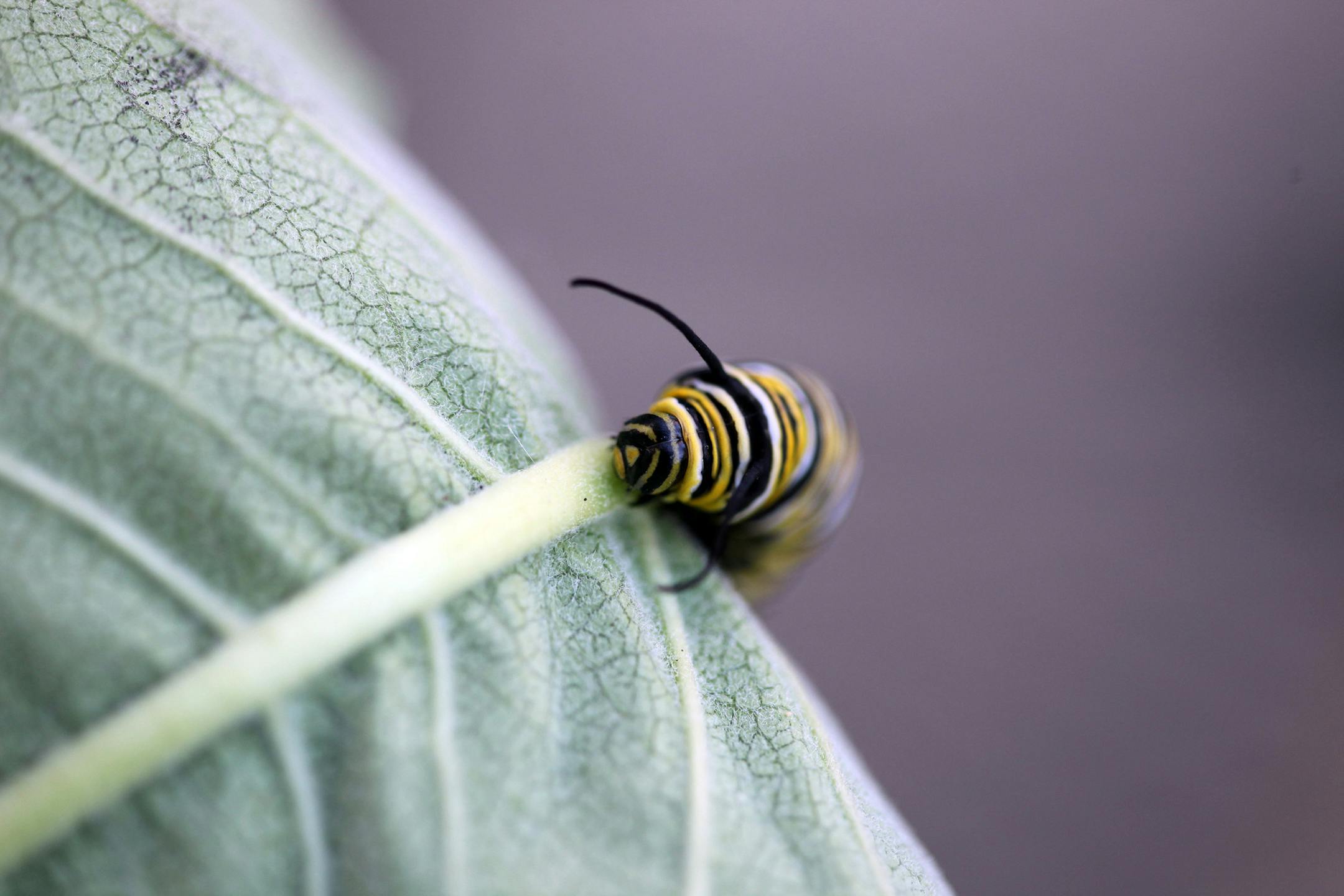
Maybe it was the plight of the honeybee (colony collapse) or the dwindling numbers of monarch butterflies (loss of habitat) that raised people's awareness. Beyond being informed, though, people are acting.
You needn't be a master gardener or have acres of land to contribute to the cause.
"In every landscape, from window box to sprawling garden, we have the opportunity to provide habitat for pollinators — and the rewards are just as great for us as they are for the bees and the butterflies," says Laurie Davies Adams, executive director of Pollinator Partnership, a San Francisco nonprofit that works to protect and promote pollinators and their ecosystems.
Before enjoying the rewards, a little education is in order.
Who are the pollinators? Bees and butterflies, for starters. But the roster is deep.
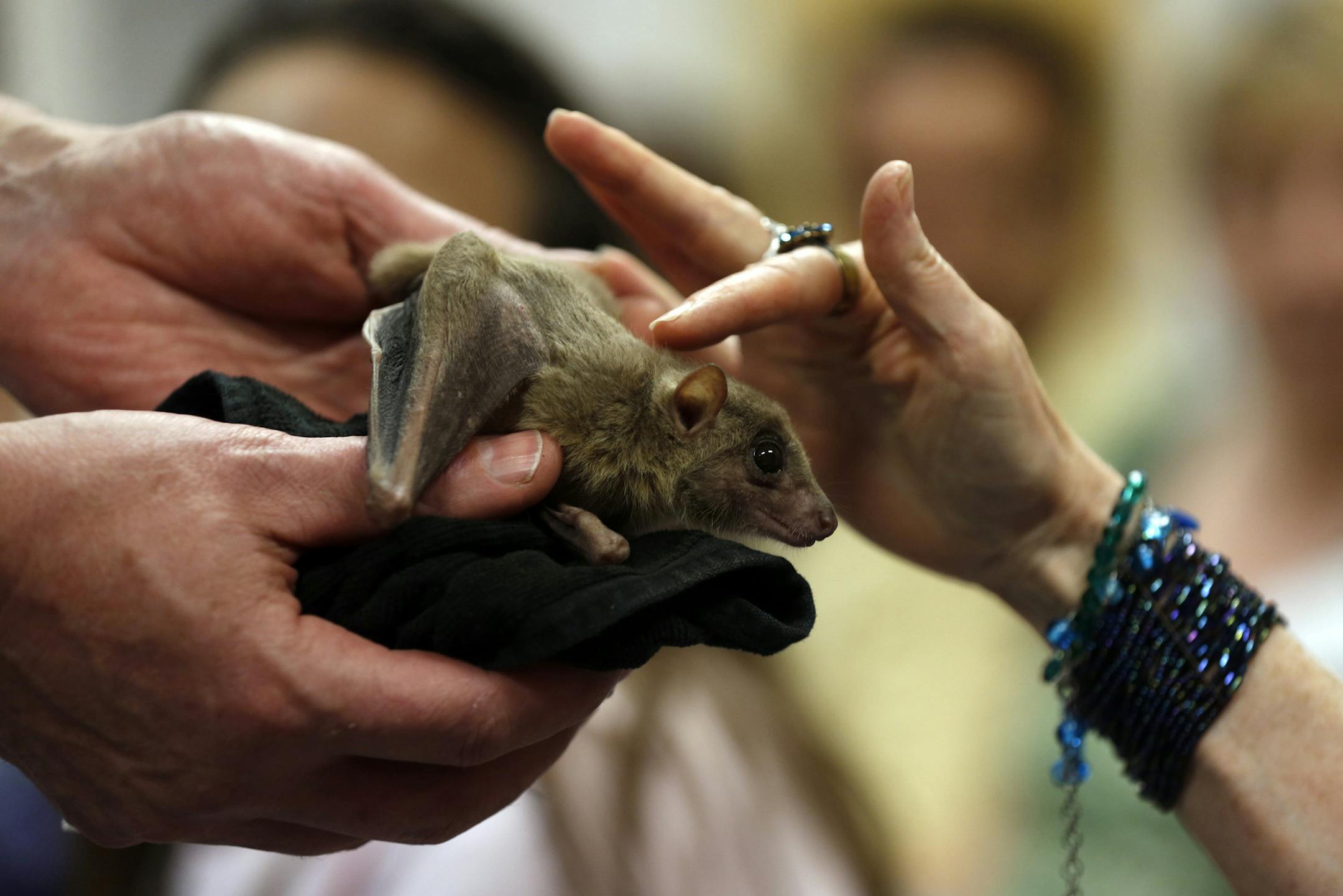
"A pollinator is any animal that helps a plant reproduce by moving its pollen from one plant to another," says Matthew Shepherd, spokesman for the Xerces Society for Invertebrate Conservation in Portland, Ore. "Bees are the most important group of pollinators in North America, but it also extends to flies that pollinate, moths, butterflies. Broaden it beyond insects and you'll find some species of bats that pollinate. There's one dove that helps pollinate cacti down in the Southwest. Some are as unexpected as slugs. It's a huge number of animals."
Shepherd says that whenever you see a plant with a bloom, chances are it needs a pollinator.