![A plane taxied to take off at the Minneapolis/ St. Paul International Airport in Bloomington, Minn., on April 12, 2017. ] RENEE JONES SCHNEIDER ¥ renee.jones@startribune.com](https://arc.stimg.co/startribunemedia/BKEJ655IRIBVKTFPBROE77AAPE.jpg?&w=1080)
A year from now, Minnesotans ages 18 and older will need more than a standard state driver's license to board a domestic flight. They'll need a Real ID or other federally approved identification.
Without it, travelers will not be allowed through security checkpoints and will be denied boarding beginning Oct. 1, 2020.
"That could happen if they don't have the right identification," Department of Public Safety Commissioner John Harrington said during a news conference Wednesday at Minneapolis-St. Paul International Airport.
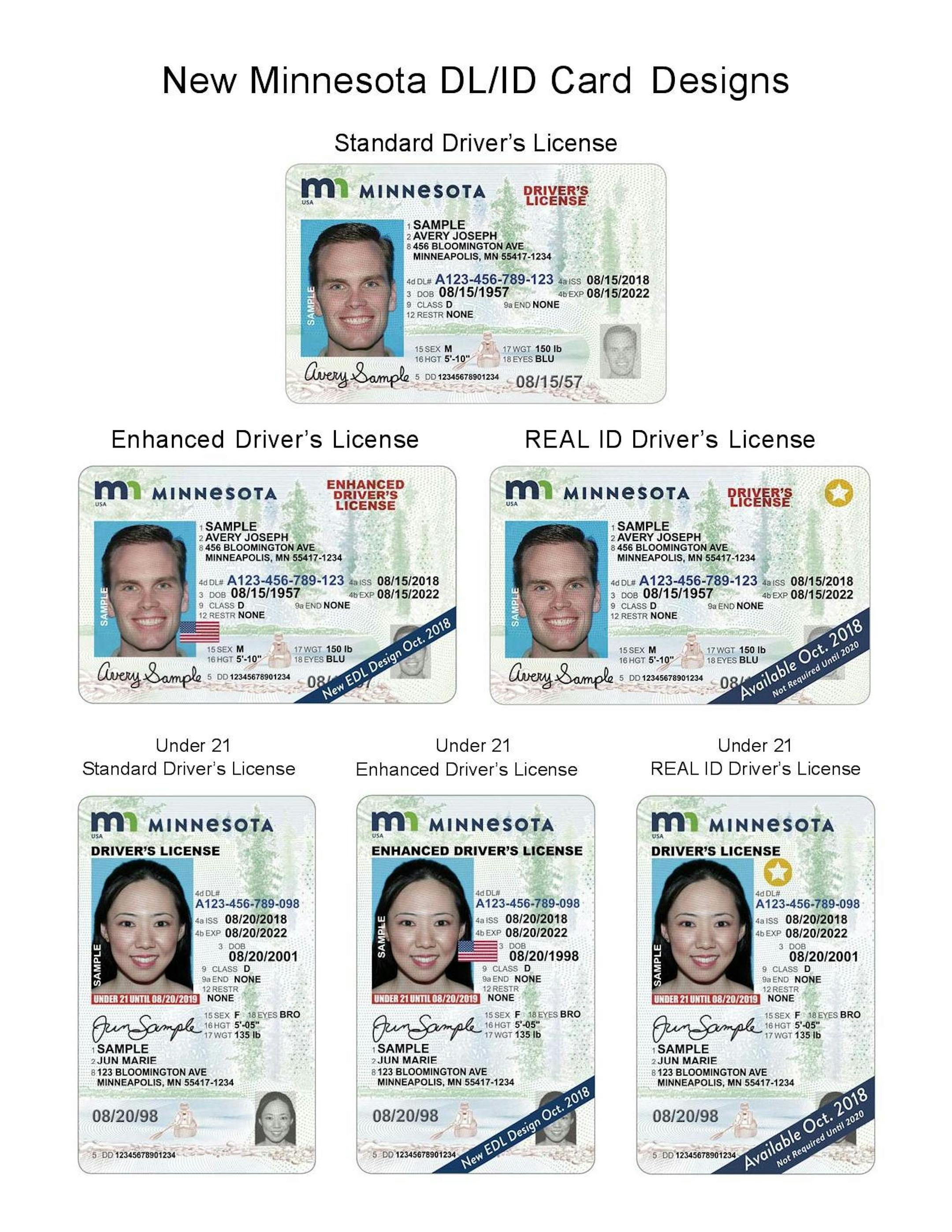
In the coming months, Minnesotans can expect to hear a lot more about Real ID as the Department of Public Safety works to raise awareness. Real ID licenses and ID cards feature a star inside a gold circle in the top right corner of the card.
Minnesota is one of the last states to adopt the federal requirements that were passed by Congress in 2005 in the aftermath of the Sept. 11, 2001, terrorist attacks. The Real ID Act established minimum standards for state-issued driver's licenses and ID cards.
They help ensure safety in the skies because they "improve reliability and accuracy of state-issued documents" and make it easier to detect terrorists attempting to avoid detection by using fraudulent documents, said Cliff Van Leuven, the Transportation Security Administration's federal security director in Minnesota.
In lieu of the Real ID, travelers can use an enhanced driver's license or ID card, or a passport or passport card to board a domestic flight.
An enhanced driver's license or ID can be used to re-enter the U.S. by land or sea from Canada, Mexico and some Caribbean countries. An enhanced driver's license can also be used for domestic air travel and access to federal facilities, but not international flights.