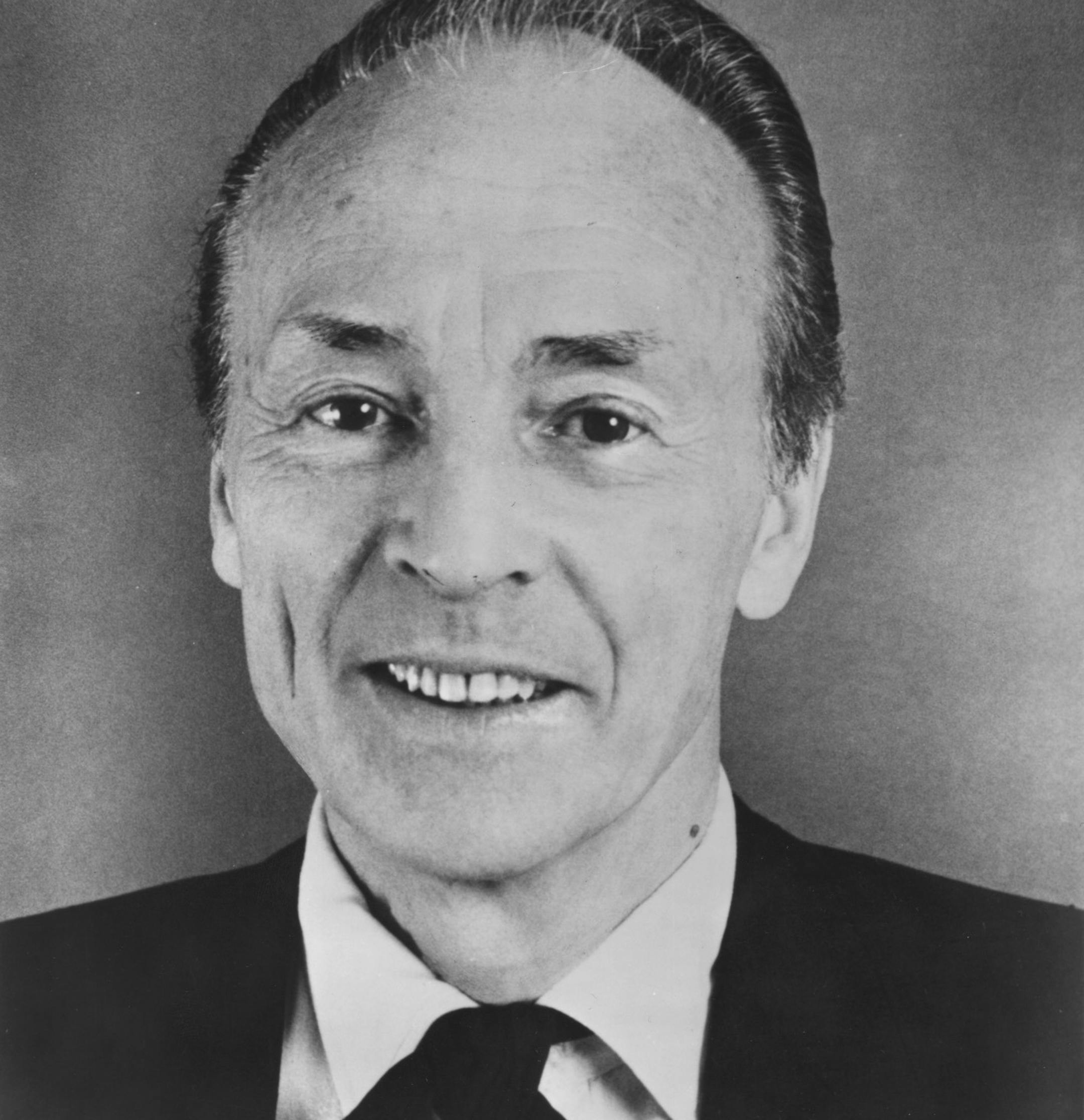
During his long career — which started in the 1920s and stretched into the 1980s — choreographer George Balanchine introduced his audience to dozens of composers.
He revered three above all others. But while Balanchine dug deep into the canons of both Tchaikovsky and Stravinsky to create a long list of masterpieces, he rarely turned to Mozart.
But when he did? Magic.
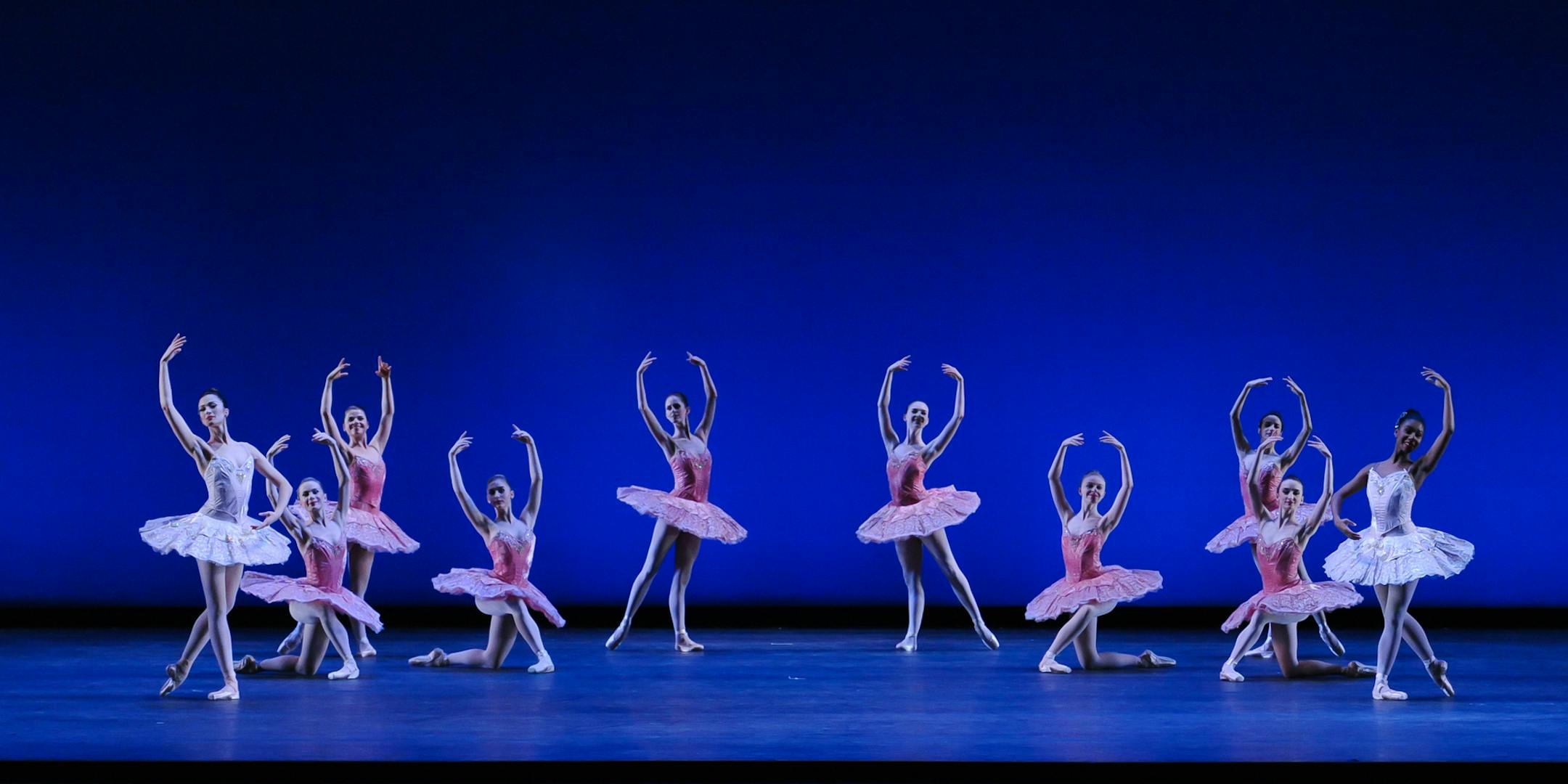
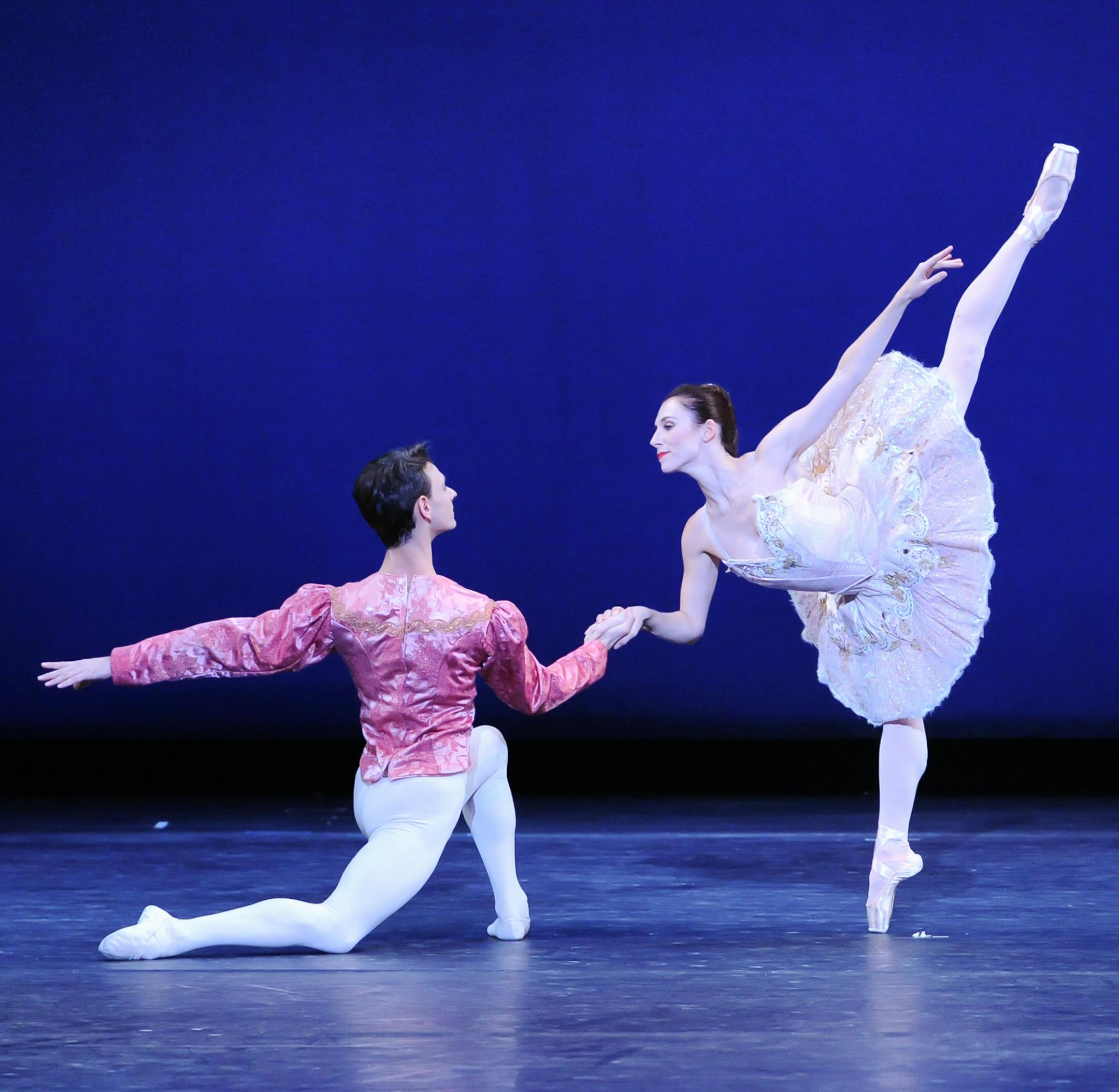
Minnesotans can see the results, firsthand, this Thursday when Pittsburgh Ballet Theatre presents Balanchine's "Divertimento No. 15" at Northrop auditorium. It's part of an all-Mozart program that also includes two by choreographer Jirí Kylián: "Petite Mort," a kind of battle of the sexes that calls upon the adagio movements from a pair of piano concertos, and "Sechs Tänze," a comedic romp set to "Six German Dances."
Mozart's half of the evening will be performed by the St. Paul Chamber Orchestra.
"It's such an honor for us to work with such a great dance company," said Kyu-Young Kim, the SPCO's artistic director and principal violinist. "The combination of live music and ballet is something special, and it's not something that happens often here. And the St. Paul Chamber Orchestra playing Mozart is a perfect combination. We're really excited."
Vaunted history
Russian-born Balanchine was introduced to Mozart's "Divertimento No. 15 in B-flat Major" at a 1951 dinner party in New York City, where the host played a Toscanini recording.
"And Balanchine fell in love with the music at once and forever," wrote Richard Buckle in 1988's "George Balanchine: Ballet Master" (Random House). "Balanchine appeared to have worked with Mozart, as with other dead composers, like a twin who could read his brother's thoughts."