

This past Sunday, CBS' "60 Minutes" aired a story about the impact of COVID-related financial crises on college athletics. It featured circumstances at the University of Minnesota and its decision to cut three men's athletic programs — gymnastics, tennis and indoor track and field.
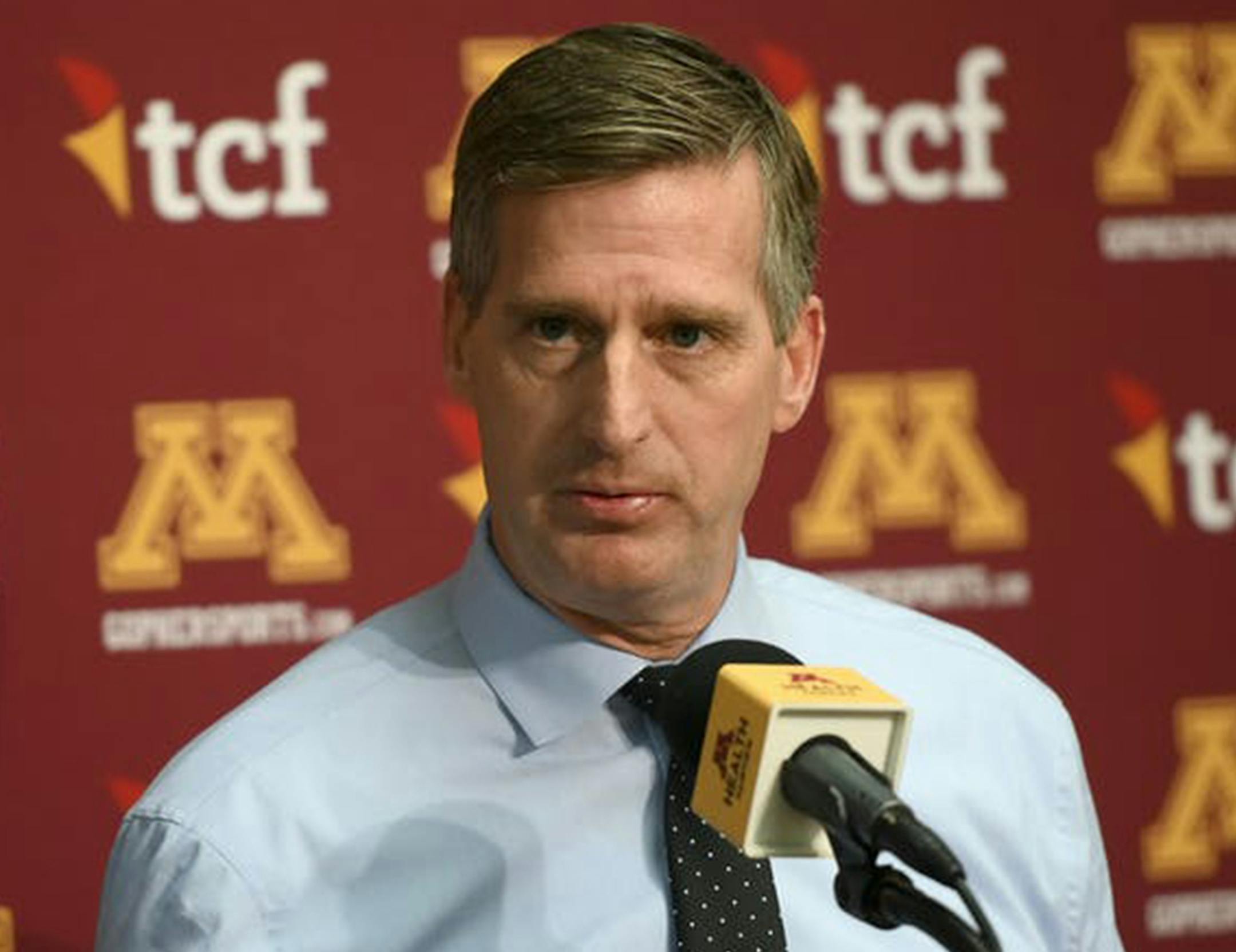
Athletic director Mark Coyle declined to sit for an interview in which he might have explained his leadership choices. Instead, he issued another written statement. As a U graduate and former athlete and coach, I view this choice as additional evidence of Coyle's inadequate leadership.
Coyle has consistently hidden behind misleading arguments about the constraints on his options. He argues that the postponement of Big Ten Conference athletic competition due to the pandemic resulted in an anticipated multimillion-dollar budget shortfall, leaving him no choice but to cut the teams. Coyle blamed the cuts on the legal requirements stipulated under Title IX of the Education Amendments of 1972, a federal civil rights policy that requires sex equity in American education.
My scholarly analysis of Title IX and the previous decade of equity practices at the U was recently published by the Humphrey School of Public Affairs Gender Policy Report. My findings raise serious concerns about the transparency of Coyle's argument.
Coyle's choice to pit men's teams against women's teams obscures longstanding inequities that favor men, both in athletic opportunities and financial support. It suggests a less than full commitment to comprehensive gender equity in Gopher athletics.
Although Title IX does not specifically prohibit unequal spending, leadership has allowed investment in men's football to go unchecked over the past decade. For more than 10 years it has reported spending more money on the football team alone than all women's sports combined.
While many critics will point to the unique position of some sports in generating revenue, Title IX's protections against sex discrimination do not require athletes to "produce revenue" in order to be treated as full citizens. As a public institution that benefits from significant taxpayer funding, the U should be closely scrutinized whenever leaders make decisions which value or promote profit-seeking over nondiscrimination policy.
Coyle bypassed another opportunity to positively impact the long-term health and well-being of athletes' civil rights, even in the face of financial strife. The way these decisions are publicly discussed by athletic leadership matters. My research indicates that athletes in the Big Ten are aware of and concerned about inequitable practices within their athletic departments. Statements by leadership can either bolster accurate understanding about public policy and departmental priorities or undermine it.


