

Talk about a rocky start.
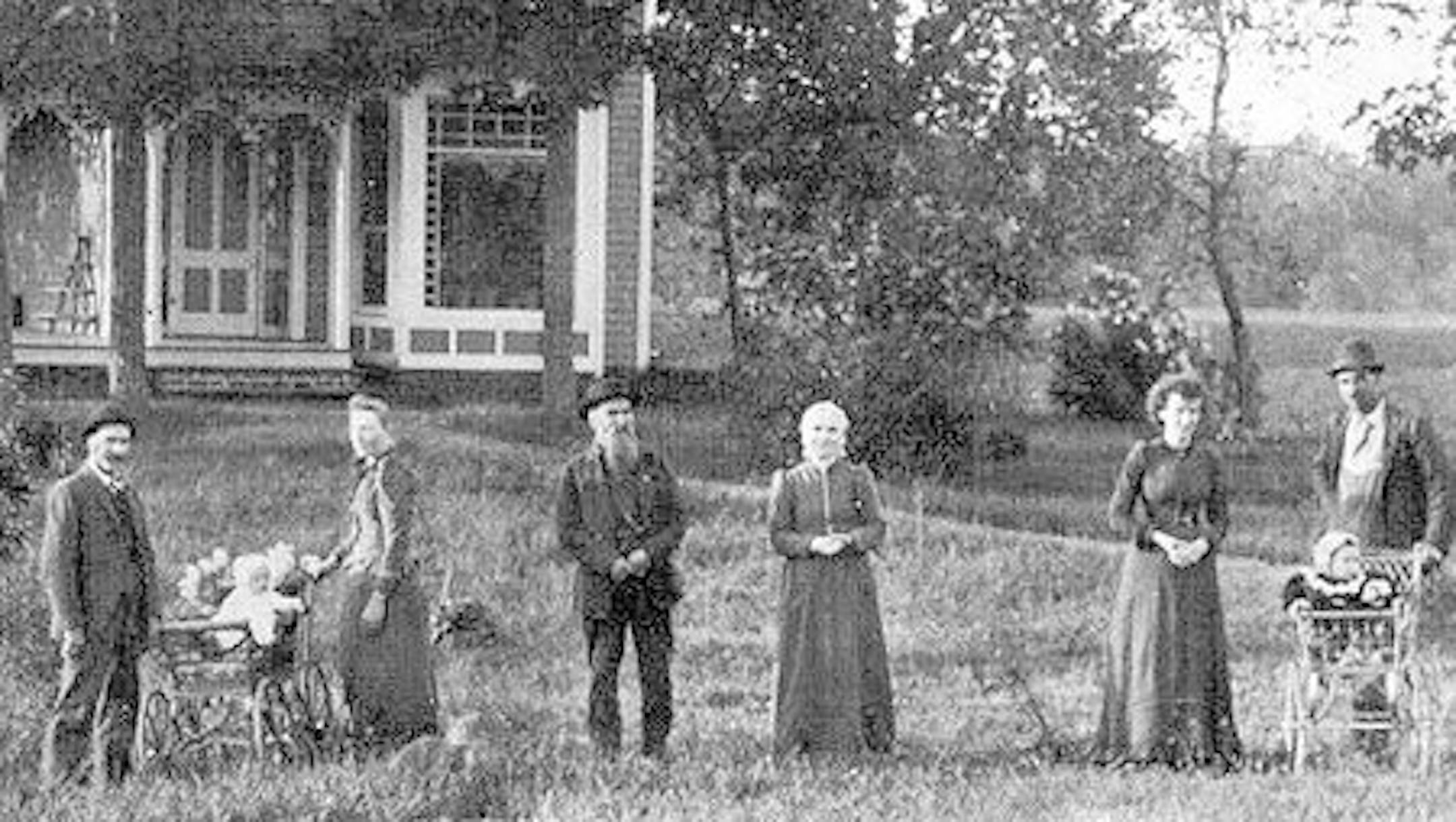
Betsey Streeter Chowen was born on a ship in the mid-1790s as her family emigrated across the Atlantic Ocean from England. She would eventually make her way to Lake Minnetonka in the early 1850s.
One of her married daughters, Sarah Shaver, cleaned fish, baked bread and cooked duck for the crew constructing the lake's first sawmill in 1853. Her other daughter, Susan Gray, sacrificed fabric she needed to sew winter clothing so she could line and soften the first casket hammered together by her carpenter husband, Amos.
Today, Grays Bay is a popular fishing and boating cove on the eastern edge of Lake Minnetonka. Odds are, few of those summertime revelers realize the bay takes its name from those early white settlers, Amos and Susan Gray.
"I'm absolutely sure they named the bay after Amos, not my great-grandmother, because the men got all the credit back then," said Constance Rosekrans, 85, a Gray descendant who grew up in Wayzata before moving to Cincinnati.
Rosekrans is among the history buffs who scanned family bibles and contributed research and family lore to a new book, "Minnesota Pioneer Women, 1840-1860." Compiled by the Lake Minnetonka chapter of the Daughters of the American Revolution, the book includes 44 sketches of early female settlers around what became Minnetonka — now Minnesota's 17th-largest city with nearly 52,000 people.
"Often stories about female ancestors are challenging to unearth," according to the book's editors, Georgetta "Gigi" Hickey and Kathleen Barrett Huston. "Documentation about women's lives tends to be scanty."
Often existing "behind their husband's names and occupations and within their households," the editors say, "they weren't famous and didn't perform heroic deeds. But their work was integral to … establish new frontiers."


