

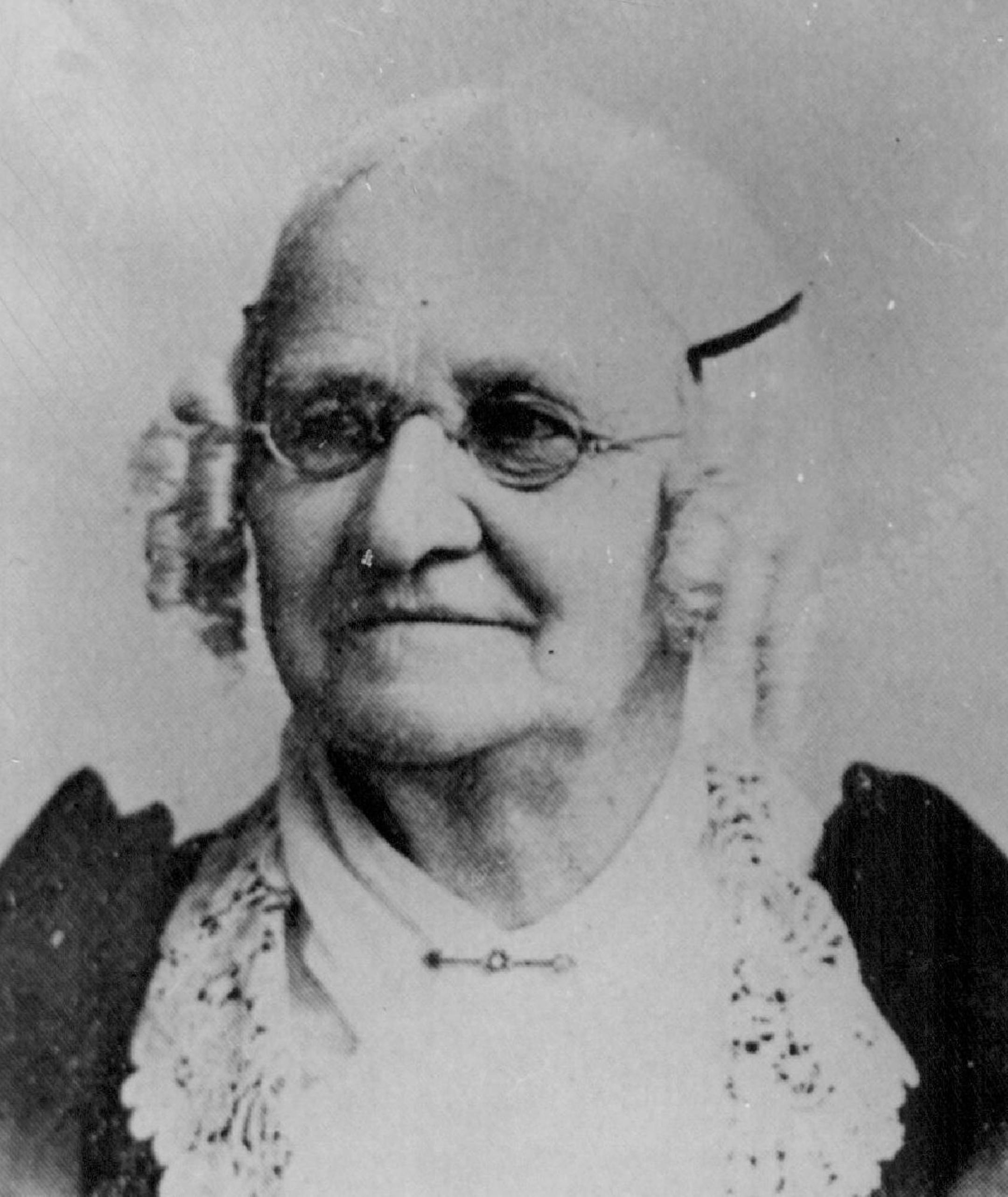
As a young girl, she saw the first steamboat churn up the Mississippi River to Fort Snelling in 1823. More than 40 years later, she heard the shrill hoot of the first train chugging past the fort. One of her last trips to the fort was by car, shortly before she died in 1907 at the age of 87.
Along the way, Charlotte Clark Van Cleve became the first woman elected to the Minneapolis school board, rose to national prominence in the suffrage movement and started a home for so-called "fallen women," mostly unwed mothers and prostitutes.
But of all the things she saw and did, nothing was a bigger surprise than simply surviving infancy.
Her father, Lt. Nathan Clark, brought his pregnant wife (also named Charlotte) and their firstborn son along when the government ordered his Fifth Infantry Regiment to trek from Detroit to build a fort at the confluence of the Mississippi and Minnesota rivers.
They stopped, exhausted, at Fort Crawford, a rough-and-tumble outpost near the settlement of Prairie du Chien, Wis.
Charlotte was born there on July 1, 1819. Officers took note of her birthplace by giving her the middle name Ouisconsin, an early spelling for Wisconsin. Meanwhile, they faced leaking pork barrels and flour so damp it was caked with mold.
"There was no choice between this wretched fare and starvation … It is difficult to realize how my mother endured her hardships," Van Cleve wrote in her 1888 memoir. Throw in the fever that "seized" her mother and brother, she wrote, and a drunken army surgeon, and "it would seem almost beyond belief" that they survived.
Sucking on a rag dipped in flour and water for nourishment, the baby was taken on the expedition as it crawled up the Mississippi, poling flat-bottomed boats to traverse the final 300 miles to what would become Fort Snelling.


