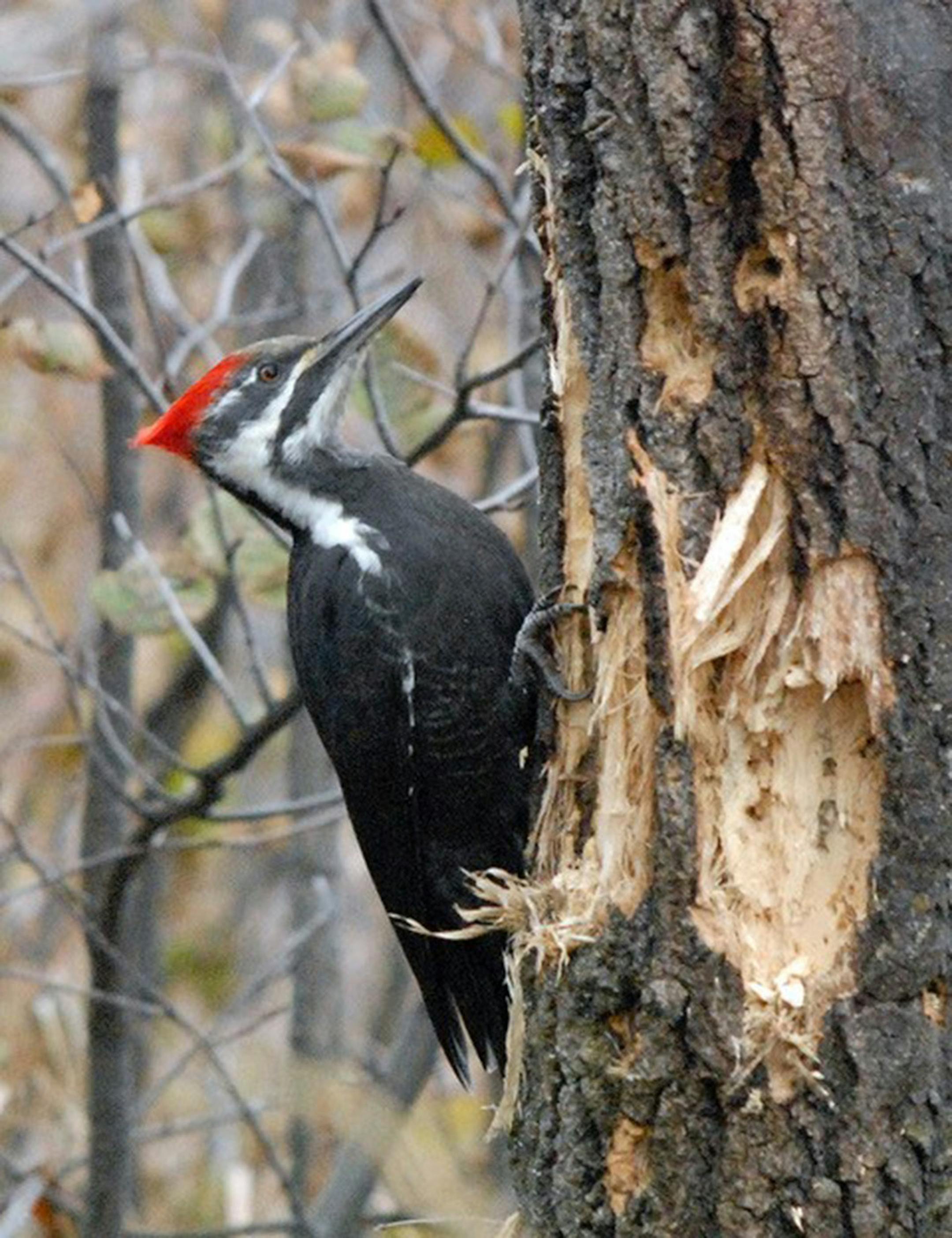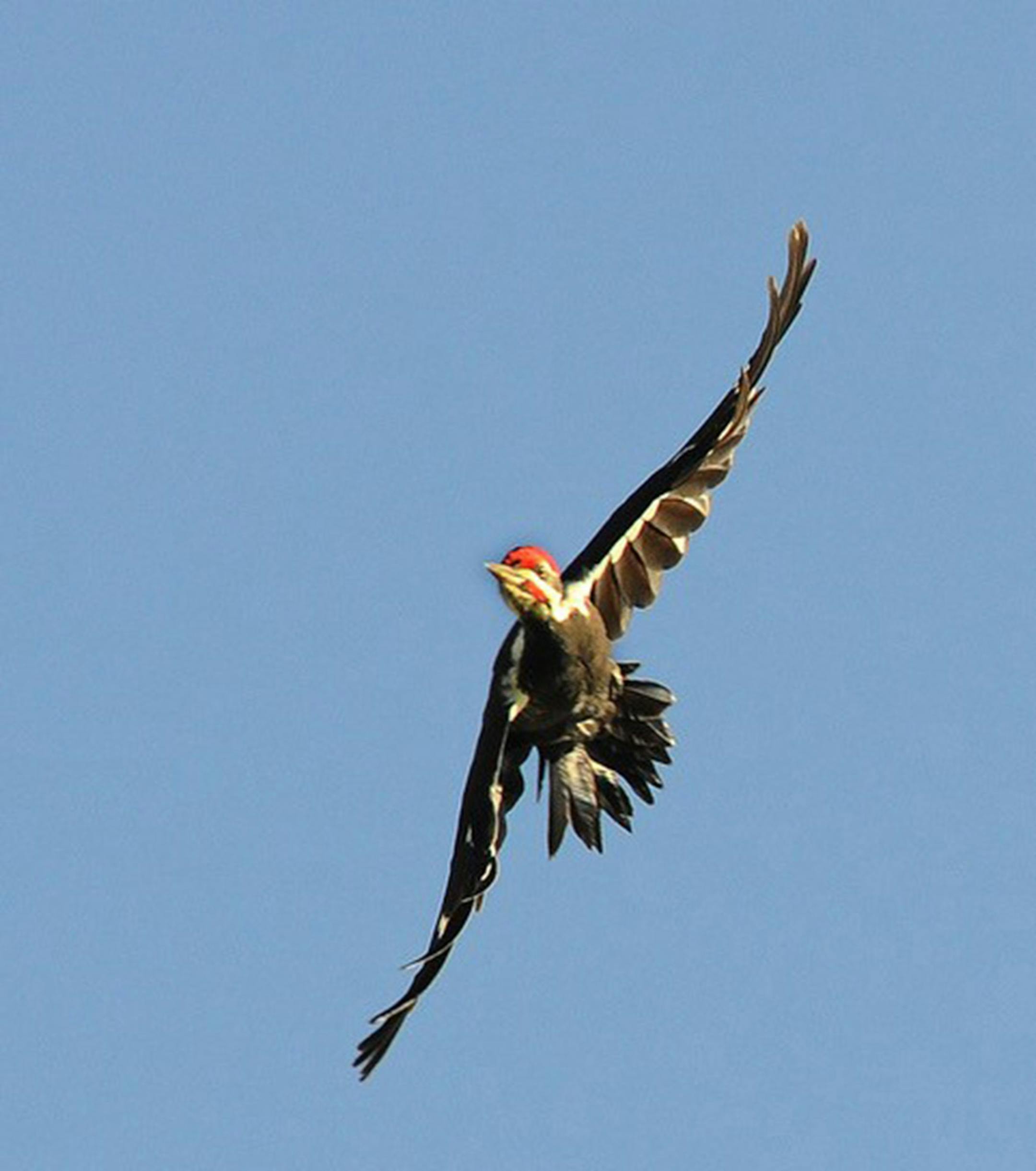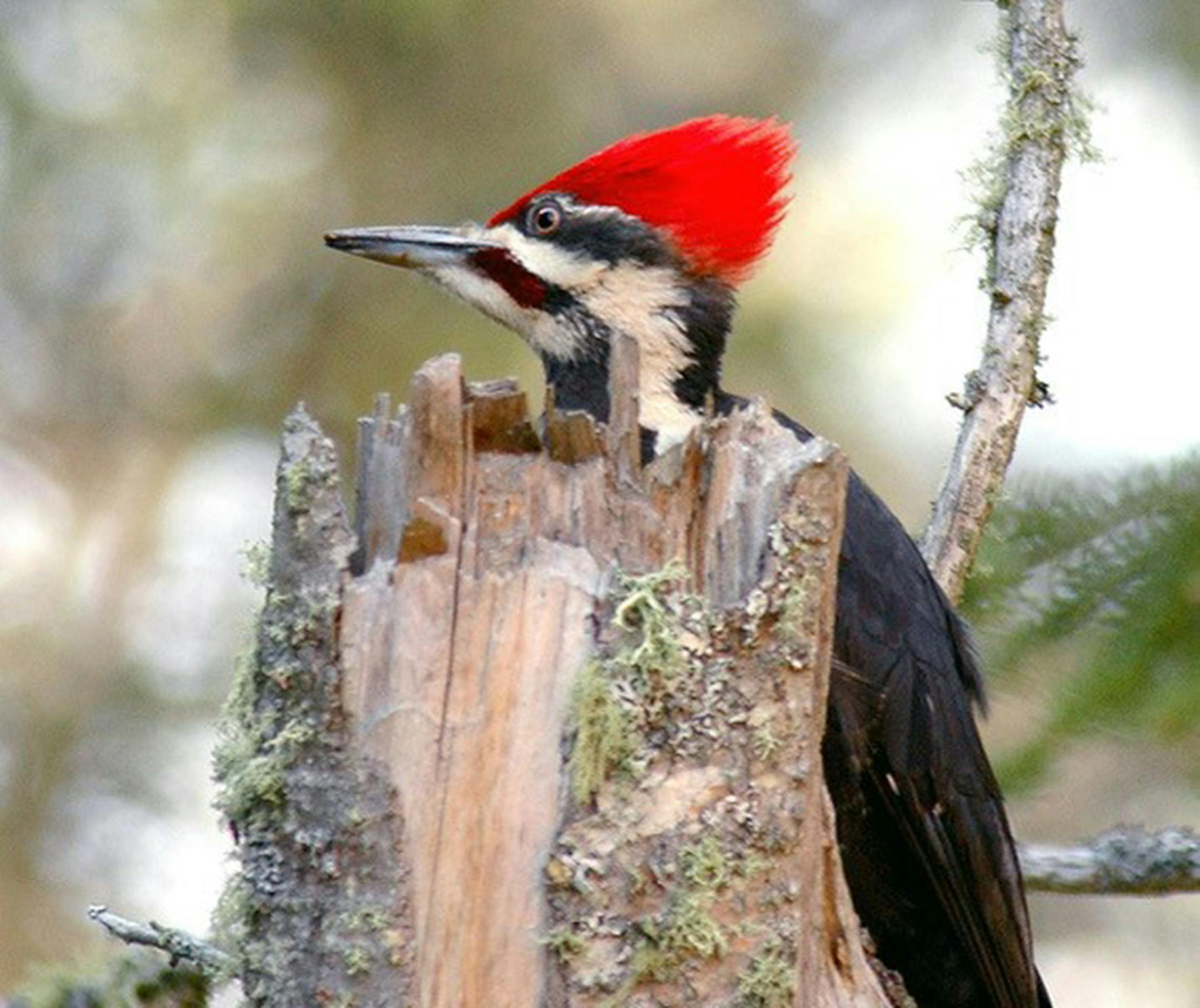
Q: For the past several winters I've enjoyed a pair of pileated woodpeckers coming to our suet feeder, but this year I almost never see them. I have other woodpeckers but wonder why the pileateds stopped coming.
A: I wouldn't worry about not seeing those big woodpeckers for some weeks. In my experience pileated woodpeckers are roamers, here one week and gone the next. They probably found other sources of food that satisfies them for a time, but I'll bet they'll be back soon.
Cleanup crows
Q: I've been using snap traps in the garage and placing mouse carcasses out back. These always disappear but it was a mystery to me about what took them, until today: I watched as a pair of crows flew into a nearby tree, then flew down and each took a mouse. One crow stayed on the ground and ate there, while the other flew off with its catch. I hadn't known crows would do this.
A: I'll bet those crows were very happy to discover the results of your trapping program. Crows will eat just about anything, and freshly killed mice are a step up from frequent roadkill meals. This is a great example of what a good recycler Mother Nature is.
A red crowd
Q: Large numbers of cardinals show up around my feeders on a fairly regular basis — sometimes there'll be as many as 15 birds out back. I hadn't seen this before and wonder if it's common.
A: Yes, it's not unusual for cardinals to gather in numbers at feeders during the winter. Other readers report as many as 24, even 36 cardinals foraging under bird feeders just before dark.
At this time of year the birds feel no need to defend territories, so the sight of a few red birds brings in others. Since cardinals are able to see even at low light levels, they're often the last birds out there as night falls. Watch for this dynamic to change as spring approaches and hormonal changes make cardinals much more aggressive toward one another as they set up breeding territories.
Seeds without shells
Q: I live in an apartment building and the manager insists that anyone who has feeders must use seeds with no shells. I've read that black oiler sunflower seeds are birds' favorite, so I need to know whether those "sunflower hearts" are the same as black oilers.