If there were a contest for accurately named restaurants, Piccolo might take the top prize.
The word is Italian for small, and size, or lack thereof, is the leitmotif that runs through nearly every aspect of this exceptional new south Minneapolis restaurant. The bantam-weight numbers speak loud and clear: Thirty-six seats. Sixteen menu items. A top price of $14. Thirty-dollar-and-under wine prices. A staff of 12.
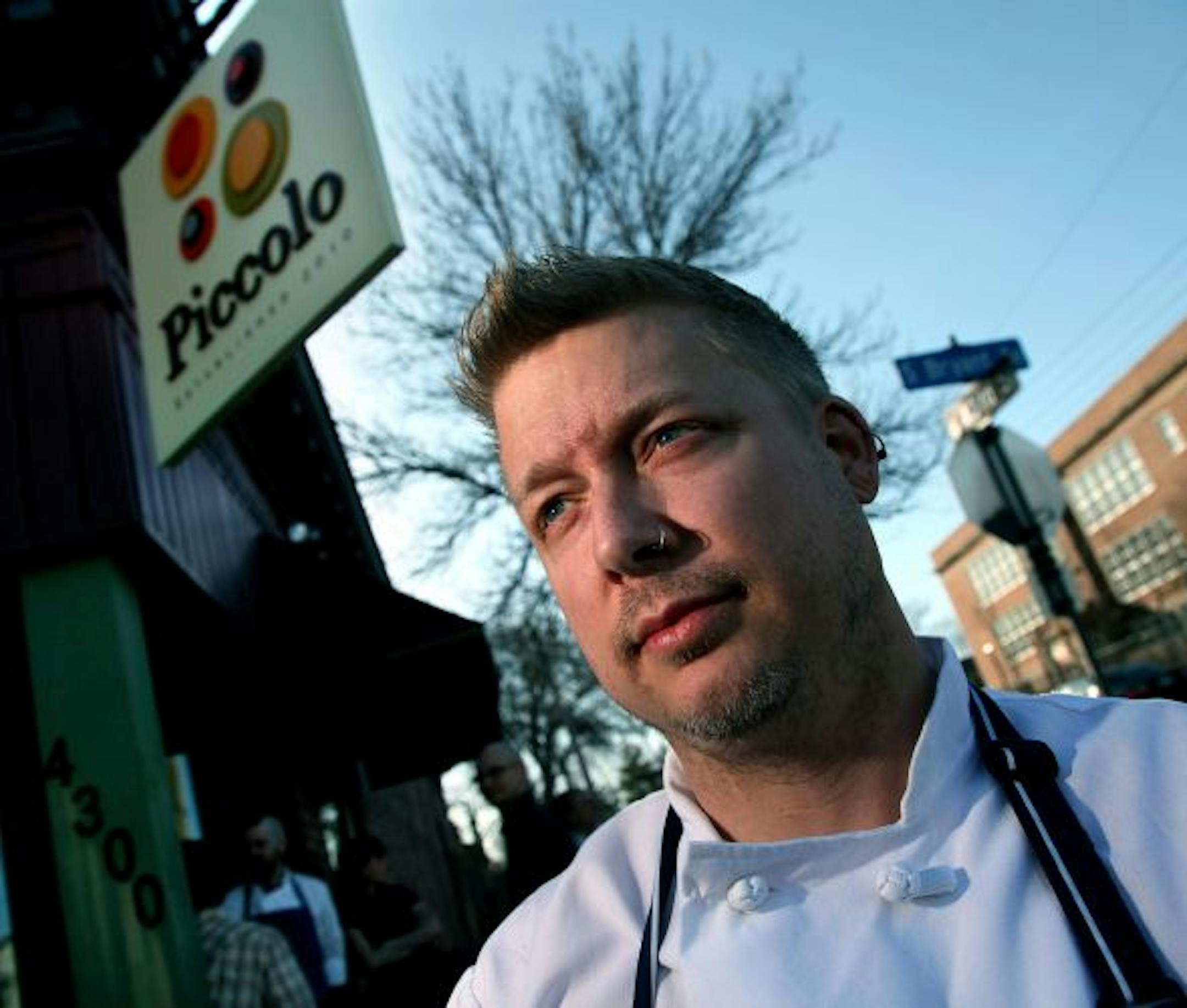
The exception to the "small" rule is chef/co-owner Doug Flicker's talent and his ambitions. Both are big. Huge, even. Not that he's shoehorning himself into a matchbox. This isn't the culinary equivalent of watching "Lawrence of Arabia" on an iPhone. Piccolo may be a small stage, but it's an appropriately intimate venue for enjoying some colossal flavors.
In the three years since he pulled the plug on his much-loved Auriga, Flicker has been channeling his singular culinary gifts into venues not his own: Mission American Kitchen, Porter & Frye, D'Amico Kitchen. Now that he's his own boss again -- sharing the ownership duties with a former Auriga partner, Jim Andrus -- it's obvious that Flicker has used his exile from self-employment to carefully consider what's important to him.
Sustainably minded Piccolo reflects those values, and while Flicker's challenges to the restaurant world's status quo feel more incremental than radical, first-time diners will be doing themselves a favor by adapting an attitude adjustment when making a reservation (which, by the way, is a must; it may look like a drop-in neighborhood restaurant on the outside, but Piccolo has been inundated with Yelpers since Day 1).
Don't expect to encounter a 50-ounce bone-in rib-eye -- to date, the menu's sole beef selection has been tripe, another signal that Piccolo is so far removed from meat-and-potatoes Minnesota that it practically deserves its own area code.
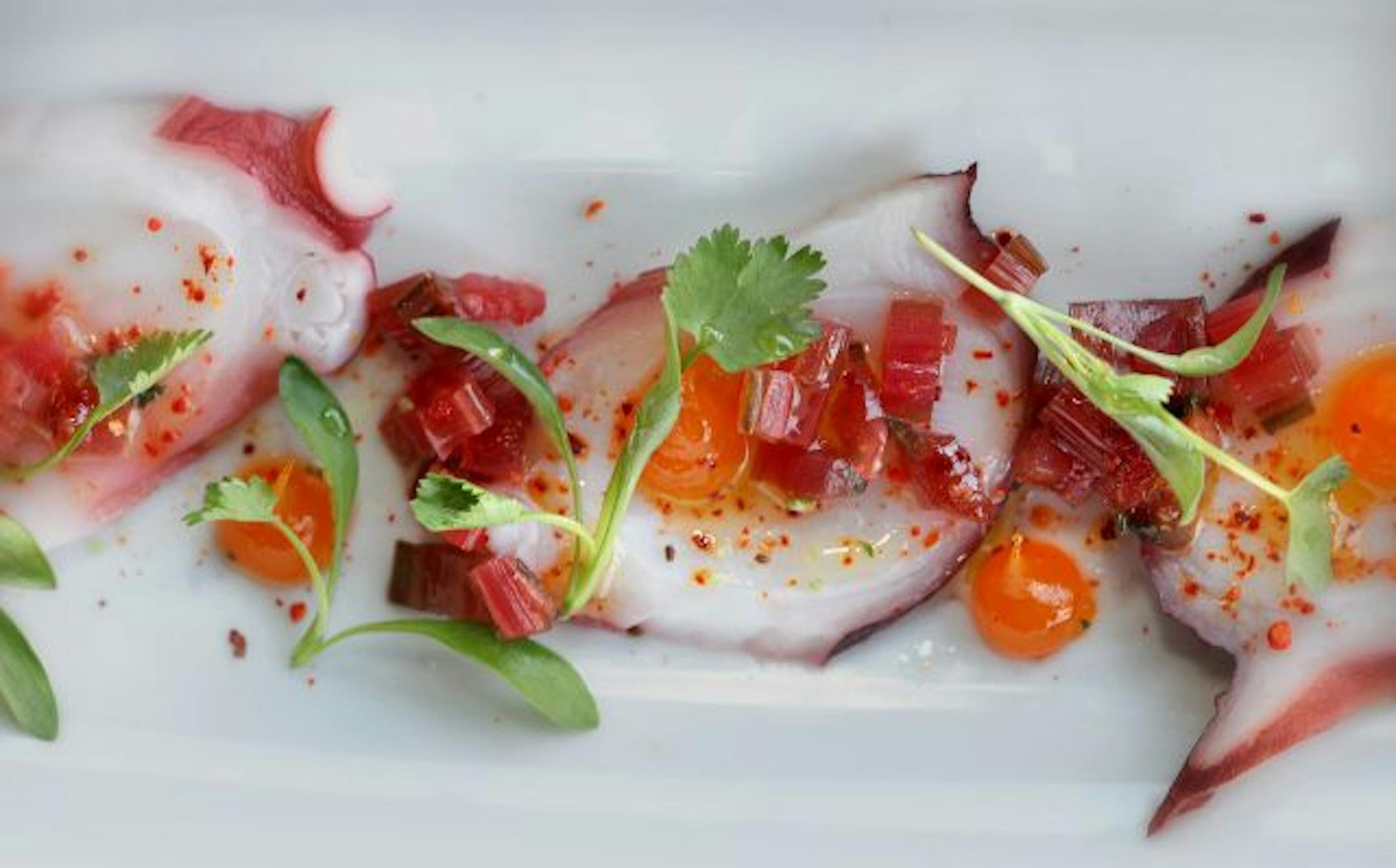
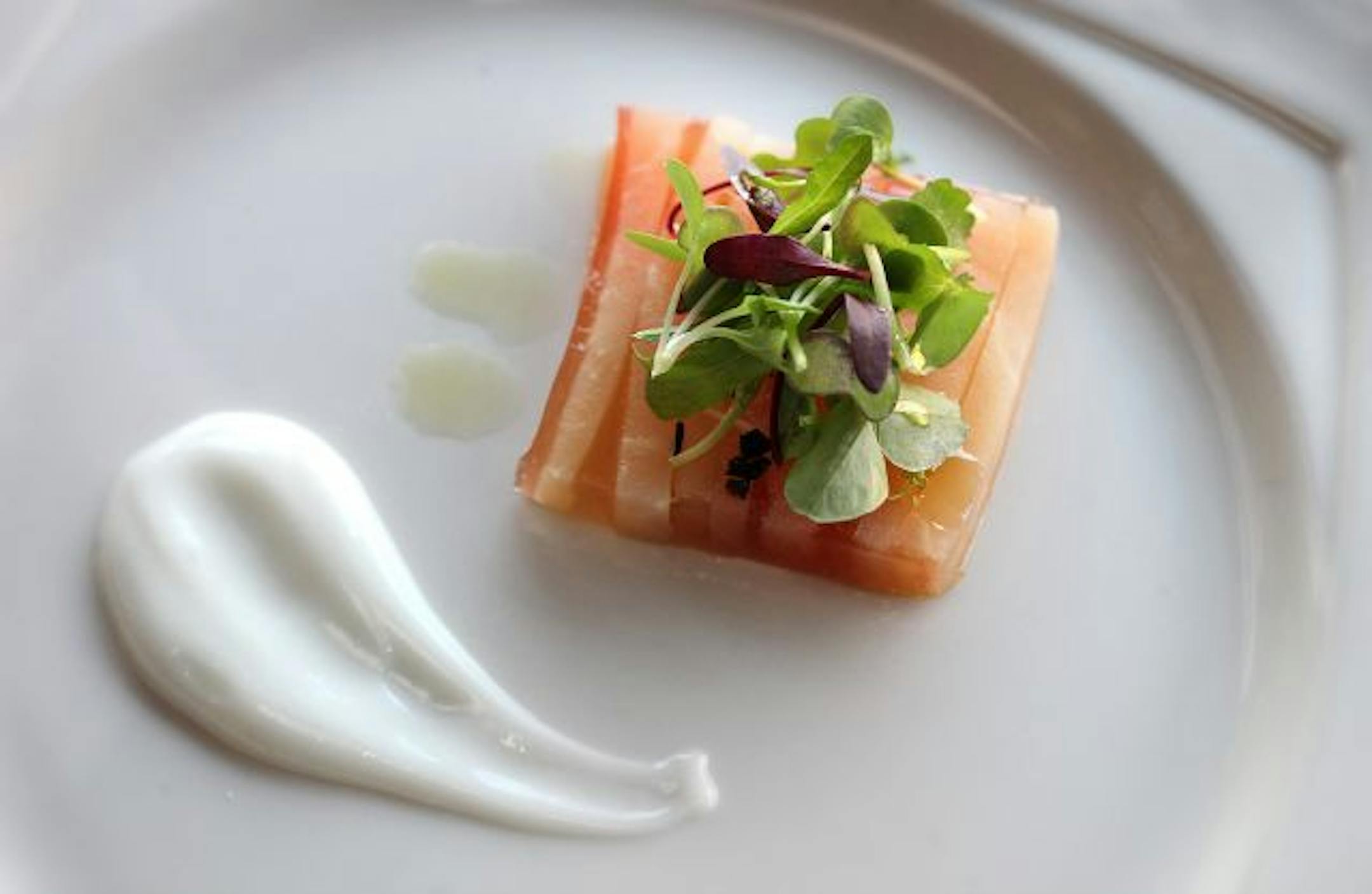
Nor should you expect some other Metrodome-sized protein surrounded by side dishes (this is definitely a no-doggie-bag zone). Instead, the menu is a graduated series of exquisitely rendered, modestly portioned plates. Taken in concert, they become a do-it-yourself tasting menu, with diners determining the number of dishes that their appetite -- and budget -- allow.
"I hesitate to say that two courses would constitute a meal," explained a server, a sentiment with which I am in complete agreement. "That said, some industry people order the entire menu, and I think that's just plain silly." His suggestion: Four or five, including dessert. That sounds about right, although I'm partial to indulging in the whole 16-course enchilada. Although they're measured in bites, portions aren't so minuscule that they can't be effectively shared. A run-of-the-menu meal tops out at roughly $150, which, when split between two diners, is a competitive price in the degustation world.