

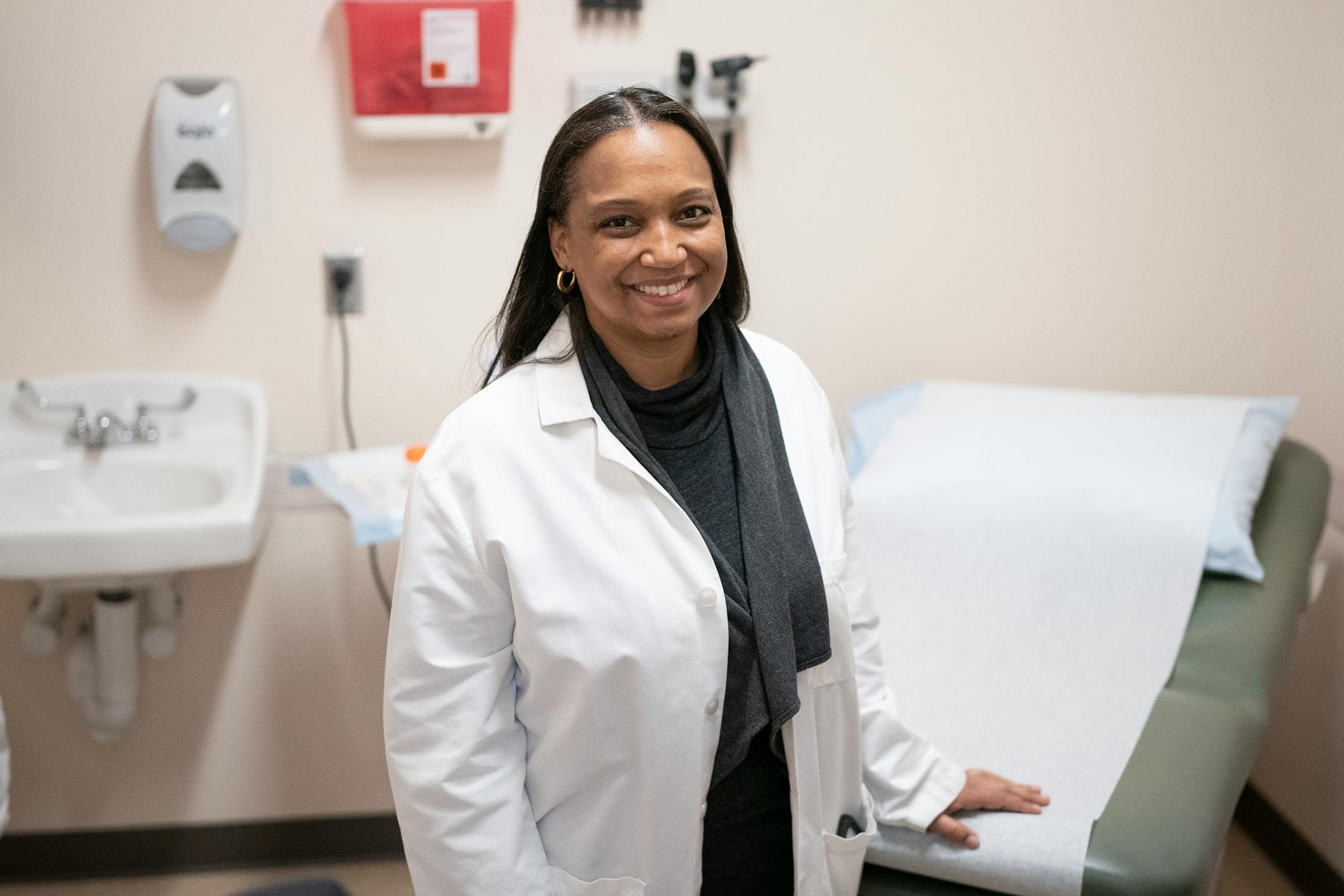
As a child in Richmond, Va., Dr. Brooke Cunningham noticed racial disparities early on.
In a predominantly white community, she and the handful of other Black students in her class were placed in the same reading group. Other Black students were bused home to other communities when the school day ended at 3:00. Cunningham wondered what these differences meant for people of color.
A lifetime of seeking answers has led Cunningham to the position of assistant commissioner in the Minnesota Department of Health (MDH) where she oversees the department's new Health Equity Bureau. Launched last month, the bureau will lead the department's health equity initiatives and solicit community input on those efforts.
The bureau also houses existing MDH equity units including the Center for Health Equity, the new Office of American Indian Health, the COVID-19 Health Equity team and Diversity, Equity and Inclusion.
"This is validation of the importance of equity to the core of public health and a reflection of the two years that we've come out of with the pandemic where people could not, with this at their doorstep, ignore the [health] disparities that we've been seeing," Cunningham said.
People of color experience higher rates of infant mortality, obesity, diabetes, hypertension, asthma and heart disease compared with their white counterparts. Some of Cunningham's patients can't afford insulin or other medications with high copays, while others experience homelessness.
As a primary care provider, sociologist and assistant professor in the Department of Family Medicine and Community Health at the University of Minnesota, Cunningham has years of experience working with communities of color. She received her medical degree and a doctorate in sociology from the University of Pennsylvania. She has lived in Minneapolis since 2013 and moved to the city after completing postdoctoral fellowships in general internal medicine and bioethics/health policy at Johns Hopkins University. She's also a mom of one.
Her primary care practice at Community-University Health Care Center (CUHCC) in the Phillips neighborhood serves a diverse patient population. Cunningham's patients are lower-income uninsured or underinsured people who have difficulty getting time off work to visit a doctor.


