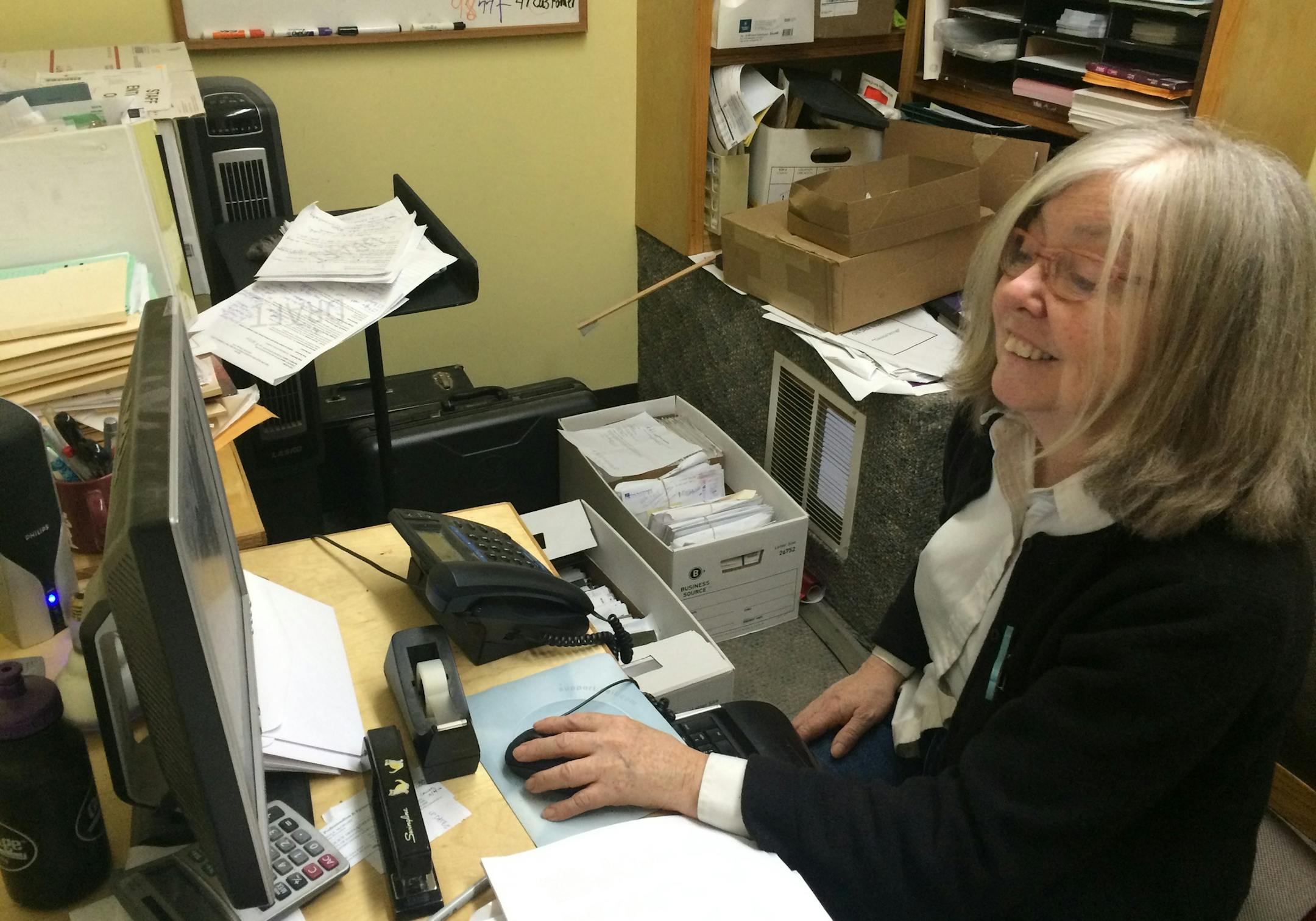
The collection letter sent to Cadenza Music in St. Paul resembled what shows up in your mailbox when you forget to pay a phone or electric bill. Except for the amount.
"Dear Nancy Vernon. This is final notice and demand for payment of your $40,091.92 debt to Intuit."
Vernon owns Cadenza Music with her husband, Eugene Monnig. The store supplies school bands and retail customers, repairs instruments and offers lessons at its 149 N. Snelling Av. storefront location.
"$40,000 is a lot of money," Vernon said. "That's a lot of piano lessons."
Cadenza Music's tussle with Intuit holds many lessons of its own — mostly about the perils of phishing scams and the hard question of who pays when fraudsters steal.
Phishing is the effort to trick individuals and businesses into giving up personal and financial information. Phishing e-mails arrive in inboxes by the millions, often with alarming subject lines saying your bank account has been hacked. Most estimates put the annual losses from phishing scams in the billions.
Cadenza Music was hit by an especially insidious attack called "spear phishing," in which these scammers gather some information about their targets to make their deceptions more convincing.
It all started with an e-mail Vernon received Oct. 20. It purported to be from Intuit, the company Cadenza Music used to handle online payments. It claimed there had been a "payment processing error" and directed Vernon to enter in her Intuit account credentials.