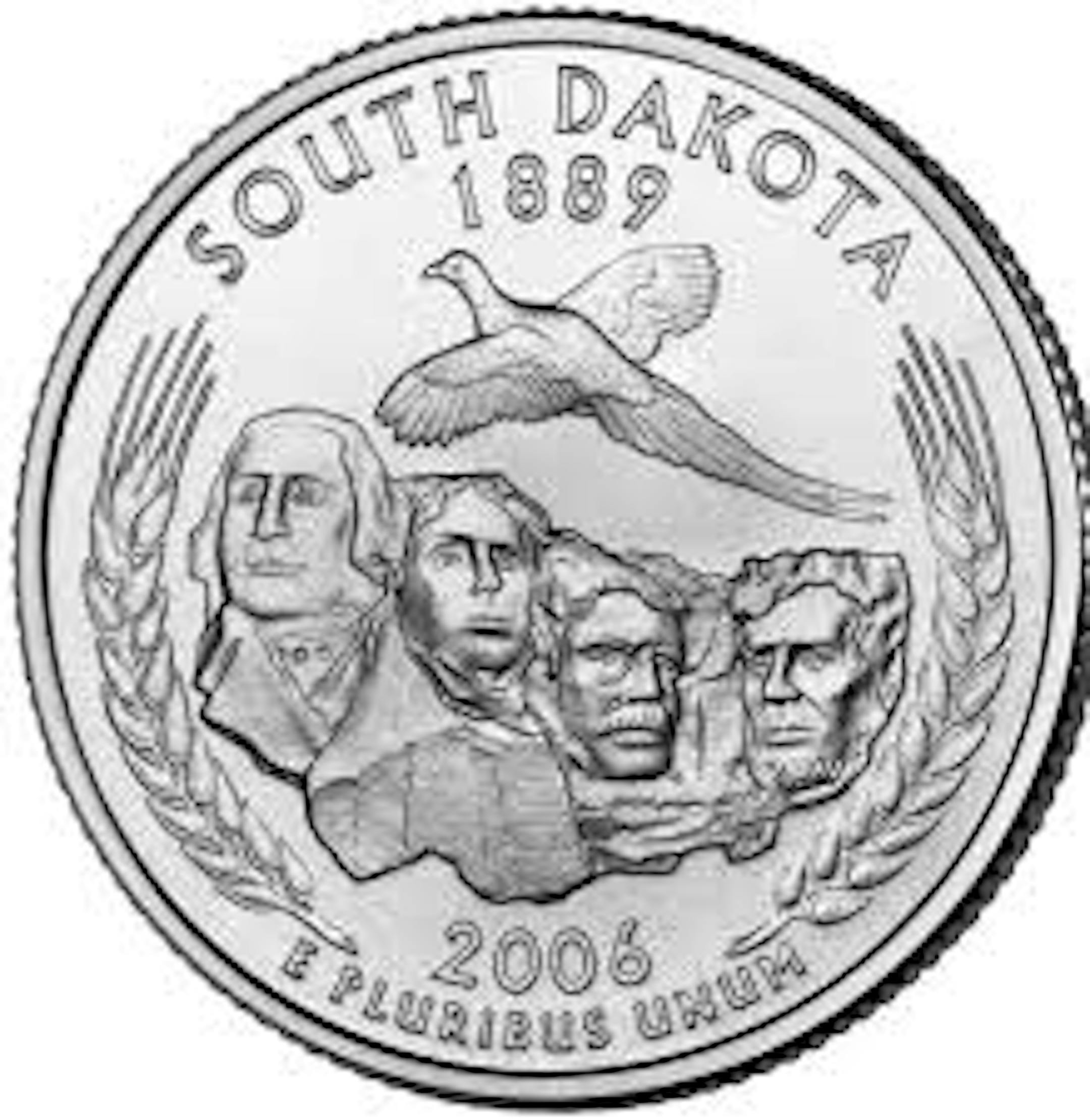
How important are pheasants and pheasant hunting to South Dakota? Just look at the state's 25-cent piece: Winging over iconic Mount Rushmore is a ring-necked pheasant — a species not even native to the state, but one long-embraced.
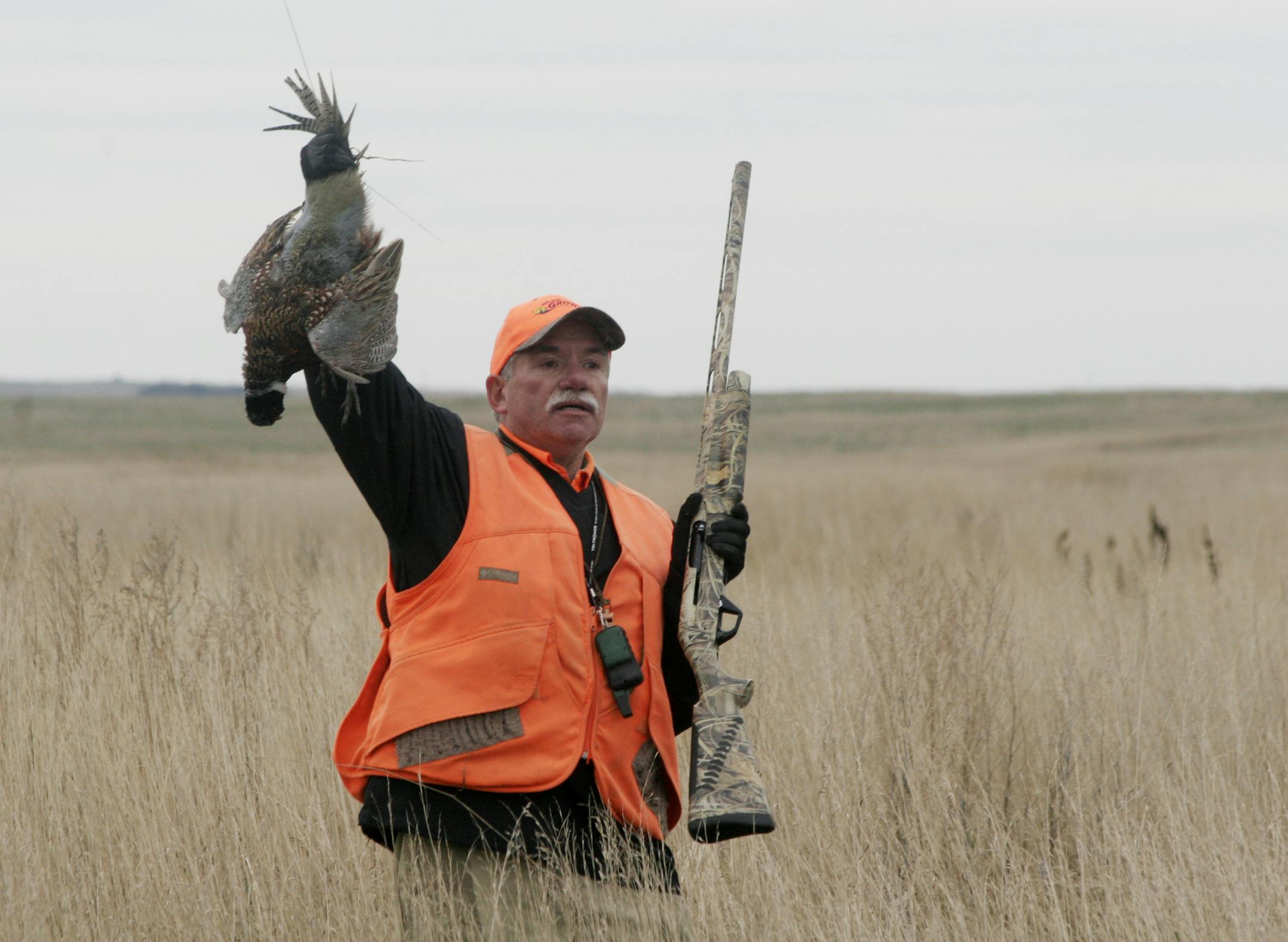
Up to 100,000 hunters from around the nation, including 20,000 from Minnesota, flock there each fall to hunt ringnecks, routinely harvesting 1.5 million or more birds, making South Dakota the Pheasant Capital of the Nation and pumping millions of dollars into the state's economy.
"Our pheasant opener is like the fishing opener in Minnesota — it's a big deal,'' said Chris Hesla, executive director of the South Dakota Wildlife Federation.
Pheasant hunting is so important that Hesla and more than 400 others skipped what would have been a frigid day of pheasant hunting on Friday and instead gathered in Huron for an unprecedented "pheasant habitat summit" called by South Dakota Gov. Dennis Daugaard in response to the state's declining wildlife habitat and plunging ringneck population. Since 1997, the state has lost more than 1 million acres of grasslands once enrolled in the federal Conservation Reserve Program (CRP). And the state's pheasant population fell 64 percent this year and is 76 percent below the 10-year average.
Now South Dakota state officials, business owners, conservation groups and hunters worry that their state is starting down the slippery slope that battered Iowa. There, hunters once killed 1 million pheasants a season, but loss of habitat and poor weather has reduced the harvest to one-tenth of that.
South Dakota's situation hasn't gone unnoticed by hunters: The state has sold 20,000 fewer nonresident hunting licenses and 7,000 fewer resident licenses this season, resulting in a $2.75 million loss of revenue for the Game, Fish and Parks Department.
The intent of South Dakota's summit was to gather agricultural, business and wildlife interests to brainstorm about ways to save pheasant hunting in South Dakota.
"The plan was to bring a cross-section of interests together to focus on how we can do a better job of creating habitat on both private and public lands,'' said Jeff Vonk, Game, Fish and Parks Department secretary.