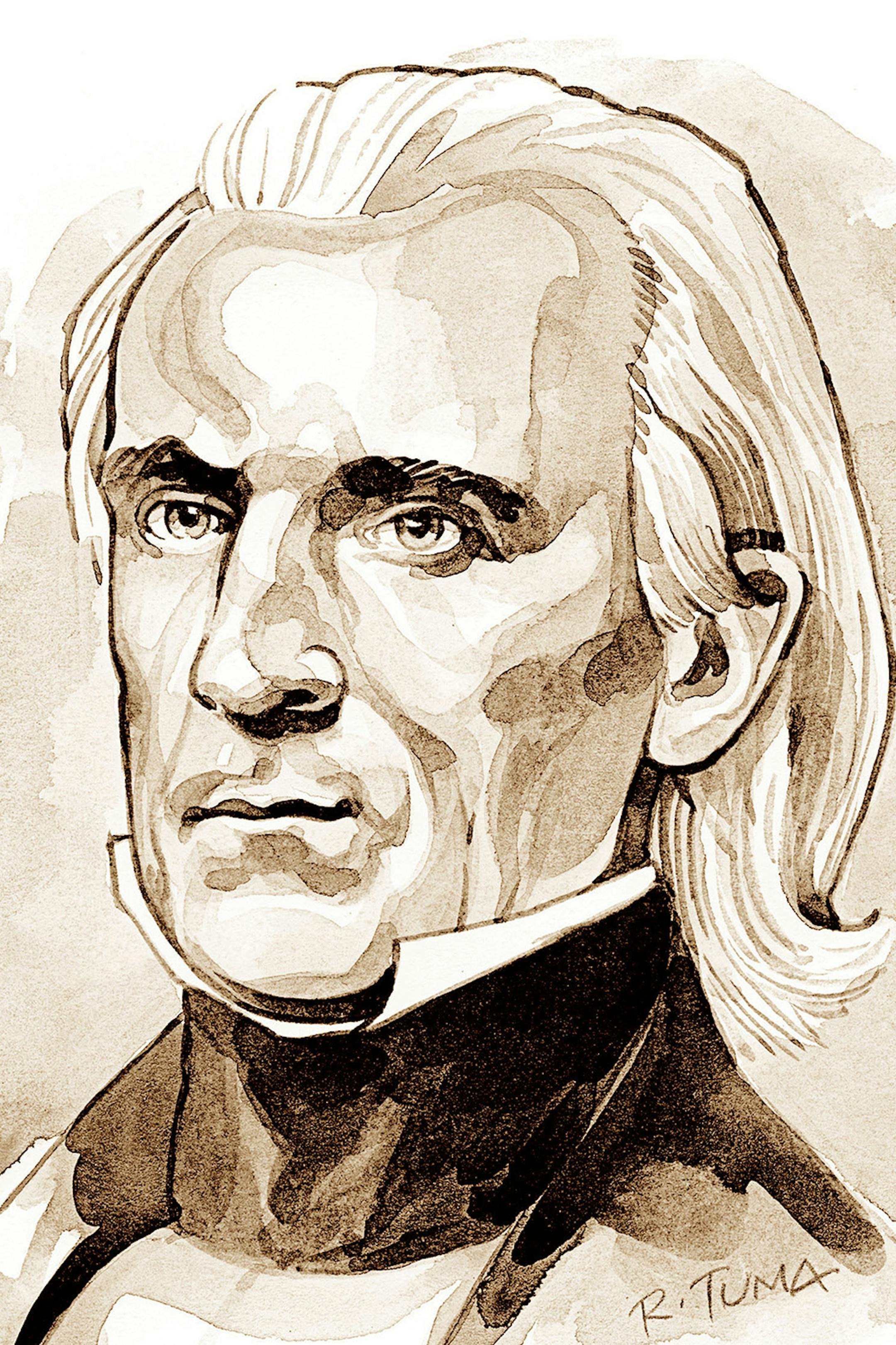
Republican presidential aspirants often hold up Ronald Reagan as a model. For Democrats, it's Franklin D. Roosevelt or John F. Kennedy. No one cites James K. Polk.
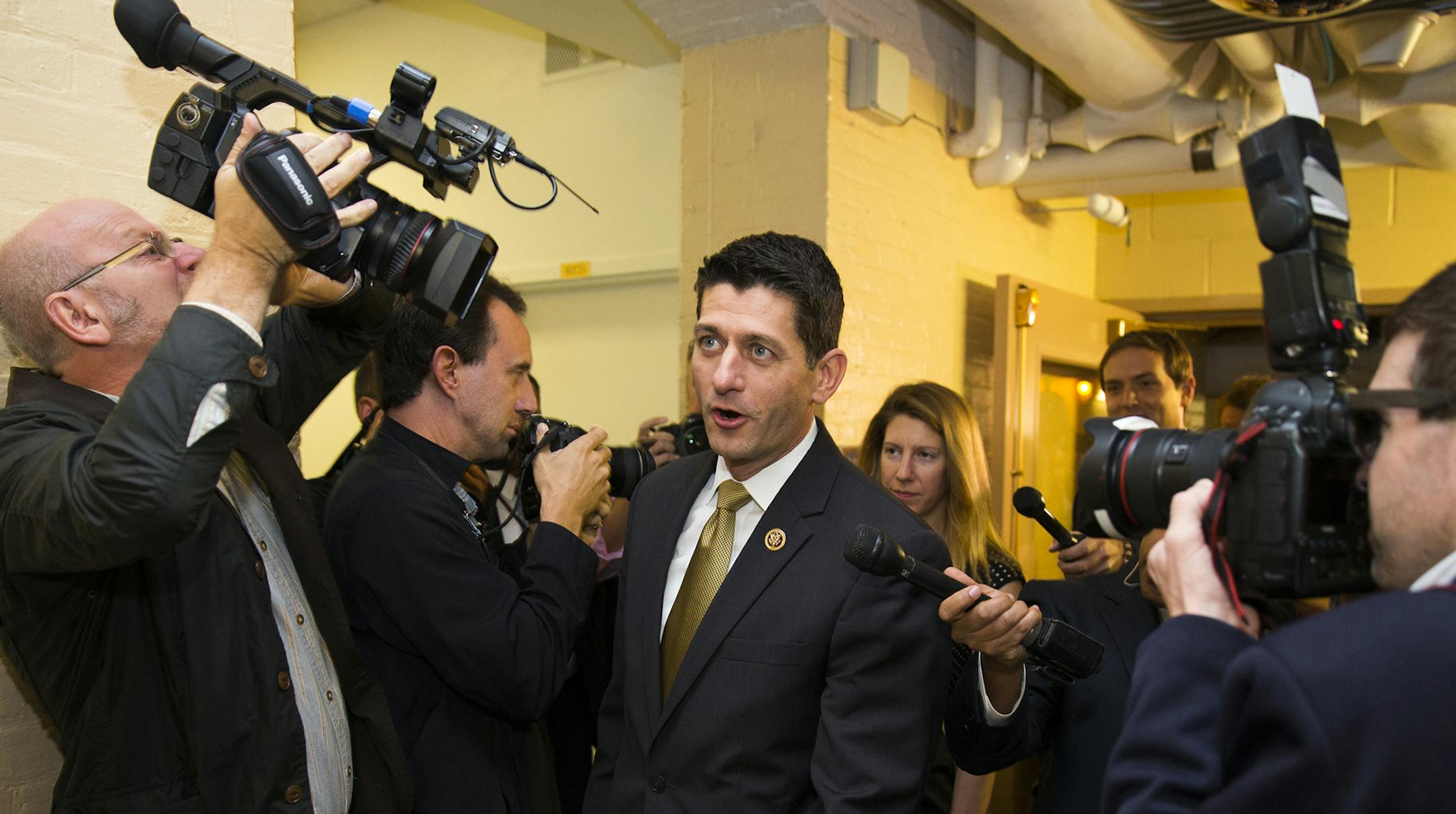
That may change if Rep. Paul Ryan of Wisconsin becomes speaker of the House. Most Republicans assume that the 45-year-old lawmaker, who was Mitt Romney's running mate in 2012, will seek the presidency someday. Only one House speaker has been elected president: Polk, in 1844.
Becoming speaker would shape any future presidential prospects for Ryan, who announced Tuesday evening that he would be willing to seek the job if Republicans made a commitment to unify behind him. "This is not a job I've ever wanted," he said, adding that he wanted an answer from fellow Republicans by the end of the week.
Former Minnesota Republican congressman Vin Weber, a longtime friend of Ryan's, said that despite the singular record of speakers who became president, taking the post would "enhance" Ryan's White House prospects: "How many presidents have been elected from the Ways and Means Committee?"
As speaker, Ryan would be the dominant figure in the party. If he is able to forge and maintain a semblance of unity in the unruly House Republican caucus, it would be a real achievement.
Yet if he is forced to tilt further right to achieve that goal, it might pose more problems for any subsequent national run.
And if a Speaker Ryan ended up suffering the same fate as John Boehner — simply unable to manage the disparate party elements in the House — the job might even be a disqualifier for future ambitions.
Much, however, would depend on which party occupies the White House after 2016. If a Speaker Ryan is credited with securing passage of a Republican president's agenda, and helping to shape it, it would be a strong calling card, say, in 2024 when Ryan will be 54, the same age as Barack Obama today.