It's an unsettling and expensive trend.
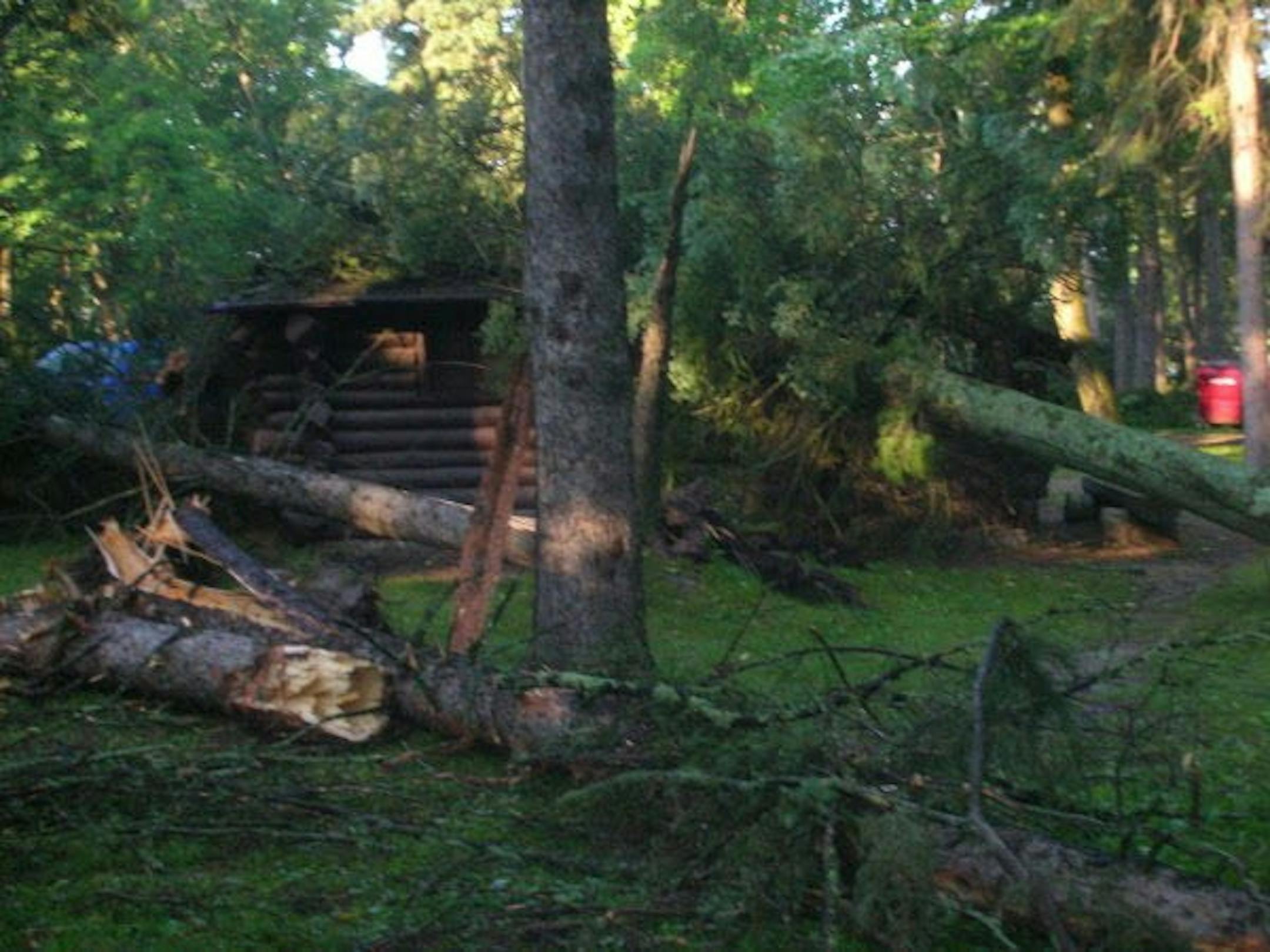
Floodwaters caused $4 million in damage to Whitewater State Park in 2007. High winds flattened more than 7,000 acres of trees and wrecked buildings at St. Croix State Park in 2011. Another massive flood last month hammered Jay Cooke State Park and the adjacent Willard Munger State Trail. And last week, 80-miles-per-hour winds damaged Itasca State Park and LaSalle Lake State Recreation Area.
"It's certainly an unusual pattern," said Courtland Nelson, Department of Natural Resources parks and trails director. "It's the second year in a row to have epic storms come through [and damage parks]. The most important thing is we haven't had anyone hurt. It's just astounding."
Officials don't have damage estimates from this summer's storms, but they say it will cost millions of dollars. Now they have to figure out how to pay for it.
Federal disaster aid is likely to pay for 75 percent of some projects. A special legislative session this summer to consider aid for northeastern Minnesota infrastructure will include requests for money for the Department of Natural Resources, said DNR Commissioner Tom Landwehr. And the DNR may be going hat-in-hand to the Legislature next session, too, for repair dollars.
One of the biggest DNR projects will be repairs at Jay Cooke, where an iconic 1930s-era swinging footbridge was destroyed and where the Munger trail -- a popular paved bike route -- was severely damaged between Carlton and Duluth.
Nelson said the trail alone will cost millions to repair. "It's very steep, and it's 25 years old. We had at least 10 major culvert failures," he said. The last single culvert failure cost $1 million to repair.
"We'll have to go to the Legislature for funds," Nelson said. He said there's virtually no chance the DNR would abandon that stretch of trail because of the high price tag.