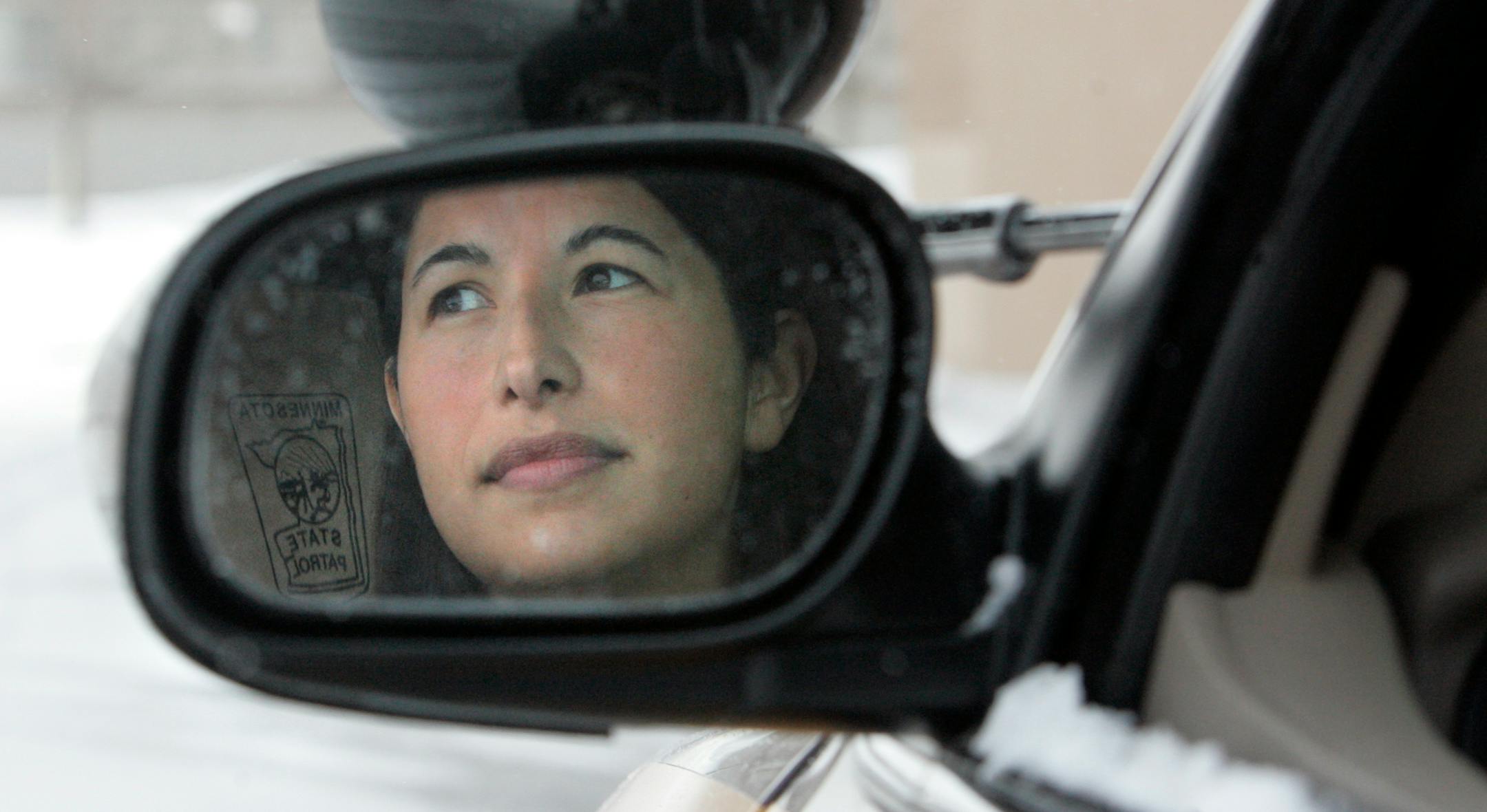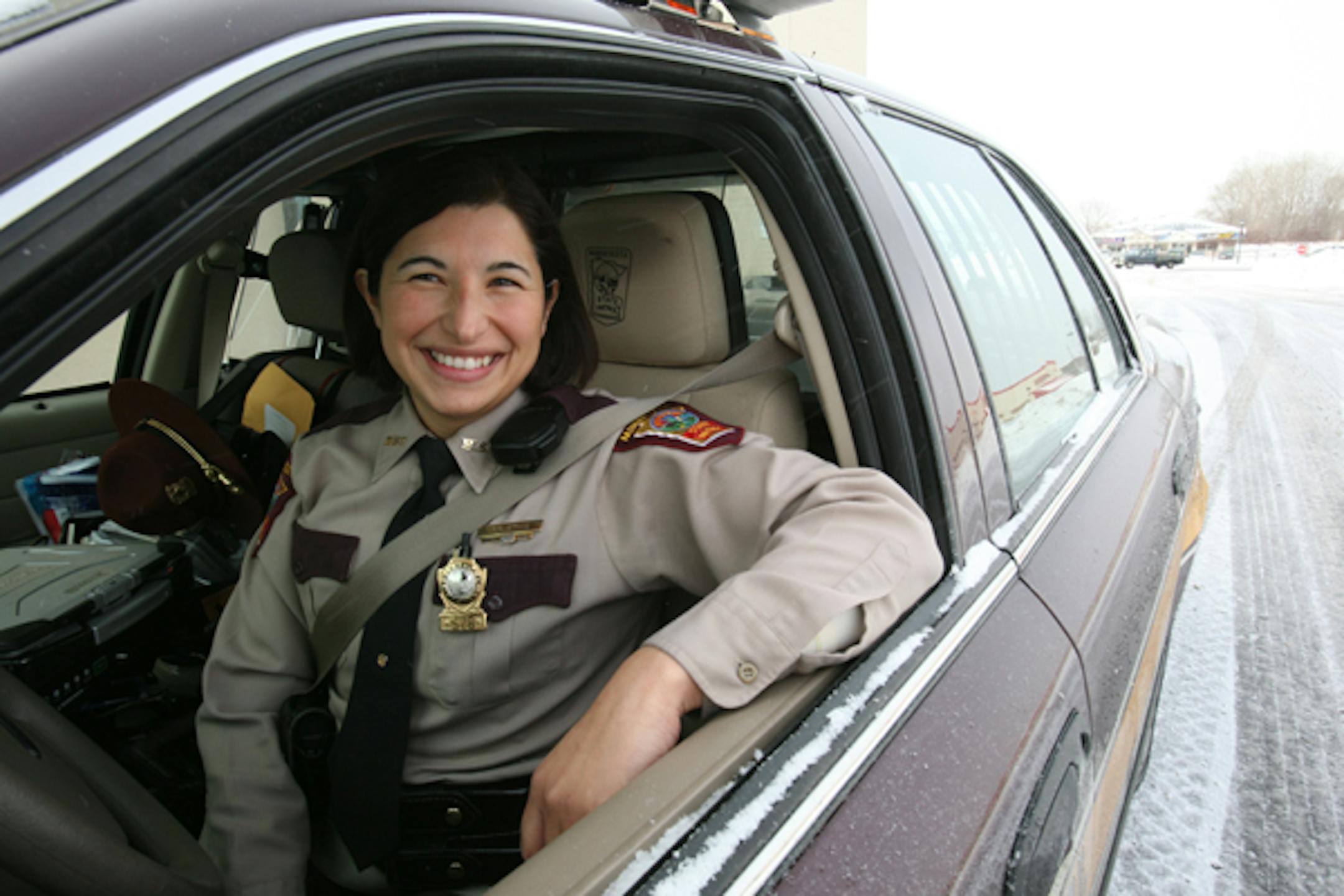
For nearly six years, Pilar Stone has been a Minnesota state trooper, a graduate of a program she describes as "hell for six months," and yet, still, she hears the digs, she says. She is just a traffic cop, police-officer friends will tell her. It's a joke, Stone said, and she accepts it as such, because "they know when we are needed that we will be there."
"We are proud of the maroon," she said, referring to the trim on her uniform.
But perceptions that they are "real police" on the one hand and traffic enforcers on the other makes minority recruiting tough, said Col. Mark Dunaski, chief of the State Patrol, who acknowledges "a problem recruiting diversity."
Of the State Patrol's 545 sworn personnel, 67 members, or 12 percent, come from minority groups. Pare that to racial minorities, and it is 19 people, or just 3 percent.
The agency has tried several strategies in recent years to bolster its minority ranks, and this year it plans another: offering positions to people with two-year and four-year degrees outside of criminal justice and law enforcement.
The idea expands on a federally funded program earlier this decade that was tailored to four-year-degree recipients; in 2002 it attracted Stone, who is Hispanic. Though she had a law-enforcement degree, Stone recalled that one classmate was a music major.
Lt. Col. Kevin Daly said that the State Patrol also will continue a break with tradition begun last year whereby candidates are given conditional guarantees up-front saying where in the state they will be assigned in the state. For instance, of potential Southeast Asian candidates with Twin Cities roots, Dunaski said: "Why would we send them to International Falls?"
Advertising for the new positions begins this Sunday, Daly said. But whether the plan comes to full fruition also will depend upon approval of a new state transportation funding bill, Dunaski said. A proposal put forward in the state Senate last week would add 40 new troopers, he said, enough for a dual-track hiring program including both the nontraditional candidates and people with criminal justice and law-enforcement degrees.